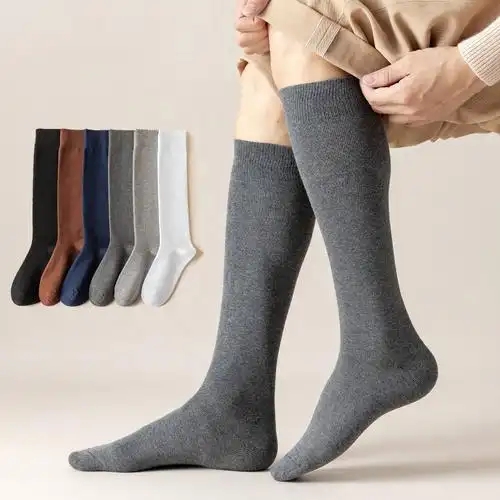
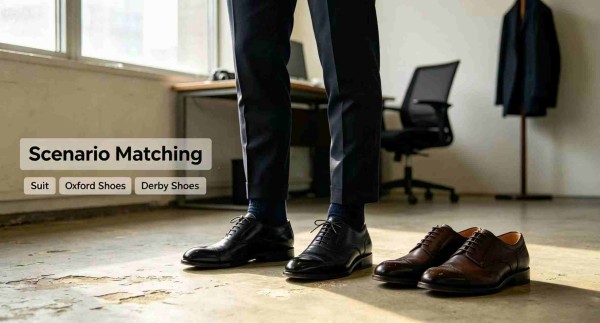
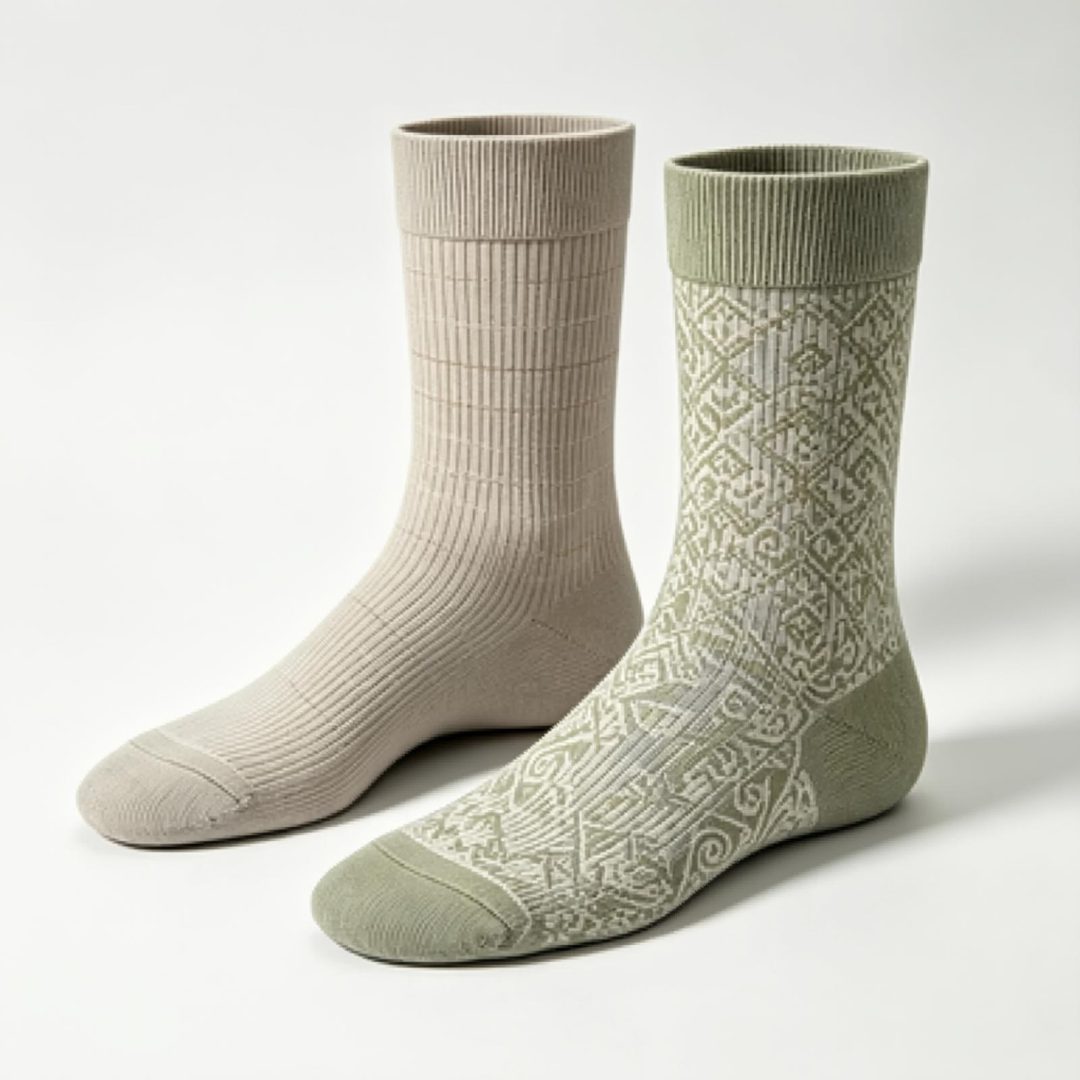
custom suit socks is better understood as a specification range than as a product. What you receive depends almost entirely on what you write down first. This guide goes through the numbers worth confirming before you contact anyone, starting with custom suit socks.
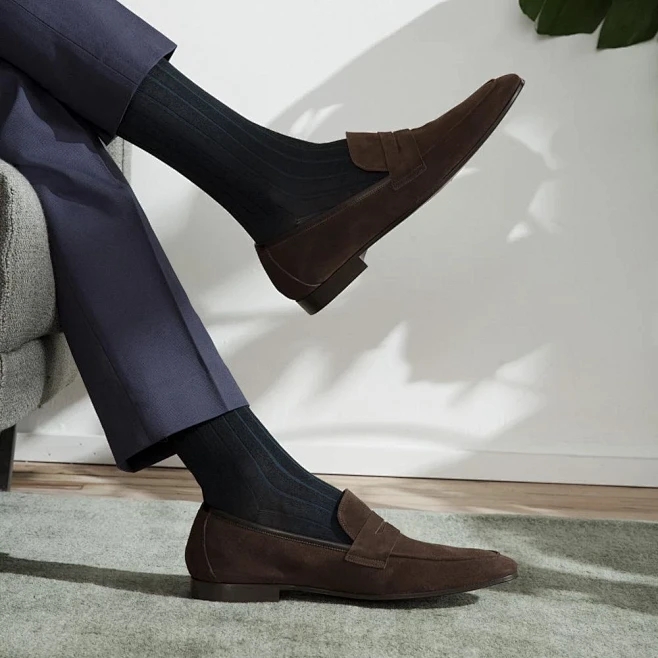
If you landed here by searching custom suit socks, you are probably one of two people: someone building a buying brief, or someone checking whether a quote already received makes sense. Either way the reference points are the same – MOQ of 300 pairs per color, 3-7 days to sample, 5-25 days to produce – because buyers who want the specification and the commercial terms settled before asking anyone for a quote all run into the same four cost lines.
Note those down with gauge, toe closure and cuff before you send anything out.
On this page:
- The parameters that change how dress socks perform
- QC: the checks to ask for before the shipment leaves
- Which yarn blend actually performs
- The critical path, and where it slips
Search variants worth knowing about: wholesale dress socks; custom dress socks manufacturer; custom silk socks – they cover the same ground from a different starting point.
The parameters that change how dress socks perform
| Parameter | Where it is set | What it changes |
|---|---|---|
| Cuff | Fine rib, low pressure, no marks. | No bare leg showing when seated. |
| Gauge | 200N fine gauge. | Decides surface refinement and how closely the sock follows the leg. |
| Toe closure | Hand-linked seamless. | The comfort baseline for formal wear. |
Two supporting parameters matter just as much: 200N is the default; the fine surface of a dress sock comes entirely from gauge, and the finishing route (washing, boarding and heat-setting), which is what actually locks in the dimensions.
Re-check the parameters after sampling. What you specified and what the sample made you want are often two different things, and the bulk order should follow the sample. Reference: white label sock program.
QC: the checks to ask for before the shipment leaves
AQL 2.5 is the common default for apparel, and many European and US buyers additionally require zero tolerance for critical defects. AQL 4.0 suits promotional goods, and AQL 1.0 is used for high-value or medical channels. Then the product-specific checks:
| Check | Method |
|---|---|
| Dimensions after washing | Within plus or minus 3%. |
| Colour fastness | Dark dress socks are a bleeding risk. |
| Gauge and density | Count loops per unit area on samples. |
| Toe seam flatness | By hand and by eye. |
Agree in writing what happens to rejected goods: rework, replacement or credit. Without that clause, an inspection report is just a document. Process and test references: white label sock program.
Which yarn blend actually performs
| Blend | What it gives you |
|---|---|
| Silk or wool blend | Formalwear and high-end tailoring. |
| Mercerised cotton 80% / nylon 17% / elastane 3% | Lustre and drape. |
| Long-staple cotton, mercerised | The premium business segment. |
Beyond the blend, three things decide the outcome more than the fibre name does:
- Staple quality. Combed cotton sheds short fibres, which is why it pills noticeably less than carded.
- Elastane share. Below about 3% the cuff will not recover; above 8% the sock feels tight and costs more.
- Reinforcement yarn. Nylon in the heel and toe is the cheapest durability you can buy.
For dress socks the trade-off is usually between handfeel and durability — pick the one your buyer notices first. Cross-category comparison: sock resource library.
The critical path, and where it slips
There are only three places a schedule genuinely slips, and none of them is knitting capacity.
Yarn availability. If your colour needs dyeing rather than coming from stock, add one to two weeks before anything else can start. Choosing stock yarn is the fastest schedule decision you can make.
Sample rounds. Every clarification costs three to five days. Three rounds will push most programmes past their selling window, which is why the first brief matters so much.
Finishing and packing. Closing, boarding and packing are labour-intensive and are where work queues. A full sea container takes roughly 30-40 days to the US West Coast and 35-45 days to major European ports. Air freight takes 5-8 days but usually costs four to six times the sea rate per unit, and courier shipments for small trial orders arrive in 3-5 days.
Build in a buffer: one week for sample revisions and one week for shipping volatility. Process detail is documented under white label sock program.
FAQ
What is the minimum order?
300 pairs per color; mercerised yarn depends on the mill minimum, so ask for it separately.
How long is sampling?
3-7 days; fine-gauge knitting and finishing take slightly longer.
How much difference is there between 200N and 144N?
Surface refinement and how closely the sock follows the leg. Business formalwear is essentially all 200N.
What is the fastest way to get an accurate quote?
Send a specification sheet — yarn composition, needle count, size set, construction, artwork route, quantity and packing. A quote built from that is usually within a few percent of final; a quote built from a photo is not.
To place it in context, compare it against socks wholesale.
Where to go from here
Ready to move? Put the spec sheet together first — yarn, needle count, sizes, construction, artwork, quantity, packing. Then custom suit socks and Sockmader will get you a number you can plan against.