Hiking socks sit at the intersection of boot socks and athletic performance: they must cushion miles of impact, manage sweat on long ascents, and insulate at altitude. This guide helps buyers specify hiking socks by trail type, not just color, because the right cushion and height prevent the blisters and hot spots that end hikes early. For outfitters and brands, a hiking sock specified to the trail is a product that earns repeat purchases; one specified only by color is a return waiting to happen once a customer actually walks in it.
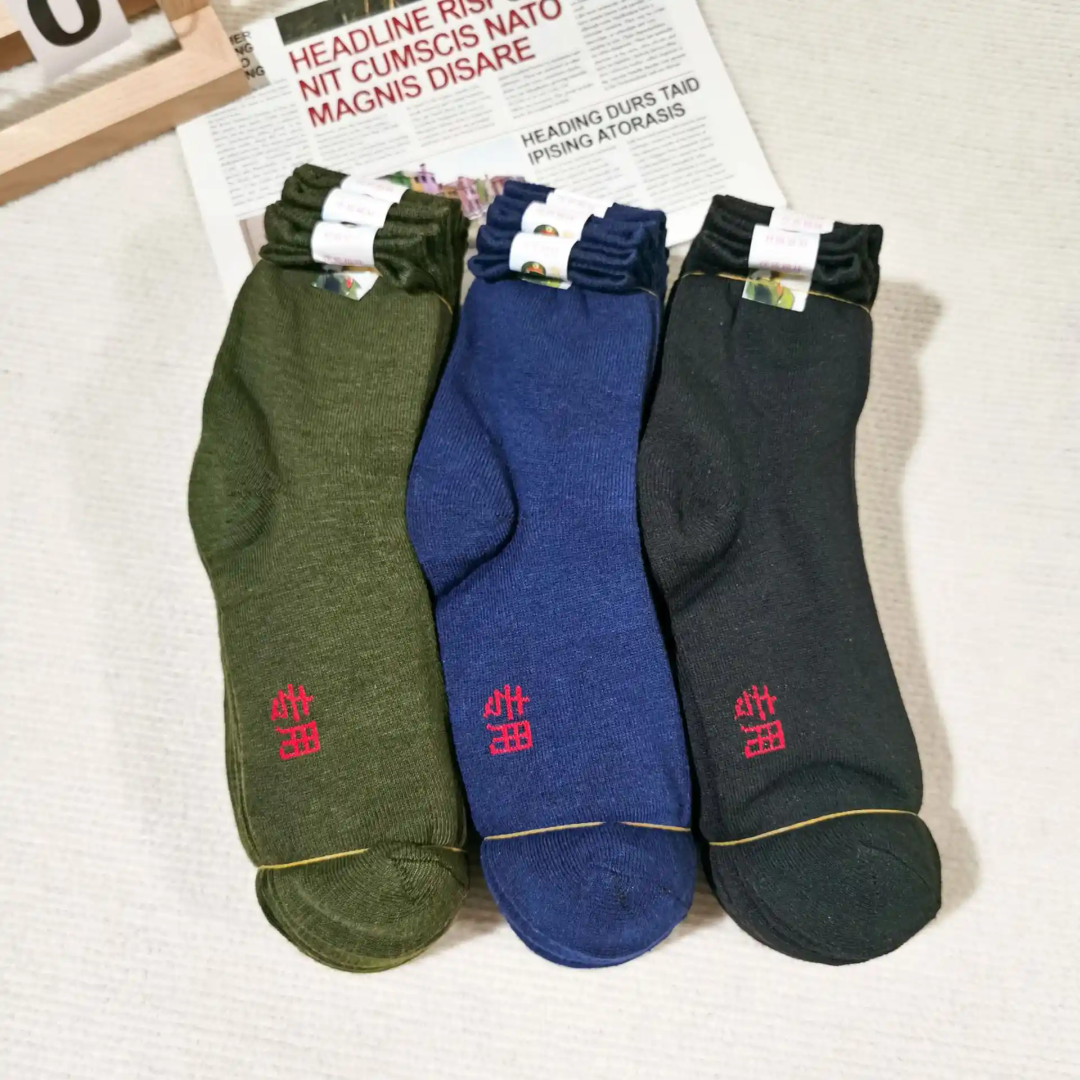
Every specification in this guide is adjustable through work sock manufacturing, from yarn and gauge to cushioning and packaging.
Cushion Density by Trail – Light: day hikes, well-built boots, warm weather (low terry). – Medium: weekend treks, most boots (standard terry sole plus heel). – Heavy: multi-day, rough terrain, cold (full terry, thicker leg). Match cushion to boot volume — heavy cushion in a tight boot cramps the foot and causes pressure points. We advise buyers to start at medium, the versatile default, and move light or heavy once they know the boot and the typical terrain, because cushion that fights the boot fit does more harm than good.
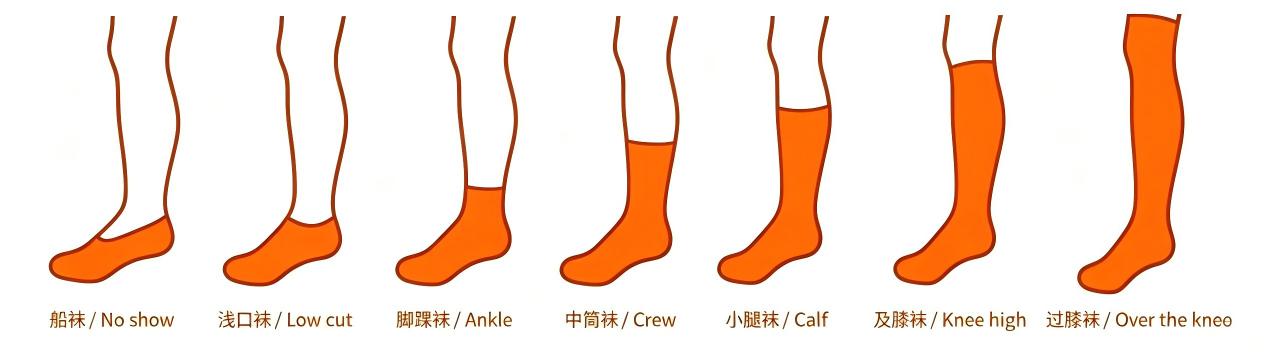
Height Crew for low-trail shoes; OTC or knee-high for boots and brush protection. OTC is the hiking standard; it keeps debris out and the shin padded against the boot tongue on descents. A crew that slips below the boot top lets grit in and leaves the shin raw by the end of a long day. We lock the height against the boot model, not against a generic “hiking” label, because boot shafts vary more than buyers expect.
Merino Blend Is the Norm Hiking socks are predominantly merino-nylon-elastane (50–65% merino). Merino buffers temperature, wicks, and resists odor on multi-day trips where laundry is rare. Synthetic-only blends suit hot climates and fast hikers who prioritize dry speed over warmth. Cotton is excluded entirely. We treat the merino share as a spec line, because a 50% merino sock and a 65% merino sock feel and perform differently on a cold, wet ridge.
Moisture Control Spec a vent zone at the leg and a wicking footbed. For multi-day treks, odor-resistant merino reduces wash need, which matters when the only water is for drinking. A seamless (linked) toe prevents downhill blister hotspots, because the toe box takes the most repeated pressure on a descent. We prioritize the linked toe on every hiking sock, since it is the single cheapest upgrade that prevents the most common trail injury short of a sprain.
Bulk and Wholesale Hiking socks: MOQ ~50 pairs per weight. Require reinforced heel and toe and a linked toe. Sample the cushion density against the target boot before bulk, because a sock that feels right flat can crowd a snug boot. We recommend outfitters stock light, medium and heavy in the core colors so a customer can match the sock to the hike, not to the display.
Common Spec Mistakes Two errors dominate hiking-sock returns. The first is cushion that fights the boot: a heavy terry in a snug boot causes pressure points, not comfort, so match cushion to boot volume. The second is skipping the linked toe, which leaves a seam that rubs on descents. We also see buyers order crew height for a boot that needs OTC, letting grit in. Lock cushion, height and linked toe together and the sock performs; leave any one vague and the hike suffers at exactly the wrong moment.
If that is settled, the next question is usually answered in Boot & Hiking Socks Material Guide.
FAQ
Q: Light or heavy cushion for a first pair?
A: Medium — covers most trails and boots; go light or heavy once you know your boots and terrain.
Q: Merino or synthetic for hiking?
A: Merino for cold and multi-day; synthetic for hot, fast hikes where drying speed wins.
Q: Crew or OTC for hiking?
3 A: OTC standard; crew only for low trail shoes where the boot top sits below the calf.
CONCLUSION
Spec hiking socks by cushion, height and merino blend matched to the trail and boot. Right-matched, they prevent the blisters and hot spots that end hikes early — and a hiker who finishes comfortably is a hiker who buys the same sock again.
When you are ready to produce, the Sockmader custom sock factory covers sampling, MOQ and lead times in one place.
Start your next order with custom work socks from Sockmader — send artwork, size range and target quantity for a quote.