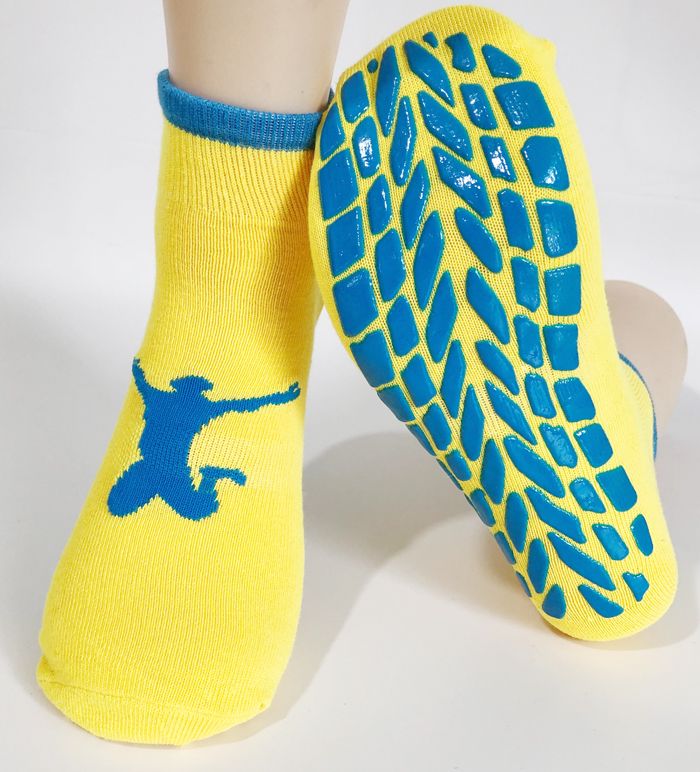
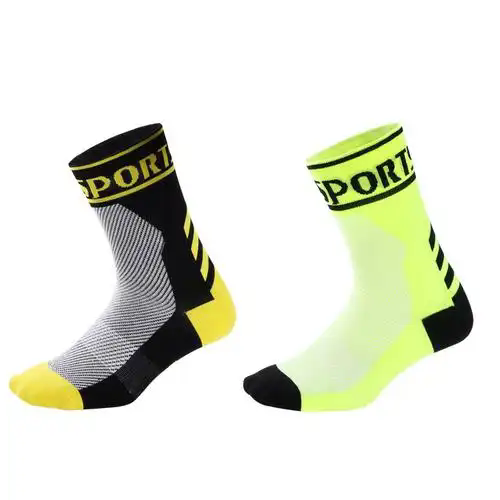
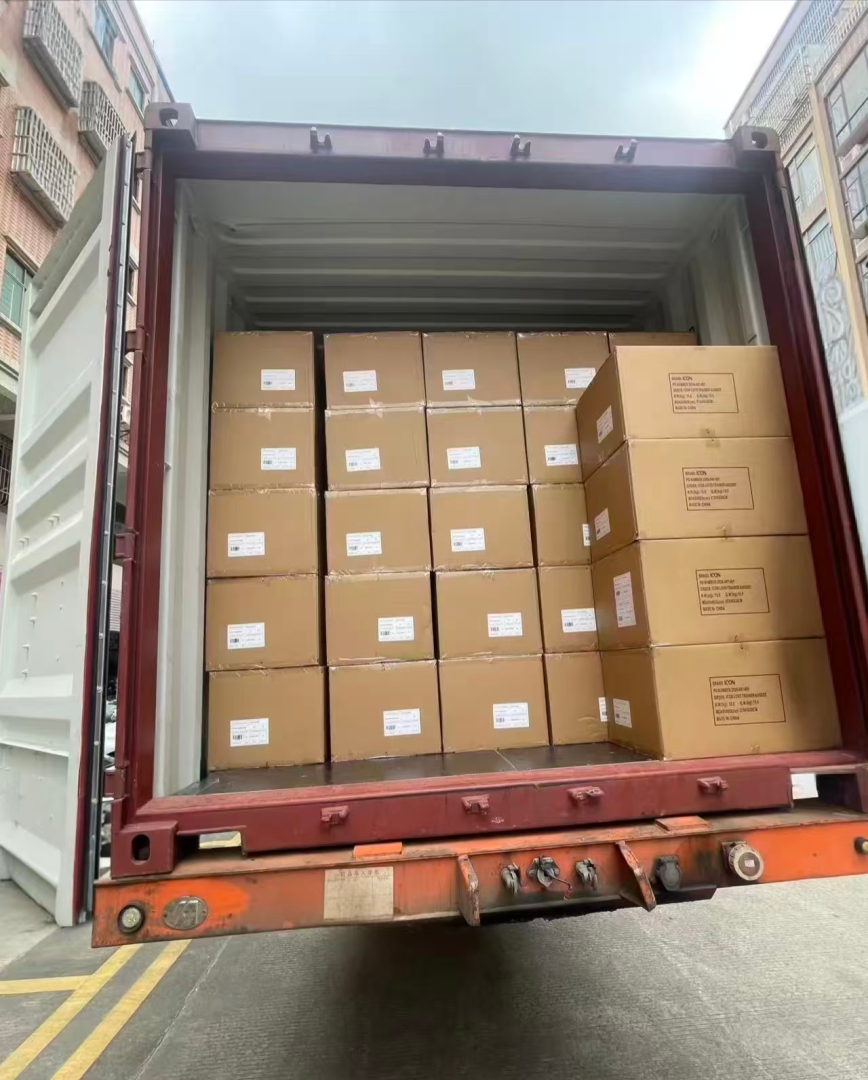
Buyers searching for custom wool socks wholesale usually want three things settled before they write to anyone: the specification, the minimum and the calendar. The unit price is not one figure: it is a fixed setup cost spread across whatever quantity you order, which is why the per-pair number moves so sharply between a short run and a long one.
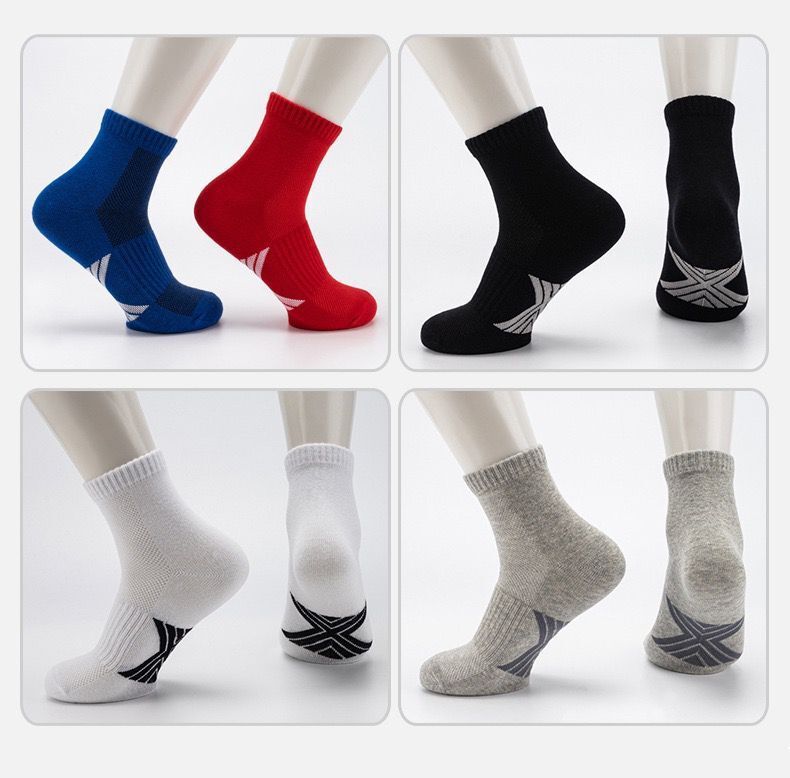
In plain terms: if you are buying custom wool socks, plan on 300 pairs per color, 3-7 days for samples and 5-25 days for a bulk run. Searches like this usually come from buyers who are usually building a resale or distribution programme, not buying for personal use, which is why this page goes straight to numbers rather than marketing copy.
Three specifications decide both the outcome and the price: micron count, shrink treatment and origin certification. Get those on your enquiry sheet and quotes become comparable.
What this covers:
- Due diligence questions to put to any wool socks supplier
- Certificates and reports to request up front
- Where your money actually goes
Related terms in the same decision: custom merino wool socks; custom cashmere socks; custom wool socks manufacturer.
Due diligence questions to put to any wool socks supplier
Send these in the first two emails. The value is not the answer itself but how quickly and specifically it comes back.
1. Which gauges do you hold, and how many machines of each? The gauge set decides what they can physically make for you.
2. Can you name three clients buying this exact construction? General references say little; category-specific references say everything.
3. What does your in-line checking actually look like? Ask what is written down at the machine, not what is promised in the quote.
4. How do you trace a batch back to a yarn lot? Traceability is what separates a factory from a trader.
5. What is your policy when colour lands outside tolerance? Every bulk shipment drifts slightly; the question is what happens next.
6. Who signs off production before it leaves? A named person beats a department every time.
7. What are your payment terms and why? Terms reveal how confident a supplier is in their own delivery record.
8. Can you hold yarn for a reorder, and for how long? Reorders fail on yarn availability more often than on capacity.
9. What happens if my artwork needs changing mid-run? Programmes change. The process for handling that should already exist.
10. What is your defect rate by failure mode? A factory that measures this tends to manage it.
Keep the answers. They become the baseline you audit the second order against, which is where supplier relationships are actually tested. Start from custom socks from Sockmader for the category baseline.
Nearly every sourcing dispute traces back to a spec that was never written down. Put these on your enquiry sheet and most of the risk disappears.
| Spec | What to write | Why it matters |
|---|---|---|
| Shrink treatment | Machine washable treatment or not. | Changes the care label. |
| Origin certification | RWS or mulesing-free declarations. | Often demanded by brands. |
| Micron count | 17.5-21.5 microns. | Decides whether the sock feels prickly. |
Also pin down the packing method (pairing, folding, hang tag, polybag, carton count) — it is the last step and the one that most often gets assumed rather than specified. Related reading: custom socks from Sockmader.
Certificates and reports to request up front
Certificates prove a management system exists; test reports prove a specific batch passed. You generally need both. For wool socks, request:
- OEKO-TEX Standard 100
- RWS
- ISO 9001
Match the certificate to the channel, not to a checklist. A promotional giveaway and a pharmacy listing do not need the same paperwork, and over-buying tests is as wasteful as under-buying. Commercial terms and compliance handling: white label socks.
Where your money actually goes
Take a typical first order of a few hundred pairs. Four lines decide almost everything.
| Cost line | Typical share | What moves it |
|---|---|---|
| Yarn | 35 to 50 percent | fibre type, staple quality, whether it is custom-dyed |
| Knitting and labour | 20 to 30 percent | gauge, structure complexity, number of colours |
| Technique and setup | 5 to 15 percent | artwork route, screens, machine set-up |
| Finishing and packing | 8 to 12 percent | washing, boarding, labelling, cartons |
Note that only one of those four is negotiable through quantity alone. The technique line is fixed per design, so it either gets spread across many pairs or it sits heavily on few.
Yarn is almost the whole cost of a wool sock. Every micron finer and every 10 points more wool content produces a visible step in unit price.
If two quotes differ by more than a few percent, the difference is usually the specification rather than the supplier. The commercial route is explained on white label socks.
FAQ
Can they be machine washed?
Only with shrink-resist treatment. Otherwise label them hand wash or dry clean.
What is the minimum order?
300 pairs per color; custom-dyed merino has its own mill minimum, so confirm it before costing.
How long is sampling?
3-7 days, plus a few days for fineness testing.
What is the fastest way to get an accurate quote?
Send a specification sheet — yarn composition, needle count, size set, construction, artwork route, quantity and packing. A quote built from that is usually within a few percent of final; a quote built from a photo is not.
Buyers comparing this usually open sock sizing guide and custom compression socks next.
Where to go from here
If you take one thing from this: the cheapest quote is usually the one with the loosest spec. Write the spec first and the quotes become comparable. custom wool socks is the place to begin; custom socks from Sockmader covers the commercial terms.