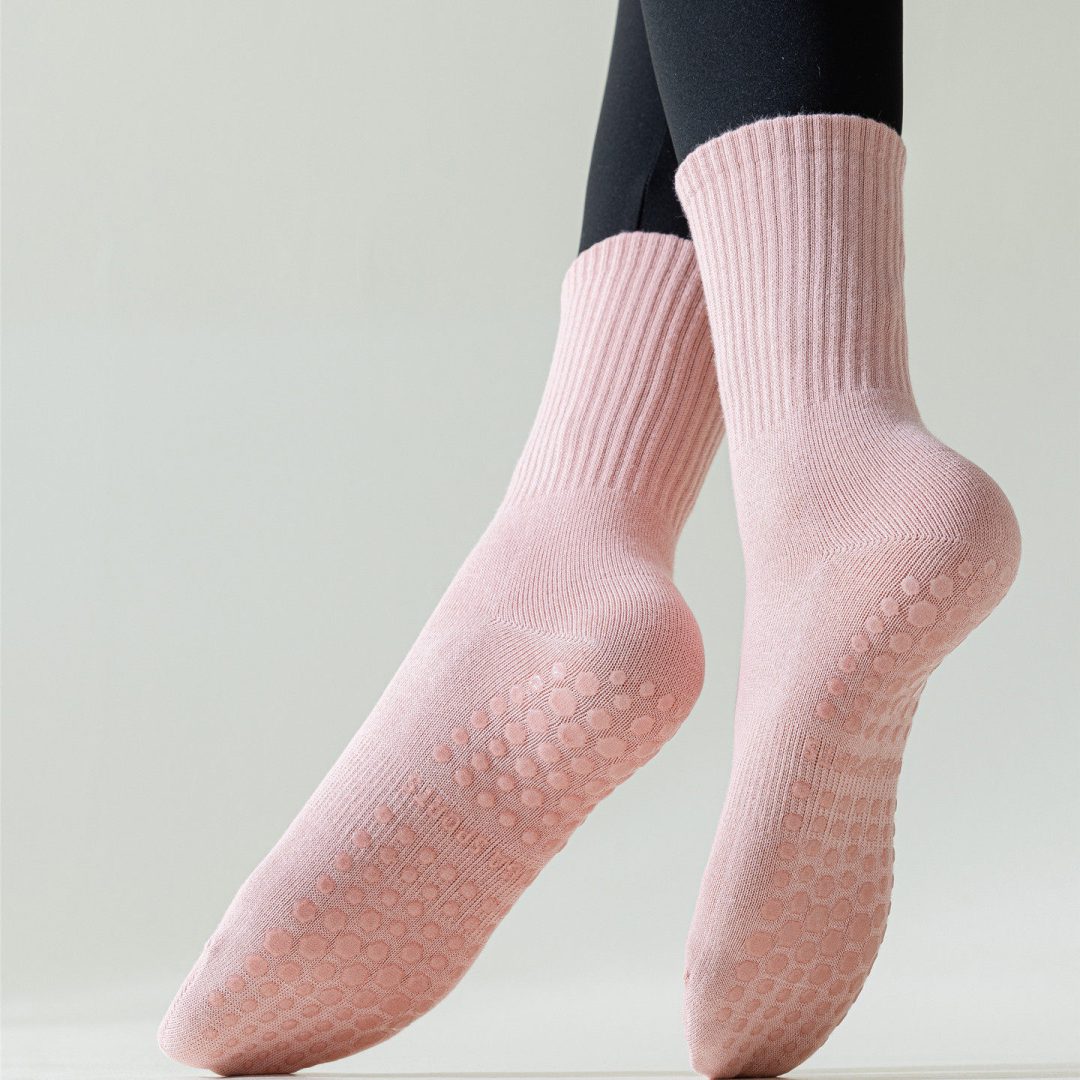
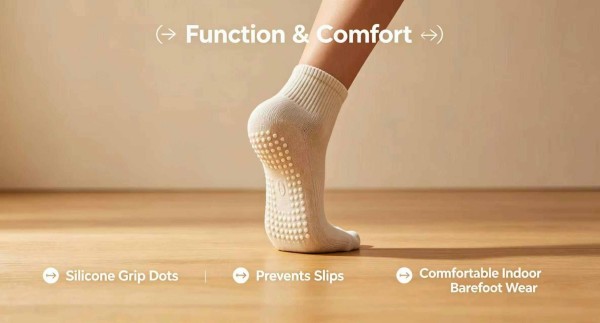
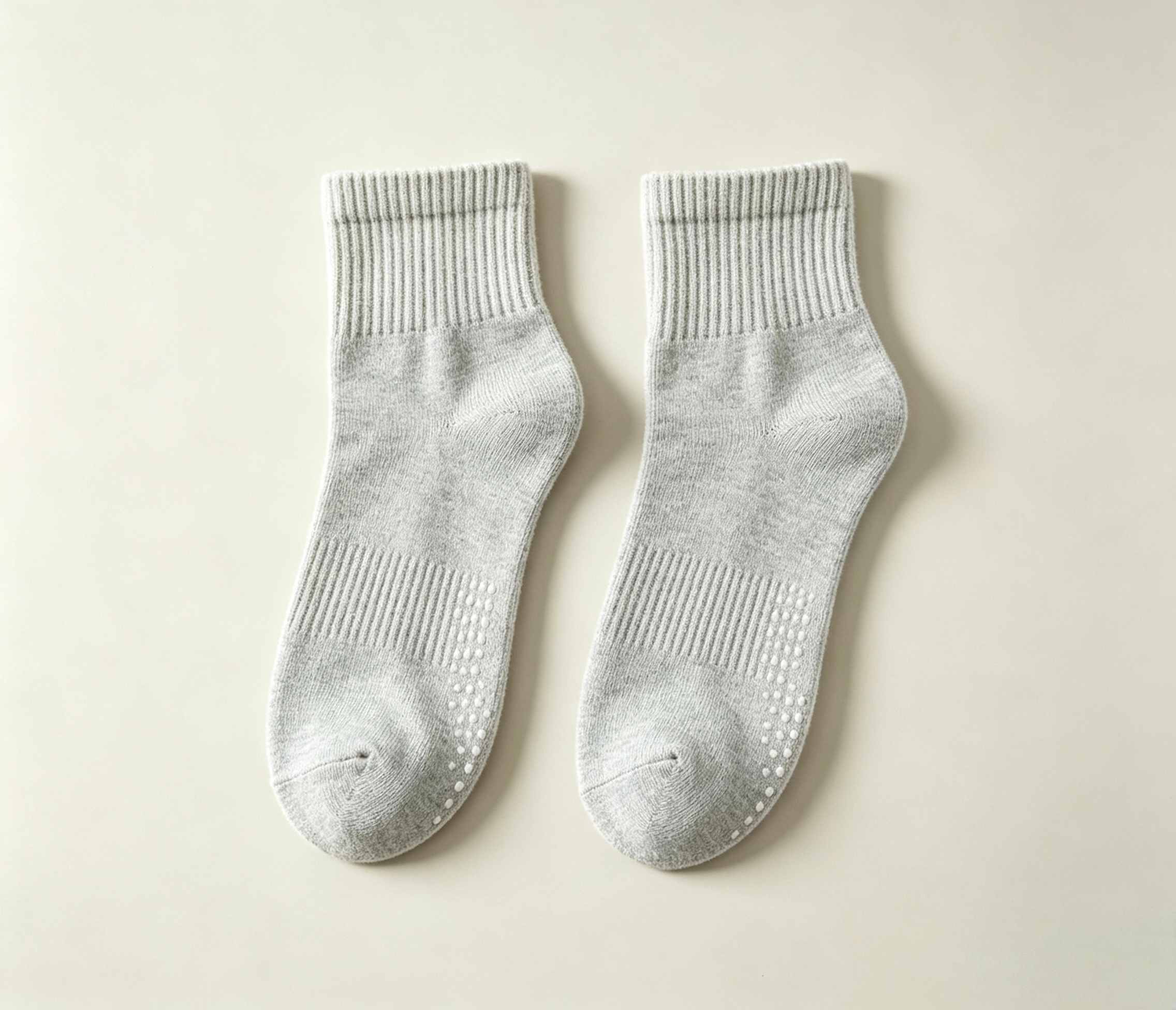
Grip socks are one of the few apparel categories a solo founder can launch credibly. The product is small, the minimum order is low, shipping is cheap relative to value, and the customer understands the benefit in about ten seconds. The category is also more crowded than it was five years ago, which means the entry is easy but the differentiation has to be real. The founders who build durable businesses here do not compete on price — they pick a specific audience, solve a specific problem, and own it.
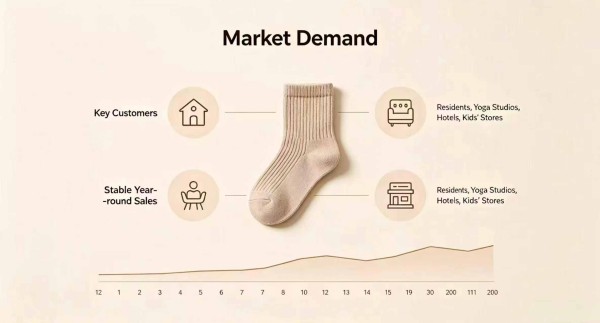
Sampling, production and retail packaging for a first line all run through grip sock manufacturing.
Choose the Niche Before the Sock “Grip socks for everyone” is not a business. “Grip socks for reformer Pilates studios,” “grip socks for trampoline parks,” “grip socks for hospital gift shops,” and “grip socks for dance schools” are four different businesses with different products, channels and price points. Each has its own requirements: Pilates wants toe-open and soft, trampoline parks want maximum grip and durability, hospitals want full-sole tread and compliance, dance schools want color ranges and size runs for children. Pick one, build the whole line around it, and expand only after you have repeat orders.
Get the Product Right Before the Brand Your first order will be judged on grip performance and wash durability, not on your logo.Specify dot coverage for your niche, choose a silicone grade that survives at least fifty washes, and insist on a physical sample that you wear and launder repeatedly. Test on the actual floor surface your customers use — a studio mat, a trampoline bed, a vinyl corridor. A sock that grips on wood may slip on PVC, and the only way to know is to stand on it.
Unit Economics and MOQ A custom grip sock typically starts at around 300 pairs per design, with unit cost falling steeply by 1,000 and again by 5,000 pairs. Add silicone cost, packaging and freight, then work backwards from your intended retail price. As a rule, aim for a landed cost at or below a quarter of retail; below a third and you will struggle to fund marketing. The most common financial error is ordering a large first run to chase a lower unit price and then discovering the design needs changing — buy the more expensive small run first.
Channels That Actually Work Studios are the natural first channel because the product is demonstrated in use: instructors wear them, students ask, and the studio retails them at good margin. Trampoline parks and climbing gyms sell them as a safety requirement rather than a choice. Hospital gift shops and physiotherapy clinics buy steadily but slowly. Online works, but only with demonstration content — a photo of a foot sliding and not sliding sells more than any copy. Whichever channel you start with, design the packaging for it: studio retail needs a hanger and an impulse price point; online needs a mailer that survives transit and photographs well.
Build the Reorder, Not the Launch Grip socks wear out. That is the business model. A customer who buys one pair and washes them weekly needs replacements within a year, and a studio customer reorders by the box. Structure your line so reorders are easy: keep core colors permanent, retire seasonal ones cleanly, and hold your supplier’s specs on file so a repeat order can be placed without re-sampling.
If that is settled, the next question is usually answered in How Are Yoga Socks Made?.
FAQ
Q: How much capital does a first order need?
A: Budget for sampling, a 100-pair minimum run, packaging and freight — a modest entry compared with most apparel.
Q: Should I launch with several designs?
A: No. Launch with two or three, learn which sells, then expand the winner.
Q: Is private label or custom design better to start?
A: Private label gets you to market fastest; custom design builds the brand. Most founders start with private label and move to custom on the second run.
Q: What kills most first grip sock orders?
A: Silicone that fails after washing, and a size run that does not match the audience.
CONCLUSION
A grip socks business is built on a narrow niche, a product that genuinely grips and keeps gripping after washing, and a channel where the benefit can be demonstrated in person. Keep the first order small enough to learn from, price for a reorder business rather than a one-off sale, and let the first fifty customers tell you which niche you are really in.
To move from plan to order, send artwork, size range and quantity through the Sockmader custom sock factory.
When you are ready to source, the Sockmader custom anti-slip socks team can quote sampling, MOQ and lead times for your quantity.