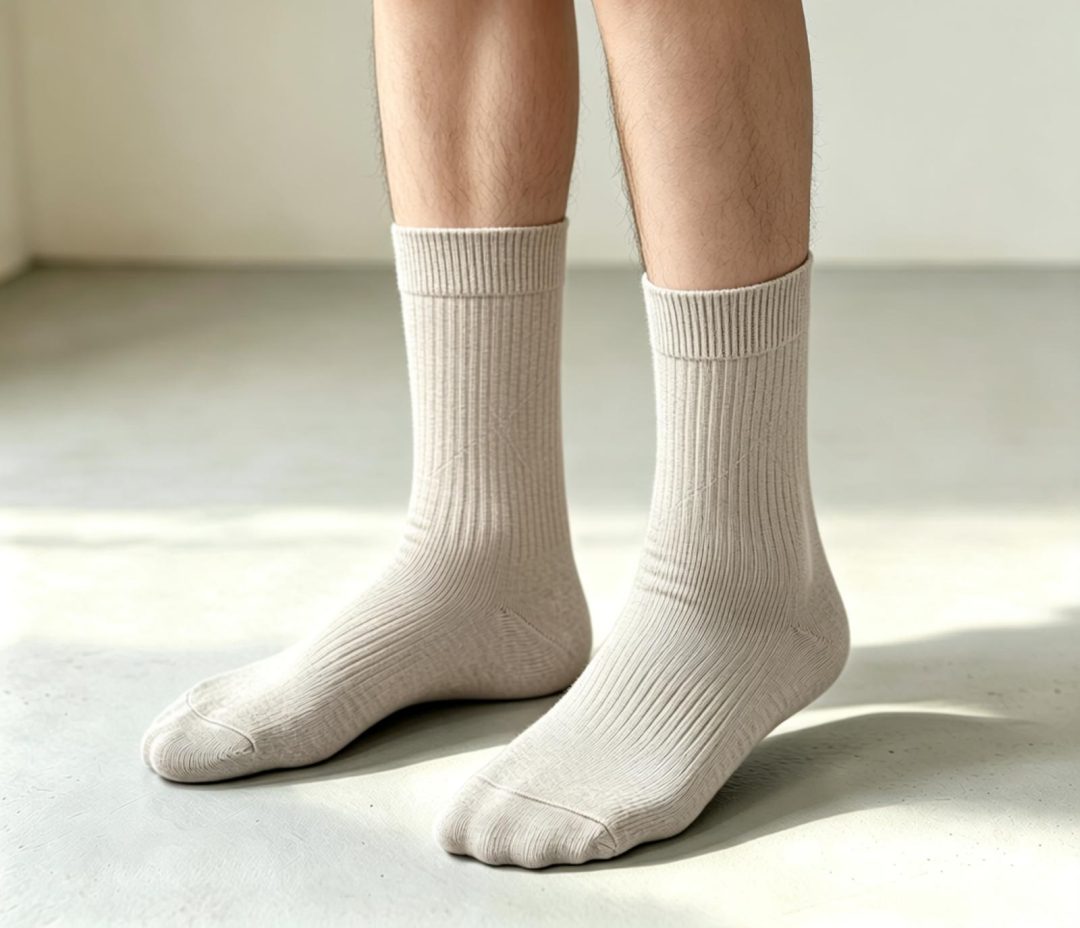
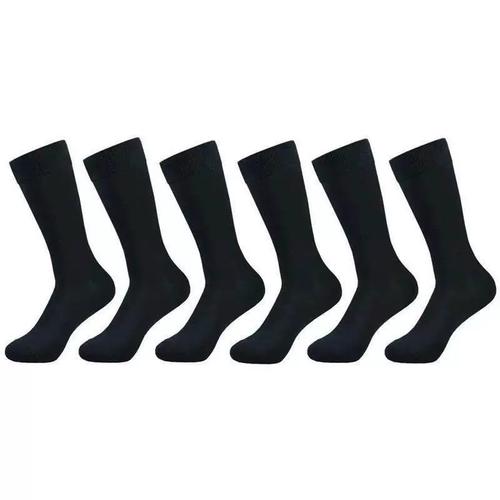
Dress socks used to be judged on a single axis: how invisible they could make themselves. The correct sock was thin, dark, smooth and unnoticeable. That has changed. Formalwear relaxed, tailoring softened, and the sock moved from something to hide to something that finishes an outfit. For anyone buying dress socks for a brand or a uniform programme, the trends below are not fashion commentary — they are the specification decisions that are currently driving sell-through.
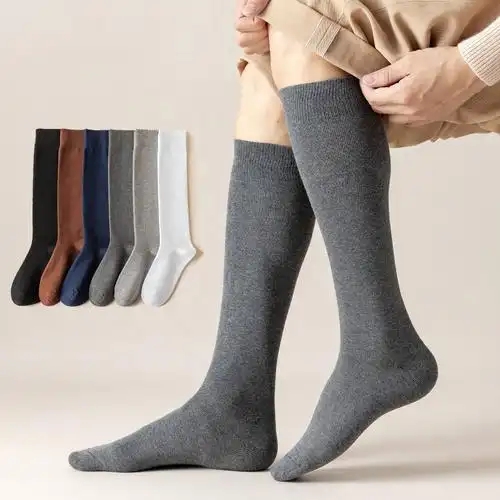
These directions are already running through wholesale dress socks, and new styles can be sampled in roughly two weeks.
Texture Has Replaced Shine The most visible shift is the move away from high-sheen synthetic nylon toward matte, textured knits. Ribbed constructions, fine cables, birdseye and subtle geometric patterns all read as considered rather than generic. The reason is practical as much as aesthetic: a textured knit holds its shape better through a day of wear and hides creasing at the ankle. Smooth, shiny dress socks sag by lunchtime and show every wrinkle under a trouser hem.
Tonal Rather Than Matching The old rule was to match the sock to the trouser. The current practice is to sit one or two shades within the same family — charcoal socks with a mid-grey trouser, navy with a lighter blue. This creates depth without contrast, and it is far more forgiving across a wardrobe. Retail assortments have followed: single-colour multipacks are giving way to tonal sets of three or four shades that work with several trousers.
Pattern Is Back, But Quietly Argyle, dots and geometric repeats have returned, but scaled down and toned down. Micro-dots, small-scale diamonds and tone-on-tone stripes are selling; large, high-contrast argyle is not. The pattern should be visible only when the wearer sits down and the trouser hem rises — which is precisely when a plain sock looks like an oversight. This is the most profitable trend on the list, because a patterned sock justifies a higher price at almost the same production cost.
Merino and Blends Over Pure Synthetics Fine merino, merino-silk and merino-cotton blends have become the default at the quality end. They regulate temperature, resist odour and feel substantial without bulk. Pure nylon dress socks remain in the value segment, but even there blends with a natural face yarn are taking share. Buyers should note the trade-off: merino is more expensive and needs gentler care, so care labels and customer expectations have to be set accordingly.
Sustainability as a Specification Organic cotton, recycled nylon and responsibly sourced merino are moving from marketing to requirement, particularly for corporate gifting and uniform tenders where procurement has a stated policy. GOTS certification for cotton and RWS certification for wool are the two standards that come up most often in tender documents. Having certification documentation ready is now a competitive advantage rather than a nice-to-have.
The Casualisation Effect Fewer people wear formal tailoring five days a week, but those who do are more deliberate about it. The result is a smaller market for basic black multipacks and a larger one for distinctive single pairs bought as a deliberate choice. Brands are responding with smaller, better-curated ranges and higher price points, and the volume has shifted accordingly.
We handle the adjacent decision in What Are Dress Socks?.
FAQ
Q: Are patterned dress socks still acceptable in conservative workplaces? A: Yes, if the pattern is small-scale and tonal. It reads as detail rather than as a statement.
Q: Merino or cotton for a corporate gift? A: Merino for a premium gift, organic cotton for a mid-range one with a sustainability story.
Q: Is the sock-to-trouser matching rule dead? A: Effectively. Tonal coordination has replaced exact matching almost everywhere.
Q: What colours should a basic range carry? A: Navy, charcoal, black and mid-grey cover the overwhelming majority of tailoring.
CONCLUSION
Dress socks have moved from invisible to intentional. Texture over shine, tonal over matched, quiet pattern over plain, and certified natural yarns over synthetics — these are the four shifts worth building a range around. The commercial implication is clear: fewer, better socks sold at a higher price, with the specification visible enough for the customer to see what they are paying for.
Ready to price this out? Start with a sample from Sockmader’s custom sock manufacturing team, or send your artwork and target quantity for a quote.
If you are planning your own line, our custom dress socks program covers sampling, MOQ and lead times in one place.