Bamboo socks are one of the most successful marketing stories in hosiery and one of the most misunderstood products. The word bamboo suggests a natural fibre harvested from a plant, and the reality is a regenerated cellulose filament produced in a chemical process much like viscose rayon. That does not make the socks bad — they are genuinely soft, breathable and comfortable. But it does mean that anyone specifying bamboo socks needs to understand what they are actually buying, and which part of the process determines the quality.
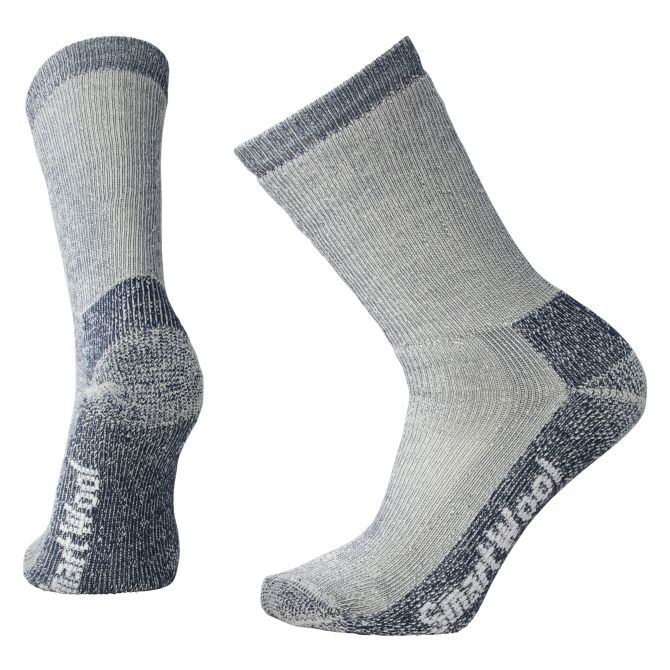
You will see every step below in wholesale crew socks, where sampling runs before bulk production and MOQ starts at 300 pairs per design.
From Pulp to Filament Commercial bamboo yarn starts with bamboo pulp, which is dissolved in a solvent system and extruded through spinnerets into a coagulation bath, producing continuous filament. The fibres are then washed, bleached and dried, and cut or left as filament depending on the intended yarn. Closed-loop production, where the solvent is captured and reused, is the responsible version of this process and is what certification schemes such as FSC and OEKO-TEX look at. Open-loop production is cheaper and considerably worse environmentally.
What the Yarn Actually Delivers Bamboo viscose has a smooth, round cross-section, which is why it feels soft and drapes well. It is highly absorbent — more so than cotton — and it releases moisture readily, which is why bamboo socks feel cool and dry. It has some natural antibacterial behaviour in laboratory conditions, though this is often overstated in marketing and diminishes with processing. It is weaker when wet than cotton, which is the main reason it is almost always blended.
Blending for Durability Pure bamboo viscose socks wear out quickly at the heel, because the fibre loses strength when wet and has poor abrasion resistance. Almost all commercial bamboo socks are therefore blends: typically 70 to 80 per cent bamboo viscose with nylon for strength and 2 to 5 per cent elastane for shape retention. The nylon is doing most of the durability work, and a supplier who cannot tell you the blend ratio is not a supplier worth using.
Knitting Bamboo Crew Socks Bamboo blends knit on standard circular machines at 144 to 200 needles, with no special equipment required. The yarn is smooth and slippery, which means tension has to be set carefully — too loose and the fabric bags, too tight and the filament can break. Fine-gauge bamboo socks at 200N produce an exceptionally smooth dress-casual sock, and that is where the yarn shows at its best.
Dyeing and Finishing Viscose dyes readily and takes colour deeply, which is why bamboo socks often look more saturated than cotton equivalents. The trade-off is that the fibre is sensitive to high temperatures and agitation in wet processing, so dyeing and finishing need gentler conditions than cotton. Care labels should reflect that: cool wash, low tumble, no bleach. Socks that are dried hot will lose shape faster than a cotton equivalent.
The Honest Environmental Position Bamboo the plant is genuinely sustainable — it grows fast, needs little water and requires no pesticide. Bamboo viscose the manufacturing process is chemically intensive, and its footprint depends almost entirely on whether the mill runs a closed-loop system. The honest position for a brand is to source certified closed-loop viscose, be accurate in marketing, and avoid claiming that the sock is a natural fibre. Greenwashing in this category is increasingly risky from a compliance standpoint.
We handle the adjacent decision in How Are Waterproof Socks Made?.
FAQ
Q: Are bamboo socks natural? A: The source plant is, but the yarn is regenerated cellulose — chemically processed, like viscose or lyocell.
Q: Why are bamboo socks so soft? A: The filament has a smooth, round cross-section, which gives a soft hand and good drape.
Q: Do bamboo socks last? A: Only in a blend. Pure viscose wears through quickly at the heel; nylon reinforcement is essential.
Q: Are they antibacterial? A: Laboratory tests show some effect, but it is far smaller than marketing usually implies and it fades with processing.
CONCLUSION
Bamboo socks are viscose socks, made by regenerating bamboo pulp into filament and blending it with nylon and elastane so it survives being worn. The result is genuinely soft, absorbent and comfortable, and it knits into an excellent fine-gauge crew. Buy certified closed-loop yarn, insist on a stated blend ratio, describe the product accurately, and you have a strong sock with an honest story.
When you are ready to produce, Sockmader’s custom sock manufacturing team covers sampling, MOQ and lead times in one place.
Start your next order with custom crew socks from Sockmader — send artwork, size range and target quantity for a quote.