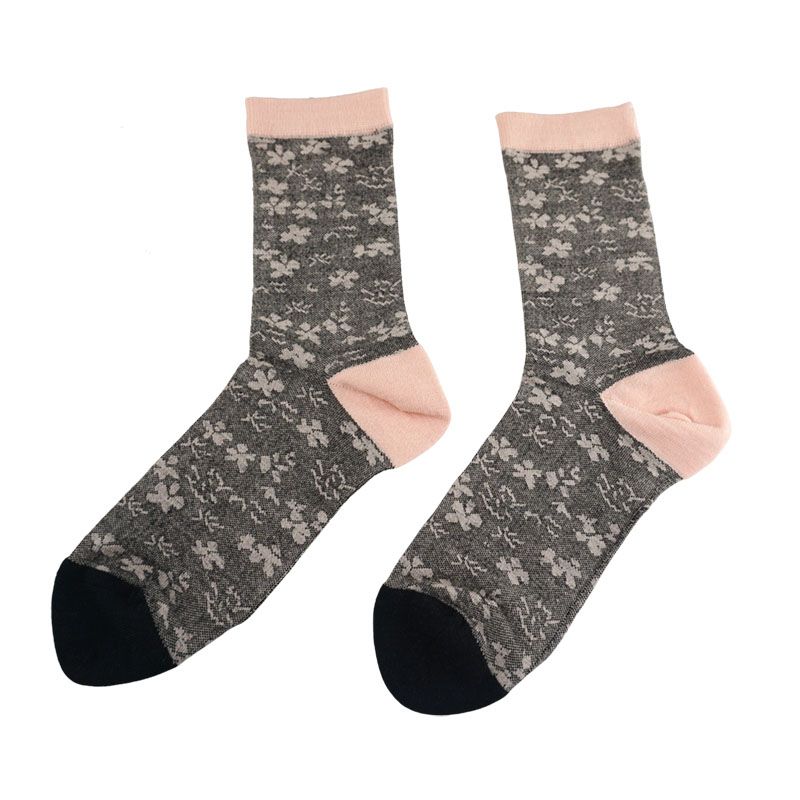
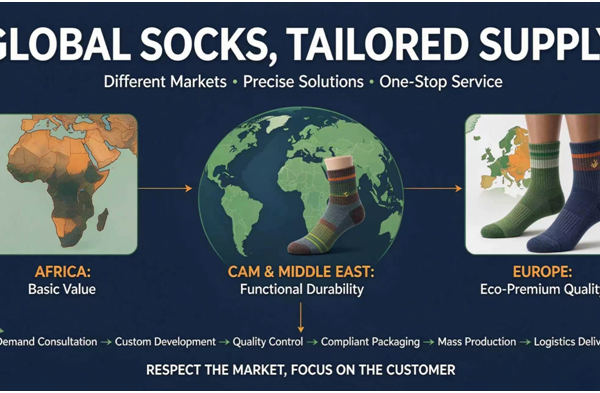
If you are sourcing sock business ideas, the most common mistake is asking for a price before there is a specification. A quote built without yarn composition, gauge and a size set is a guess, and guesses turn into disputes several weeks later. What follows covers the specification, the cost structure, the minimum per color and the calendar. The product route starts at sock business ideas.
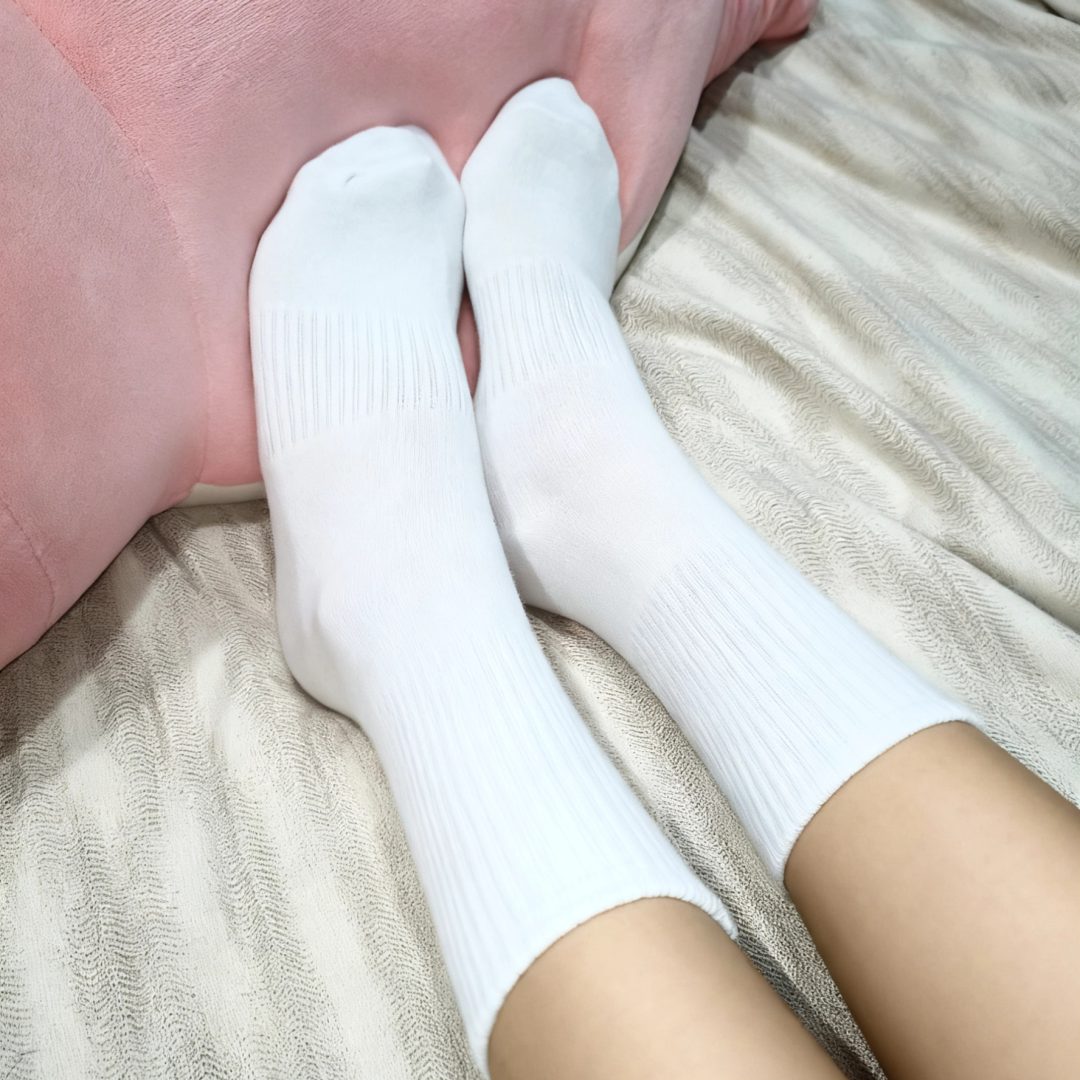
In plain terms: if you are buying sock business ideas, plan on 300 pairs per color, 3-7 days for samples and 5-25 days for a bulk run. Searches like this usually come from buyers who want the specification and the commercial terms settled before asking anyone for a quote, which is why this page goes straight to numbers rather than marketing copy.
Three specifications decide both the outcome and the price: sourcing brief, lead reserve and total cost view. Get those on your enquiry sheet and quotes become comparable.
On this page:
- The working checklist for your next sourcing socks order
- Where your money actually goes
- Minimum per color, and why the number is what it is
- Certificates and reports to request up front
Search variants worth knowing about: compression socks benefits; how are socks made; sock knitting machine – they cover the same ground from a different starting point.
The working checklist for your next sourcing socks order
Nothing here is exotic, which is exactly why skipping a line so often turns expensive.
1. Write the product brief before contacting anyone: end use, price point, target market.
2. Decide what matters most: handfeel, durability, compliance or unit cost.
3. Choose the artwork technique with its MOQ implications in mind.
4. Budget for two sampling rounds rather than hoping one is enough.
5. Agree colour references and sign a physical sample under proper lighting.
6. Confirm who owns artwork, screens and tooling before development starts.
7. Set the inspection point: in-line, pre-packing or both.
8. Plan backwards from the in-stock date, including customs clearance.
9. Model landed cost rather than unit cost before you commit.
10. Agree the reorder minimum and lead time at the same time as the first order.
If you cannot answer a step, that is the open risk in your programme. Name it before you release the order. Backing detail: ODM sock manufacturing.
Where your money actually goes
Take a typical first order of a few hundred pairs. Four lines decide almost everything.
| Cost line | Typical share | What moves it |
|---|---|---|
| Yarn | 35 to 50 percent | fibre type, staple quality, whether it is custom-dyed |
| Knitting and labour | 20 to 30 percent | gauge, structure complexity, number of colours |
| Technique and setup | 5 to 15 percent | artwork route, screens, machine set-up |
| Finishing and packing | 8 to 12 percent | washing, boarding, labelling, cartons |
Note that only one of those four is negotiable through quantity alone. The technique line is fixed per design, so it either gets spread across many pairs or it sits heavily on few.
The largest avoidable cost in sourcing is almost always a missed selling window, which no unit-price saving will recover.
If two quotes differ by more than a few percent, the difference is usually the specification rather than the supplier. The commercial route is explained on wholesale socks.
Minimum per color, and why the number is what it is
Buyers often treat MOQ as a negotiating position. It is not: it is arithmetic done by the production planner. Three costs have to be covered before the first pair is worth knitting.
- Machine programming and set-up. Fixed per design, regardless of how many pairs follow.
- Yarn minimum. A dyelot has a floor, which is why custom shades raise the entry point.
- Changeover labour. Every swap of yarn, needle setting or programme costs machine hours.
The standard minimum is 300 pairs per color. What shapes the order is not the design but the way it is split: each colourway is its own production run, and each size block is knitted and paired separately.
If you are unsure about size split, ask how the 300 pairs are distributed across sizes within one colourway; that is the number that actually constrains the order. Terms and sampling rules are set out on wholesale socks.
Certificates and reports to request up front
Certificates prove a management system exists; test reports prove a specific batch passed. You generally need both. For sourcing socks, request:
- OEKO-TEX Standard 100
- ISO 9001
- BSCI or Sedex-SMETA
Match the certificate to the channel, not to a checklist. A promotional giveaway and a pharmacy listing do not need the same paperwork, and over-buying tests is as wasteful as under-buying. Commercial terms and compliance handling: wholesale socks.
FAQ
What do I put in a first enquiry?
Yarn, gauge, sizes, construction, artwork route, quantity and packing method, plus the target delivery date.
How do I avoid comparing apples to oranges?
Send the same written specification to everyone and compare only what was quoted against it.
How far ahead should I start sourcing?
Work backwards from the in-stock date and allow 60 to 75 days for production and sea freight as a starting point.
What is the fastest way to get an accurate quote?
Send a specification sheet — yarn composition, needle count, size set, construction, artwork route, quantity and packing. A quote built from that is usually within a few percent of final; a quote built from a photo is not.
To place it in context, compare it against sock fabrics.
Where to go from here
If you take one thing from this: the cheapest quote is usually the one with the loosest spec. Write the spec first and the quotes become comparable. sock business ideas is the place to begin; custom socks covers the commercial terms.