Building a dress sock line means choosing both a size system and a style mix. This chart covers the shoe-size bands dress socks use and the three style families that cover nearly all formal demand, so a buyer can assemble a balanced program without over-skuing. Over-skuing is the quiet killer of new sock brands: too many colors and patterns fragment shade control and tie up cash in slow movers. The disciplined line sells better and reorders cleaner.
Sizes in this chart are available through custom dress sock range, and every size run can be graded and sampled before bulk production.
Size Bands Dress socks use the same shoe-size bands as other socks: – S: EU 35–38 – M: EU 39–42 – L: EU 43–46 – XL: EU 47+ Because dress socks are thin, stretch is generous; a band covers a 3–4 size range. Order weighted to M/L for men’s formal, M for women’s. Add 10% M for replacement, since dress socks are often gifted and sizes guessed.
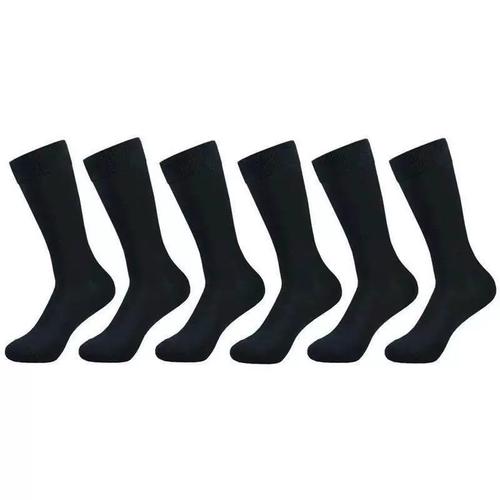
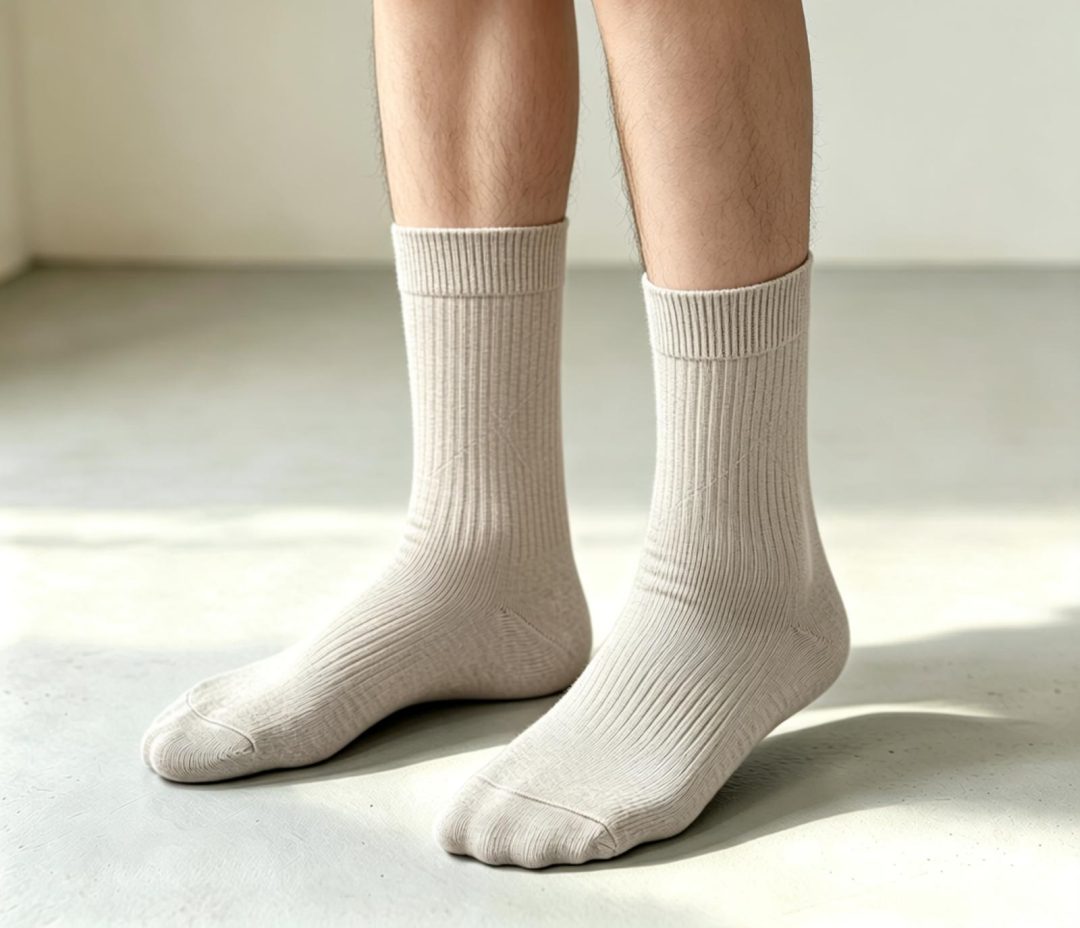
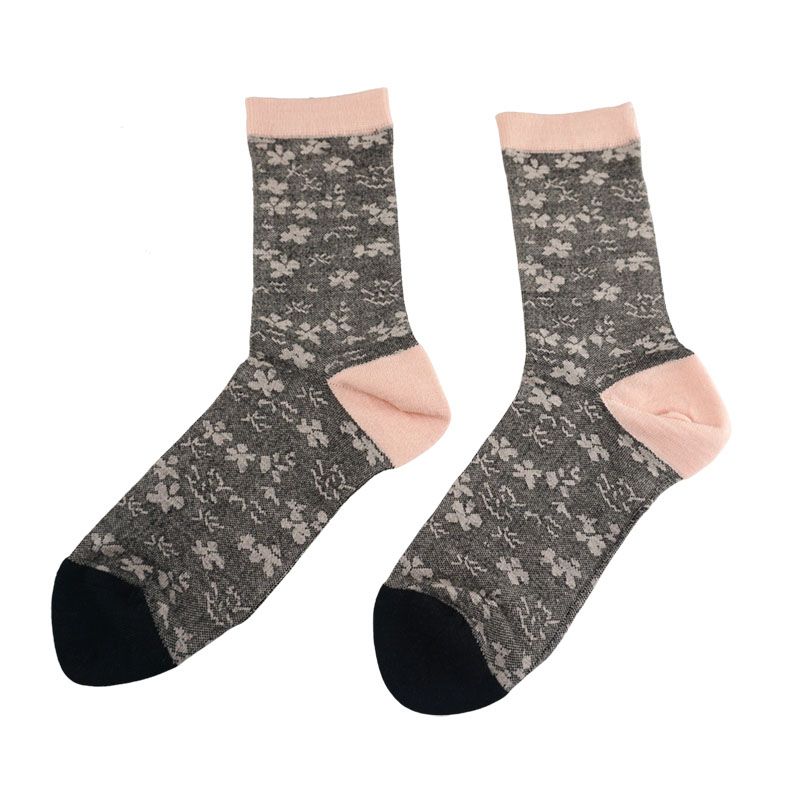
Style Families – Solid: the workhorse (black, navy, charcoal, burgundy). 60–70% of a line. – Ribbed: a textured solid, slightly more visual interest, same colors. 15–20%. – Argyle jacquard: the hero pattern, usually one or two colorways. 10–15%. Raises MOQ via jacquard. – Patterned (dots, geometric): optional accent, 5–10%. Each family serves a different wearer; solids move volume, argyle builds the brand image.
Length Crew to mid-calf is standard for formal; never ankle (shows skin when seated). Some fashion lines offer over-the-calf, but crew dominates dress. Specify crew so the sock never betrays the wearer in a meeting.
Building the Mix A starter line: 4 solids + 1 ribbed + 1 argyle = 6 SKUs covers most programs. Add a patterned accent once the base sells. Avoid more than 6 colors total to keep shade consistency manageable and reorder simple. A tight line is easier to merchandise and easier to keep in stock.
Dress Socks Trends picks up where this article leaves off.
FAQ
Q: Men’s and women’s dress socks differ? A: Only in size-band distribution and sometimes length; the sock itself is unisex by band.
Q: How many of each size to stock? A: Weight to M/L for men, M for women; add 10% M for growth/loss and gifting guesswork.
Q: Argyle raises cost how much? A: Typically +15–25% and higher MOQ due to jacquard setup; worth it as a hero SKU, not for the whole line.
Merchandising and Restocking Merchandise the line as a set, not as singles: a 6-pair gift box of the four cores plus the ribbed and argyle SKUs converts browsers far better than loose pairs. For restocking, track sell-through by color — black and navy move fastest, burgundy slowest — and reorder the fast movers before they stock out rather than reordering the whole set each time. Keep one hero argyle in constant stock; it is the photo asset that drives the category. A disciplined restock on the core four is what keeps a dress line profitable instead of a warehouse of odd sizes and faded shades.
Shade Locking Across the Line With up to six colors, shade drift is the real risk. Lock a master chip per color and a ±0.5 DE tolerance, and verify every lot against it under standard light. A line where the charcoal of January and the charcoal of June don’t match looks careless on the shelf. We hold the master chips and send a lot photo with every reorder so the buyer sees the match before it ships. Tight shade control is what lets a six-SKU line read as one brand instead of six near-misses that quietly erode trust in the program.
CONCLUSION
Size dress socks by shoe band and build the line around solids with ribbed and argyle as accents. A six-SKU program looks complete without overwhelming shade control — and completeness is what makes the line easy to buy and reorder.
When you are ready to produce, Sockmader’s custom dress socks team covers sampling, MOQ and lead times in one place.