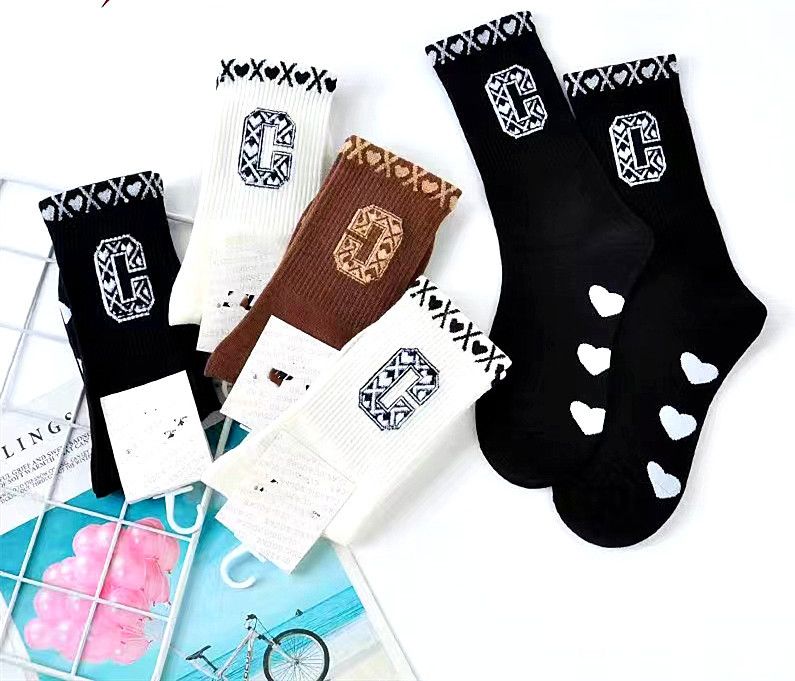
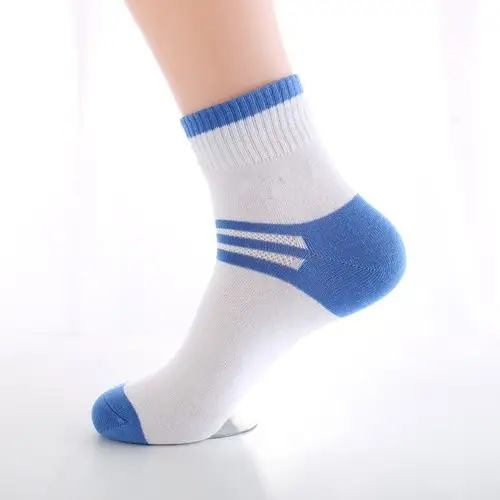
bulk socks is better understood as a specification range than as a product. What you receive depends almost entirely on what you write down first. This guide goes through the numbers worth confirming before you contact anyone, starting with bulk socks.
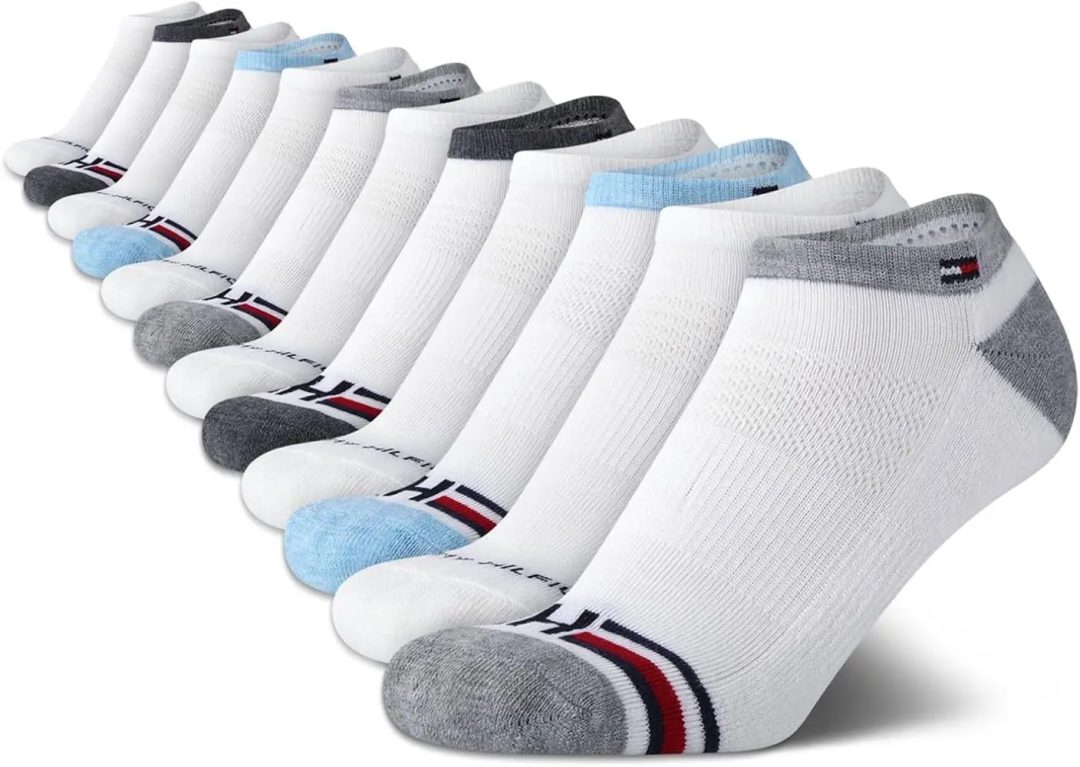
If you landed here by searching bulk socks, you are probably one of two people: someone building a buying brief, or someone checking whether a quote already received makes sense. Either way the reference points are the same – MOQ of 300 pairs per color, 3-7 days to sample, 5-25 days to produce – because buyers who are usually building a resale or distribution programme, not buying for personal use all run into the same four cost lines.
Note those down with yarn ratio, gauge and technique before you send anything out.
On this page:
- Four things that decide your unit price
- Sizing the first order
- Certificates and reports to request up front
- The critical path, and where it slips
If that is not the wording you used, these are the common alternatives: wholesale socks; socks wholesale; socks in bulk.
Four things that decide your unit price
Every quote you receive for custom socks comes back to the same four variables.
1. Fibre system. Wool blend – Winter styles.; Combed cotton 80% / nylon 17% / elastane 3% – The general-purpose everyday ratio.; Polyester with elastane – Athletic styles.
2. Construction time. Higher gauges knit more loops per pair, and every added zone, band or colour slows the machine down further. This is usually 20 to 30 percent of what you pay.
3. Fixed setup cost. Programming, screens and machine changeovers are charged per design, not per pair. This is why the first step up from the minimum moves the price far more than doubling an already large order.
4. Everything after knitting. Washing, boarding, pairing, labels and cartons add another 8 to 12 percent and are frequently forgotten in comparisons.
Wholesale pricing always includes a fixed setup component spread across the quantity ordered, which is why a larger run carries a lower fixed cost per pair than a short one.
Ask for the quote broken into those lines. A supplier who can split it will; one who cannot usually has not costed it. The commercial route is explained on ODM sock manufacturing.
Nearly every sourcing dispute traces back to a spec that was never written down. Put these on your enquiry sheet and most of the risk disappears.
| Spec | What to write | Why it matters |
|---|---|---|
| Technique | Jacquard, print or embroidery. | MOQ and lead time. |
| Yarn ratio | 75-85% cotton, 12-20% nylon, 2-5% elastane. | Handfeel and service life. |
| Gauge | 144N, 168N or 200N, chosen by end use. | Appearance and cost. |
Finally, agree the tolerance: size ±0.5 cm, weight ±5%, colour ΔE within an agreed range. Without tolerance, “close enough” becomes an argument. Related reading: Sockmader.
Sizing the first order
There is no advantage in ordering more than you can sell through, and no advantage in ordering less than the factory can schedule cleanly. The useful question is what the first order is for.
| Purpose | Sensible first order | Why |
|---|---|---|
| Quality and communication test | close to the minimum | you are buying information, not margin |
| Live launch with a known sell-through | one to three months of cover | avoids a forced reorder mid-season |
| Seasonal or gift programme | full season cover in one run | colours and yarn lots will not match later |
The standard minimum is 300 pairs per color. Ask separately about the size split within a colourway, because a supplier who answers with a single figure is usually quoting a stock item.
Seasonal and highly constructed styles carry a higher minimum for a simple reason: the machine spends longer being set up than it does knitting. Terms and sampling rules are set out on ODM sock manufacturing.
Certificates and reports to request up front
Certificates prove a management system exists; test reports prove a specific batch passed. You generally need both. For custom socks, request:
- OEKO-TEX Standard 100
- ISO 9001
- BSCI / Sedex-SMETA
If the goods contain a certified input (organic cotton, recycled polyester, responsible wool), you also need the transaction certificate for that batch — the certificate alone does not cover it. Commercial terms and compliance handling: ODM sock manufacturing.
The critical path, and where it slips
There are only three places a schedule genuinely slips, and none of them is knitting capacity.
Yarn availability. If your colour needs dyeing rather than coming from stock, add one to two weeks before anything else can start. Choosing stock yarn is the fastest schedule decision you can make.
Sample rounds. Every clarification costs three to five days. Three rounds will push most programmes past their selling window, which is why the first brief matters so much.
Finishing and packing. Closing, boarding and packing are labour-intensive and are where work queues. A full sea container takes roughly 30-40 days to the US West Coast and 35-45 days to major European ports. Air freight takes 5-8 days but usually costs four to six times the sea rate per unit, and courier shipments for small trial orders arrive in 3-5 days.
Build in a buffer: one week for sample revisions and one week for shipping volatility. Process detail is documented under sock material guide.
The numbers to put in your enquiry
Copy this block into your first email. It is the difference between a real quote and a placeholder.
| Line | Your value | Why the factory needs it |
|---|---|---|
| Yarn composition | e.g. Combed cotton 80% / nylon 17% / elastane 3% | Sets the largest single cost line |
| Gauge | 84N-200N | Determines knitting time and machine availability |
| Sizes needed | foot length in cm plus quantities | Sizing drives grading and waste |
| Artwork route | jacquard, print or embroidery | Each route carries a different setup minimum |
| Quantity per color | including the size split | Sets the unit price you are quoted |
| Target in-stock date | a real calendar date | Lets the factory quote honestly or decline |
Two lines are most often left blank, and they are the ones that cause the most trouble: the per-colour quantity and the real in-stock date. Without the first, the MOQ is quoted as one figure and your order may not qualify; without the second, nobody can tell you the truth about capacity. Reference route: bulk socks.
Where this decision actually sits in the buying process
Most programmes move through the same four gates, and each one has its own failure mode.
| Gate | The decision | What usually goes wrong |
|---|---|---|
| Concept | Is custom socks right for the range at all | Buyers commit before checking whether the channel wants it |
| Specification | Writing down what is actually being made | Vague briefs turn into repeated sample rounds |
| Supplier | Choosing who makes it | Comparison without a written spec is meaningless |
| Commitment | Quantities, dates, payment | Freight and lead time discover the date has already passed |
Work out which gate you are actually at before asking for anything else. Most wasted conversations happen because a buyer asks a commitment-stage question while still at the specification gate. Commercial terms start from ODM sock manufacturing.
FAQ
Which certificates can you provide?
Commonly OEKO-TEX Standard 100, ISO 9001 and a social compliance audit report, supplied according to the channel.
What is the wholesale minimum?
The minimum is 300 pairs per color; ask for the unit price at your planned quantity.
How long is sampling?
3-7 days.
What is the fastest way to get an accurate quote?
Send a specification sheet — yarn composition, needle count, size set, construction, artwork route, quantity and packing. A quote built from that is usually within a few percent of final; a quote built from a photo is not.
If you are still deciding, these pages help: custom knee-high socks.
Where to go from here
Ready to move? Put the spec sheet together first — yarn, needle count, sizes, construction, artwork, quantity, packing. Then bulk socks and Sockmader will get you a number you can plan against.