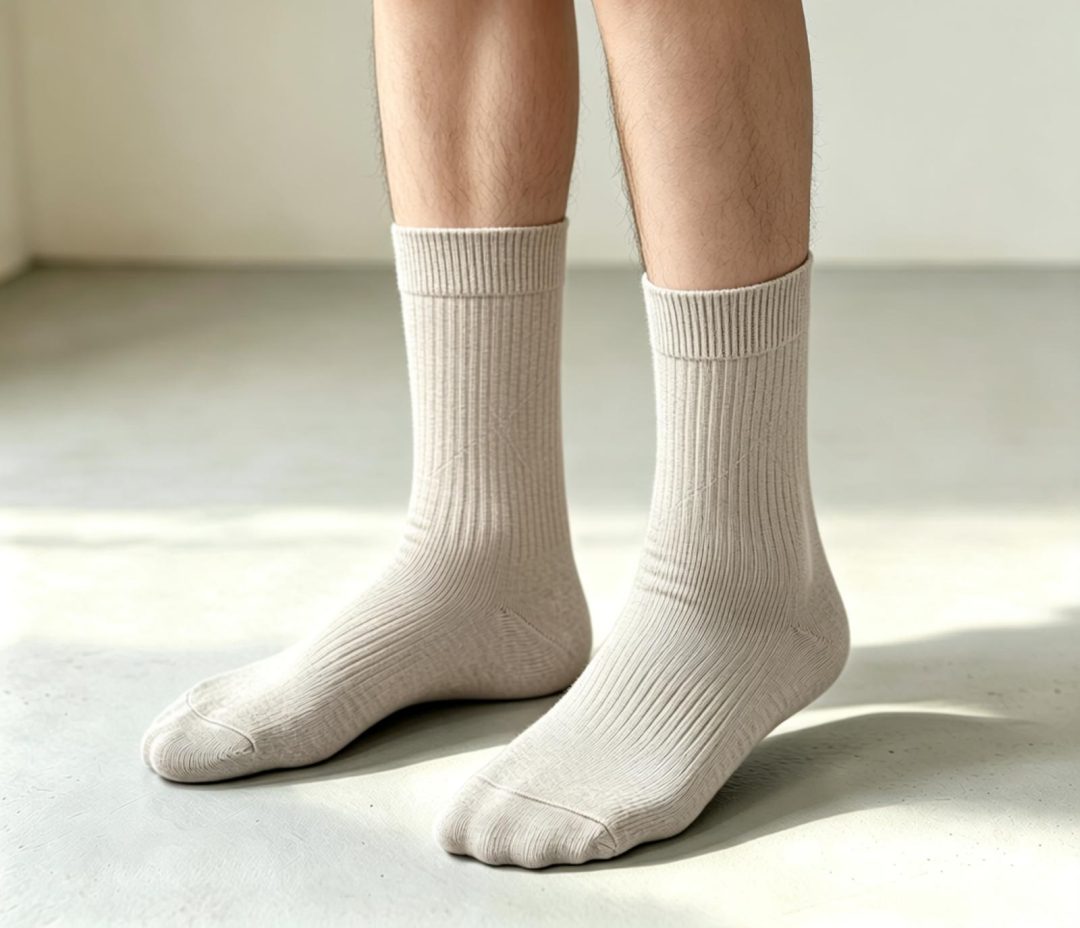
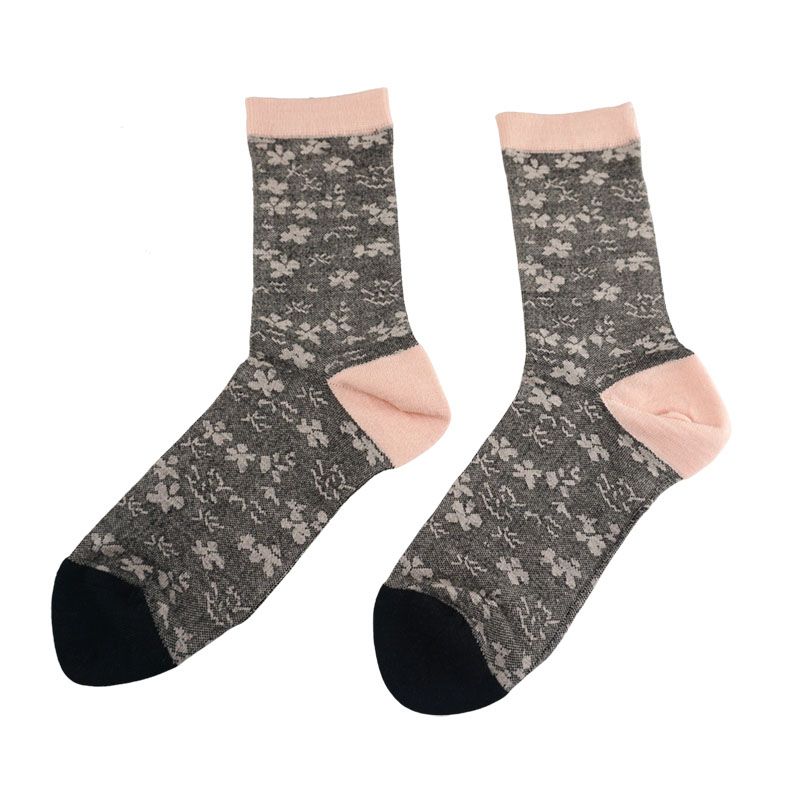
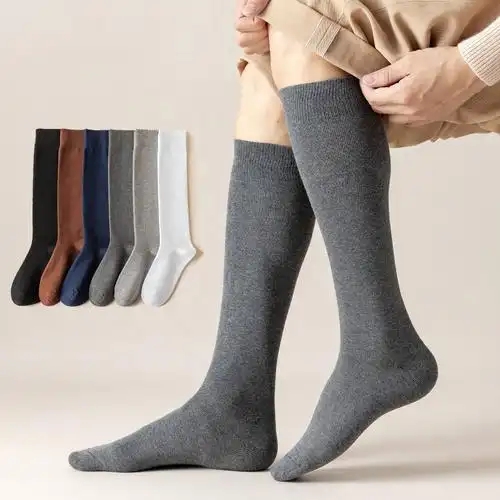
Wool is the original performance fiber — temperature-regulating, moisture-managing, odor-resistant — and wool socks remain the premium tier of the hosiery market. But “wool sock” spans everything from $4 scratchy tubes to $25 cloud-soft merino, and the difference is made in the factory, not the marketing. Here is how wool socks are actually manufactured, and where quality is won or lost.
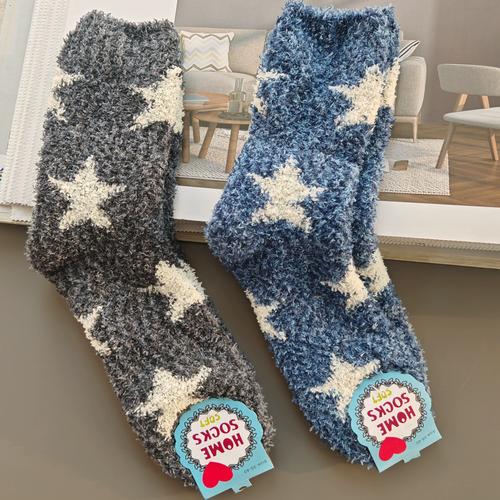
You will see every step below in wholesale thermal socks, where sampling runs before bulk production and MOQ starts at 100 pairs per design.
Choosing the Wool
It starts with fiber. Merino wool (typically 19–23 micron fiber diameter) delivers the soft, non-itch comfort premium socks are known for — the finer the micron, the softer and more expensive the sock. Standard or “lambswool” grades cost less but itch more, suitable for outdoor work socks where durability trumps delicacy. The next critical spec is superwash treatment: wool processed to be machine-washable without shrinking or felting. Non-superwash wool demands hand-washing — fine for artisan positioning, fatal for mainstream retail.
Blending for Durability
Almost no quality wool sock is 100% wool. Pure wool abrades quickly at heel and toe, so performance blends combine 60–80% wool with nylon (10–35%) for wear resistance and a small elastane percentage for fit recovery. The blend ratio is the price-performance lever: more wool means more comfort and higher cost; more nylon means longer life. Workwear and hunting socks run wool-heavier with reinforcement; everyday premium socks sit around 65–75% wool.
Spinning and Yarn Preparation
Wool arrives at sock factories as spinning-oriented yarn (usually already spun at specialized mills): worsted-spun for smooth, strong, fine yarns, or woolen-spun for loftier, warmer, fuzzier character. Yarn is conditioned in climate-controlled rooms before knitting, because wool’s natural moisture content affects tension and stitch formation. Factories knitting wool and acrylic on the same machines without humidity management produce inconsistent gauge — an invisible defect that shows up as sizing drift.
Knitting Wool on Specialized Programs
Wool knits differently than synthetics: less elastic yarn requires adjusted machine tension, and cushioned terry zones (the signature of premium wool socks) are programmed at heel and sole. Jacquard patterns in wool create classic fair-isle and Nordic designs — the heritage aesthetic of the category. Gauge (needle count) determines fabric fineness; fine-gauge merino socks feel like dress socks, while low-gauge chunky knits deliver maximum warmth.
Finishing: Where Wool Quality Is Finalized
After knitting, wool socks are washed to remove spinning oils, then dried and boarded at carefully controlled temperatures — heat discipline is everything in wool finishing, as excessive heat causes felting and shrinkage. Anti-pilling treatment addresses wool’s tendency to pill on the surface (premium yarns with longer staple fibers pill much less naturally). Finally, socks are stabilized to their labeled dimensions; a wool sock that shrinks after one wash was never properly finished.
Quality Control Specific to Wool
Wool QC checks: micron verification against spec (fiber content claims must be accurate for labeling law), wash shrinkage within tolerance (a legal labeling matter in many markets), pilling grade, and colorfastness — natural-dye and heather effects need particular care. Certifications matter commercially: RWS (Responsible Wool Standard) for animal welfare and land management, mulesing-free declarations, and OEKO-TEX for chemical safety are now standard documentation requests from serious buyers.
We handle the adjacent decision in 12 Fuzzy Socks Design Ideas Customers Can’t Resist.
FAQ
Q: Are 100% wool socks better than wool blends? A: For comfort perhaps, for durability no — nylon reinforcement at heel and toe can triple the lifespan of a wool sock. The best everyday products are 65–75% wool blends.
Q: Why are some wool socks itchy and others soft? A: Fiber diameter: coarse wool (25+ microns) itches, merino (19–23 microns) does not. The micron spec is the single determinant of softness.
Q: Can wool socks go in the washing machine? A: Superwash-treated wool socks can; untreated wool requires hand-washing. Check the finishing spec, not just the fiber content.
CONCLUSION
Wool socks reward buyers who look past the word “wool” to the details that matter: micron count, superwash treatment, blend ratios and finishing discipline. Specify those four things and the factory produces premium warmth; assume them, and the market will teach you the difference through reviews.
Ready to price this out? Start with a sample from Sockmader’s custom sock manufacturing team, or send your artwork and target quantity for a quote.
If you are planning your own line, our custom thermal socks program covers sampling, MOQ and lead times in one place.