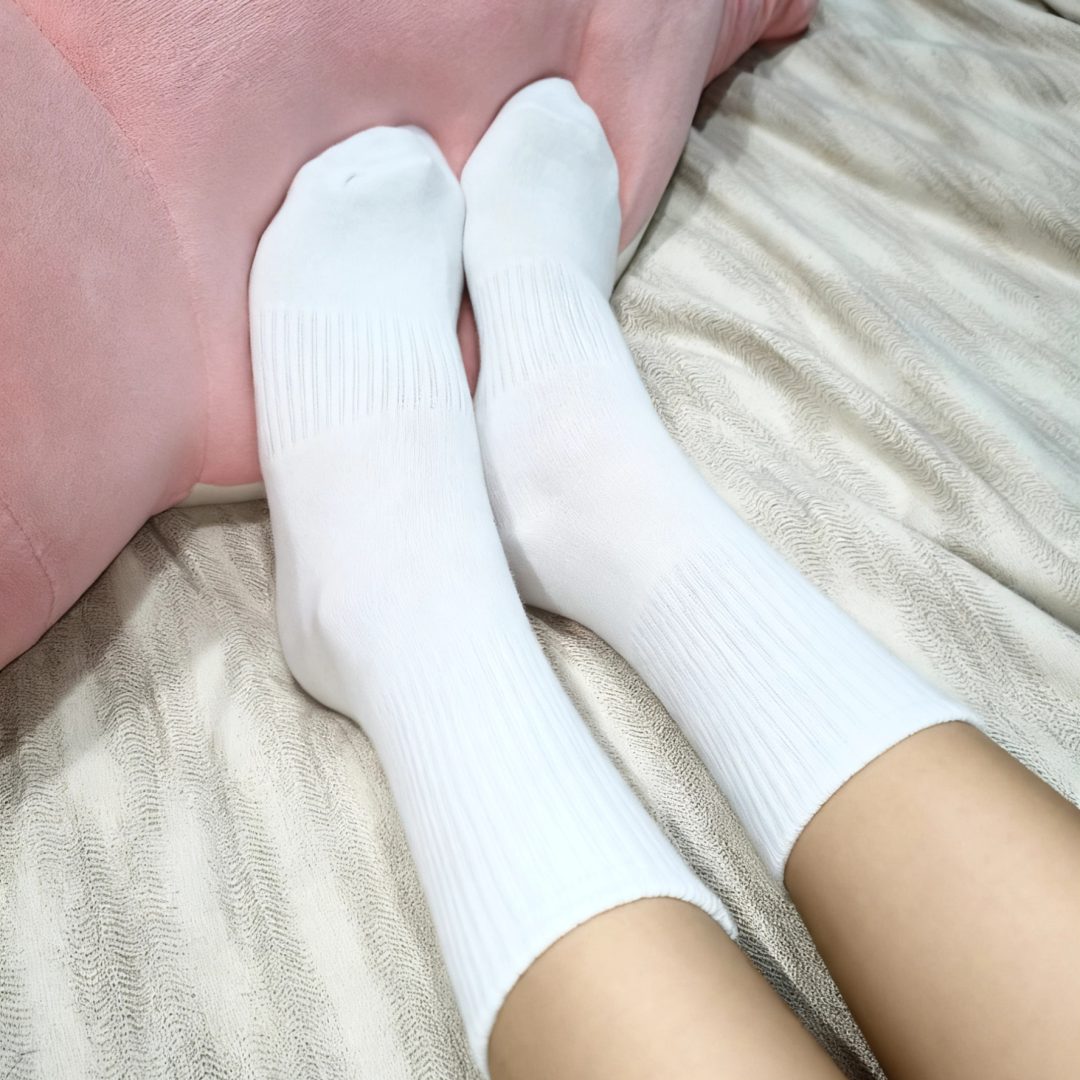
Crew socks are where most custom sock brands start, which means most buyers under-spec them: they order “a crew sock with our logo” and get a generic tube with a cuff. This guide lists the specifications that actually define a quality custom crew, so a PO gets exactly what the brand intends. The logo is the last 5% of the product; the rib, heel, yarn and cushion are the 95% the wearer feels every day. Spec those first.
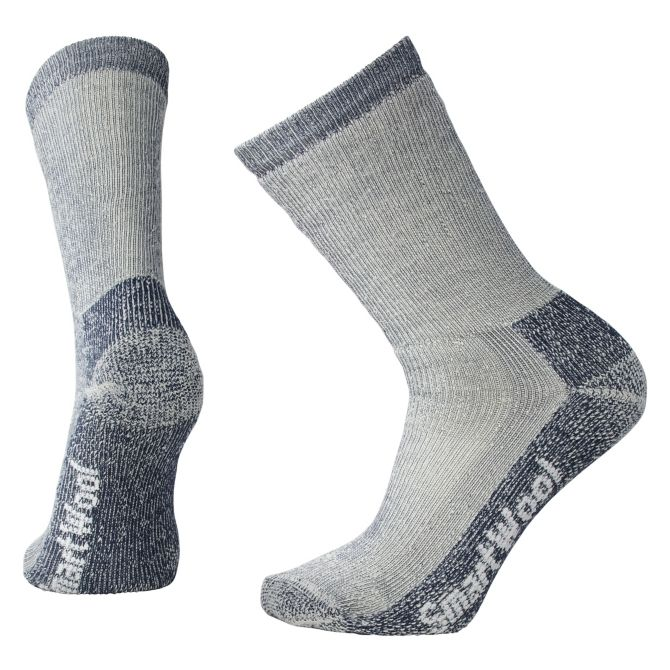
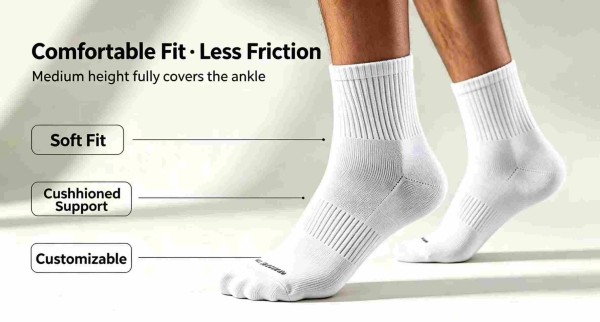
Every specification in this guide is adjustable through wholesale crew socks, from yarn and gauge to cushioning and packaging.
The Must-Spec List – Rib: 2×2 (stay-up) vs 1×1 (fashion-light). – Heel: Y-heel (shaped) vs straight. – Toe: linked (flat) vs flat-seam. – Cushion: none / sole-only / full-terry. – Yarn: combed cotton blend, merino blend, or synthetic. – Length: true mid-calf (typically 18–22 cm from heel). Each line changes cost and feel. A brand that omits them gets the factory default — which is rarely the premium choice and often the cheapest build.
Yarn and Weight Standard crew: 70–80% combed cotton, 17–28% polyamide, 2–3% elastane. Merino crews for premium. Weight 120–180 g/m²; heavier for winter, lighter for year-round. Specify the blend and weight, not just “cotton,” because the polyamide is what makes the heel and toe survive and the elastane is what holds the cuff.
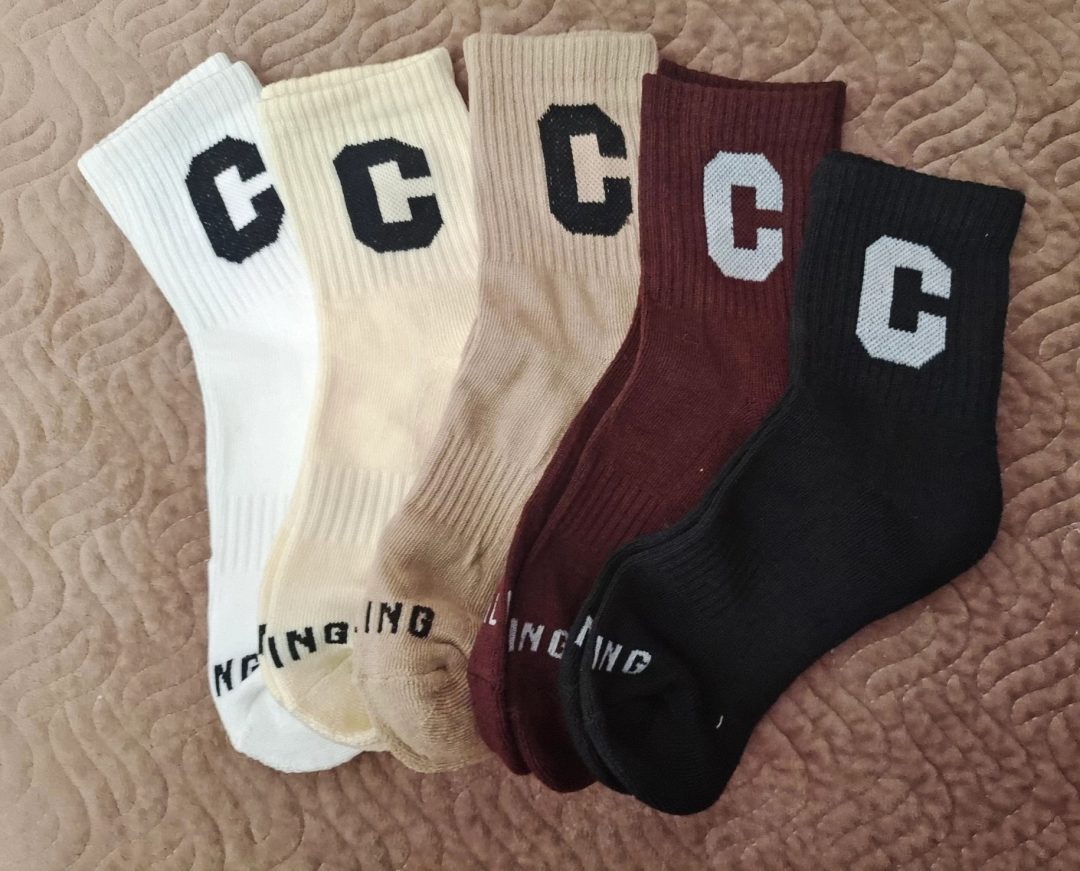
Customization Logos go in the cuff (jacquard or embroidery) or as a side jacquard. Jacquard is durable and MOQ-friendly (~300); embroidery is crisp but slower and pricier. Confirm logo contrast against the sock base — a dark logo on a dark sock is invisible and a common miss. We supply a stitch-proof of the logo before the run.
MOQ and Lead Time Custom crew socks: MOQ ~50pairs/color/design. Lead time 5–25 days. Sample first — the rib, heel and logo placement are the three things to sign off. For a first run, one color with the logo locked is wiser than three colors guessed.
We handle the adjacent decision in Crew Socks Benefits.
FAQ
Q: What’s the single most important spec? A: The 2×2 rib + Y-heel combo — it decides whether the sock stays up and fits. Everything else is secondary to that. Q: Jacquard or embroidery for the logo? A: Jacquard for durability and lower MOQ; embroidery for a crisp premium mark on a hero SKU. Q: How much cushion for an everyday crew? A: Sole-only or none; full terry is for sport, not daily wear, and adds bulk in a shoe.
Sample Sign-Off Checklist Sign off the sample on five points before bulk: – Rib stays up after 50 flexes (2×2 confirmed, not 1×1). – Y-heel shapes to the form without twist. – Linked toe is flat inside (no ridge the wearer feels). – Cushion matches the spec (none / sole-only / full-terry). – Logo contrast reads against the sock base color. Only when all five pass do we cut the bulk run. A sample signed off on look alone — not these five — is how crews ship wrong. We ticket the sample with this checklist so nothing about the fit is assumed, and the buyer signs the same sheet weQC against.
MOQ and Reorder Logic Custom crew starts around 300 pairs per color/design, which is low enough to test a color without overcommitting. For reorders, reorder the best-selling color before it stocks out rather than the whole set, and keep the logo locked so the cuff brand stays identical across runs. We flag the top mover from sales data and suggest a forward reorder so the program never gaps on its hero SKU. This discipline turns a one-time launch into a standing, predictable program the buyer stops worrying about — and predictable reorders are what make a sock line worth running for a supplier.
CONCLUSION
A custom crew lives or dies in the spec sheet. Pin rib, heel, toe, cushion and yarn, sample it, and the logo lands on a sock people actually want to wear — which is what turns a first order into a standing program.
When you are ready to produce, Sockmader’s custom sock manufacturing team covers sampling, MOQ and lead times in one place.
Start your next order with custom crew socks from Sockmader — send artwork, size range and target quantity for a quote.