If a custom sock brand could only make one style, it should be the crew. The mid-calf length is the most worn, most gifted and most brandable sock in the market. This article explains the benefits that make crew socks the default for custom and wholesale programs — and where they are not the right call. The benefit story is really a risk story: the crew is the lowest-risk style to launch, which is why it anchors nearly every new sock brand’s first line.
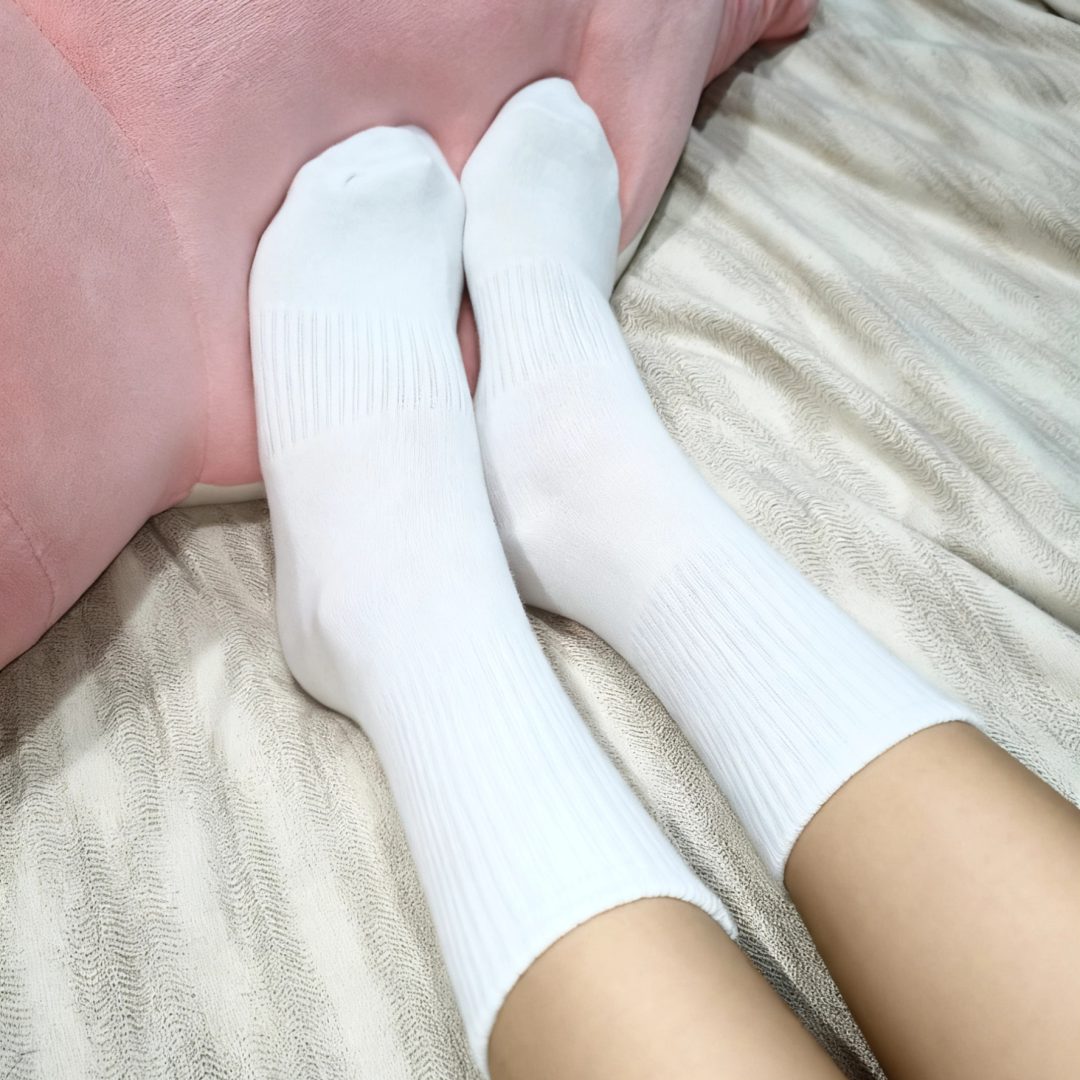
You get these same benefits through custom crew sock range, with yarn and construction tuned to your target price point.
Versatility Across Outfits Crew socks sit mid-calf, so they work with jeans, chinos, shorts and athletic shoes without showing skin or overwhelming the look. Ankle socks limit to shorts; OTC socks read athletic or formal. Crew is the neutral that sells to the widest audience — critical for a new brand with unknown demand. A crew works in a boardroom and a basketball court, which no other length does.
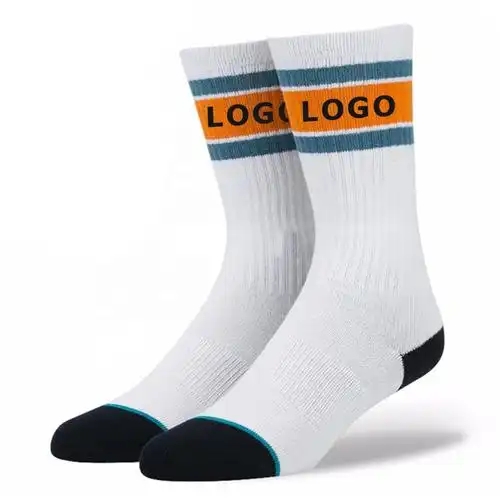
The Best Branding Canvas The cuff is a large, flat, always-visible area perfect for a jacquard logo or stripe. Unlike a tiny ankle tag, a crew cuff brand reads clearly in photos and in person. Most sock brands build identity on the crew cuff for this reason — it is the one place on the sock where a mark is both visible and unobtrusive. A strong cuff brand is what makes a sock recognizable in a drawer of whites.
Fit and Stay-Up A 2×2 rib and Y-heel give crew socks reliable all-day stay-up without a tight band — the fit buyers rank highest. Tube socks (no heel) twist; ankle socks creep; crew balances security and comfort. For everyday wear, this fit is the difference between a sock you forget and a sock you fight. We test stay-up on every crew run because a slouching cuff is the fastest route to a returned product.
Season-Spanning A standard-weight crew works spring through fall; a terry crew covers winter. One style, two weights, year-round sales. This reduces SKU count versus stocking separate seasonal lengths and simplifies inventory for a wholesale buyer. A brand can launch one crew and extend it with a winter weight rather than a new style.
Where Crew Is Wrong For hidden wear in low shoes, ankle/no-show beats crew. For athletic protection, OTC cushion beats crew. Crew is the everyday default, not the specialist. Knowing this boundary stops a brand from forcing crew into a use where a different length performs better.
Crew Socks Design Ideas picks up where this article leaves off.
FAQ
Q: Why do most custom sock brands start with crew? A: Widest audience, best branding canvas, all-day fit — lowest risk for a new line with unproven demand.
Q: Crew or ankle for a lifestyle brand? A: Crew for breadth; ankle only if the brand is explicitly minimal/hidden-sock.
Q: One weight or two? A: Start with one standard weight; add a terry winter weight once base sells and demand is proven.
Crew vs the Specialist Lengths Crew is the everyday default, but know its limits. For hidden wear in low shoes, ankle or no-show beats crew — crew shows above the shoe. For athletic impact, over-the-calf cushion beats crew, which is too thin for sport. For formal wear, a finer-gauge dress crew beats a casual crew. The crew wins the middle — daily, branded, giftable — and a brand should lead with it, then add the specialists for specific use cases rather than forcing crew everywhere. Positioning crew correctly against the other lengths is what prevents a mismatch return and keeps the line coherent.
CONCLUSION
Crew socks dominate custom orders because they fit everyone, brand easily and sell year-round. For a new line, crew is the safest first style — and the hardest to get wrong, which is exactly what a launch needs.
Ready to price this out? Start with a sample from Sockmader’s custom crew socks team, or send your artwork and target quantity for a quote.