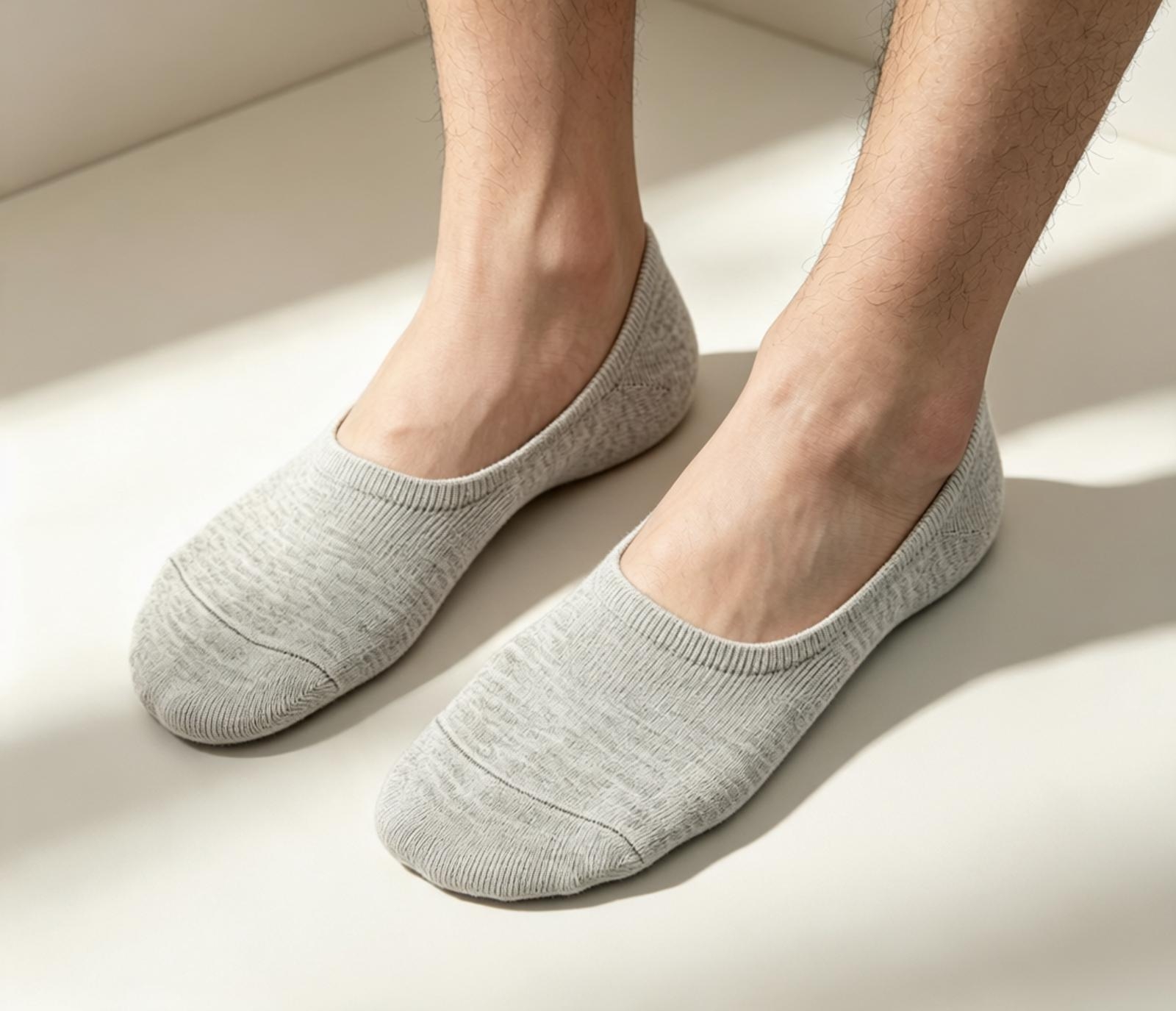
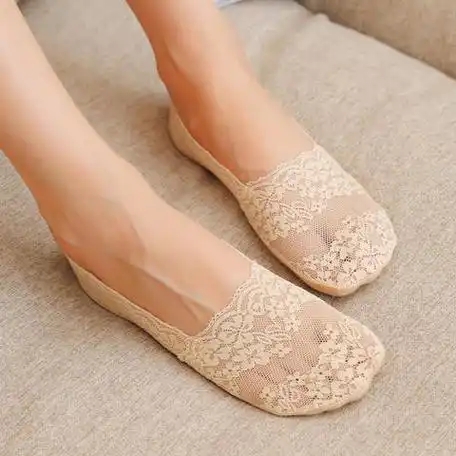
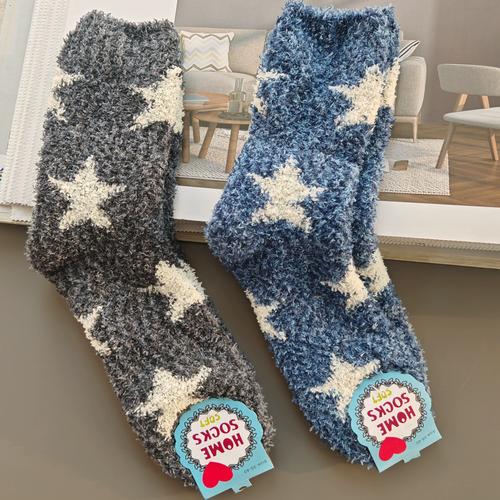
“Regular sock” in most markets means a crew: a sock that reaches mid-calf, roughly 15 to 20 cm above the heel. Ankle socks stop at or just below the ankle bone. That single difference in length cascades through everything — which shoes they work with, how warm they are, where a logo can go, and how much they cost to make. Neither is better in the abstract. Each suits a different customer and a different product strategy, and choosing correctly is one of the first decisions that shapes a sock line.
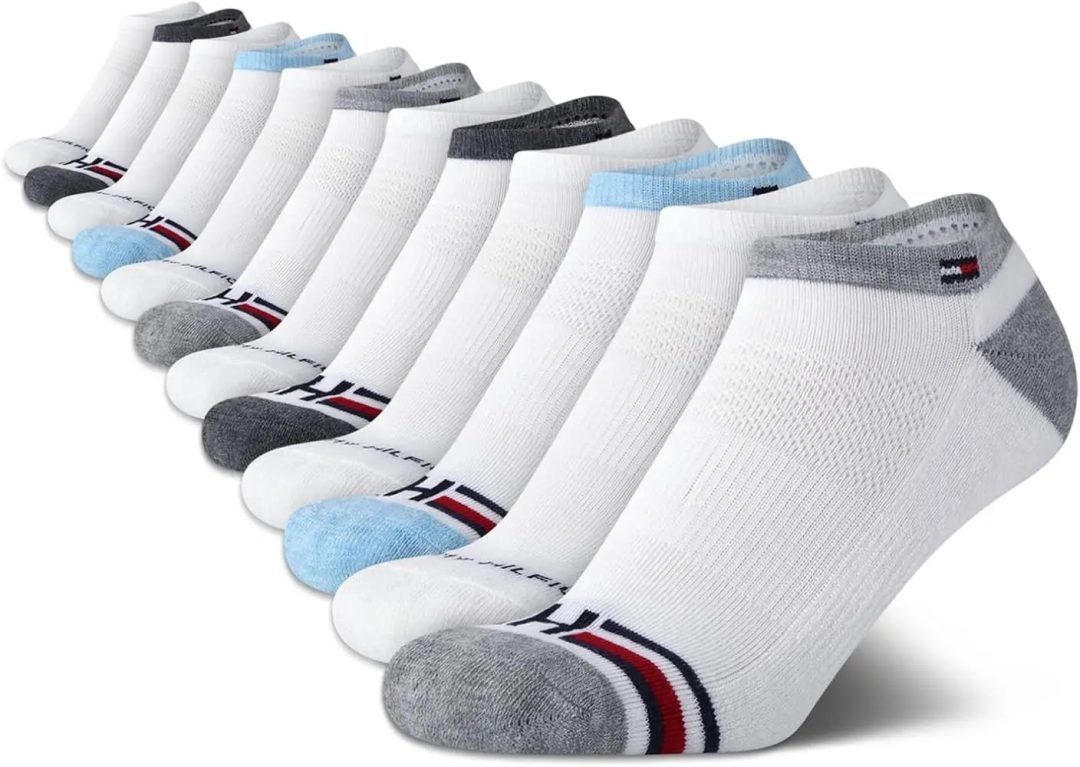
Both options are available through custom no-show sock range, and we can sample each one for side-by-side testing.
Coverage and Protection A crew sock covers the ankle and lower calf, which protects against collar rubbing from boots and high-top shoes and keeps the lower leg warm. An ankle sock leaves the ankle exposed, which is cooler in summer and better suited to low-cut footwear but leaves the Achilles vulnerable to a stiff heel counter. If your customer wears boots, the crew wins on comfort alone. If they wear trainers or loafers, the extra coverage is unnecessary fabric.
Shoe Compatibility This is usually the deciding factor. Ankle socks are designed for low-top footwear — trainers, casual sneakers, boat shoes, driving shoes. Crew socks suit boots, high-tops, and any shoe whose collar rises above the ankle. Wearing a crew sock with a loafer looks wrong to most people; wearing an ankle sock with a work boot is genuinely uncomfortable. If you know your customer’s footwear, you know their sock length.
Climate and Season Crew socks insulate a length of lower leg that ankle socks leave bare. In cold climates, or for winter ranges, that matters. In hot climates and summer ranges, the ankle sock’s reduced coverage is the point. Many brands handle this by stocking both and letting the season decide, which is also the most common reason to run two lengths rather than one.
Branding and Design Space A crew sock gives you a mid-calf canvas: room for an all-over pattern, a large jacquard motif, or a tall striped band. An ankle sock gives you a cuff and a small ankle panel. Crew socks are the better choice if the design is the product — novelty, licensed or fashion-led lines. Ankle socks are better when colour and a small mark carry the identity, because anything more complex is wasted inside a shoe.
Cost and Inventory Ankle socks use less yarn and weigh less, so unit cost and freight per pair are lower. Crew socks cost more per pair but command a higher retail price, because customers perceive more product. Margin percentage is usually similar; the difference is in working capital. Ankle socks let you hold more units and more colours for the same money, which suits a colour-driven range.
Which to Launch First For a first collection, ankle socks carry less risk. They fit the footwear most customers already own, they are cheaper to sample, and a wider colour range can be held for the same capital. Crew socks are the better second launch, particularly for gifting, corporate and cold-weather ranges where the extra length justifies a higher price. Brands that sell both usually find crew socks take the gifting season and ankle socks take the rest of the year.
How Are No-Show Socks Made? picks up where this article leaves off.
FAQ
Q: Can one sock serve both purposes? A: Not well. Mid-length quarter socks are a compromise, and compromises usually satisfy neither customer.
Q: Which sells better online? A: Ankle socks by volume; crew socks by average order value, since they are more often bought as gifts or multi-packs.
Q: Do crew socks stay up better? A: Yes — a longer upper gives the rib more to grip. Ankle socks need a heel grip to compensate.
Q: What about quarter length? A: It sits between the two and works with high-top trainers, but it is a third SKU to manage for a smaller audience.
CONCLUSION
Ankle versus crew is really a question about your customer’s shoes. Low-top footwear, warm weather and colour-driven ranges point to ankle socks. Boots, cold weather, gifting and design-led ranges point to crew. Launch with the length that matches the footwear your customers already own, then add the other once you know what they actually buy.
When you are ready to produce, Sockmader’s custom no-show socks team covers sampling, MOQ and lead times in one place.