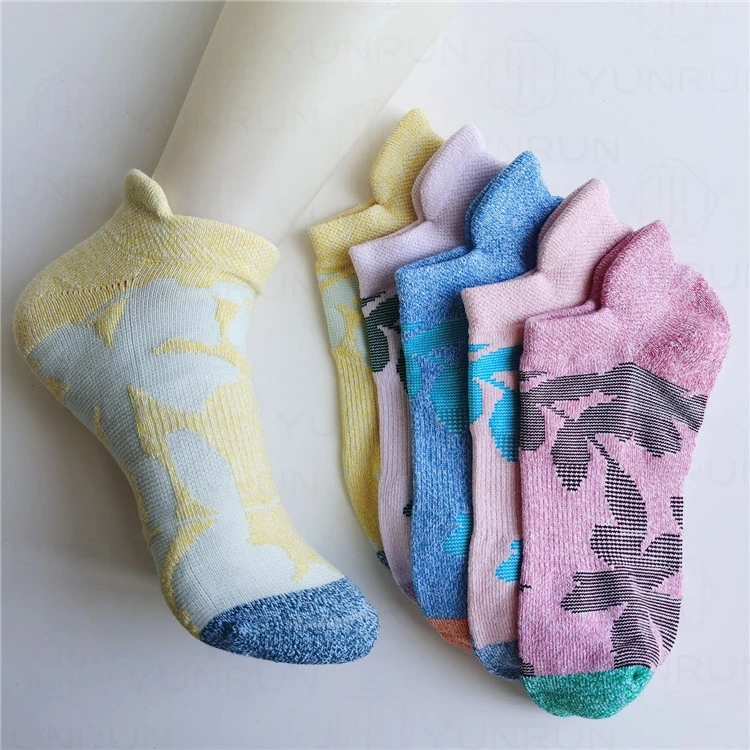
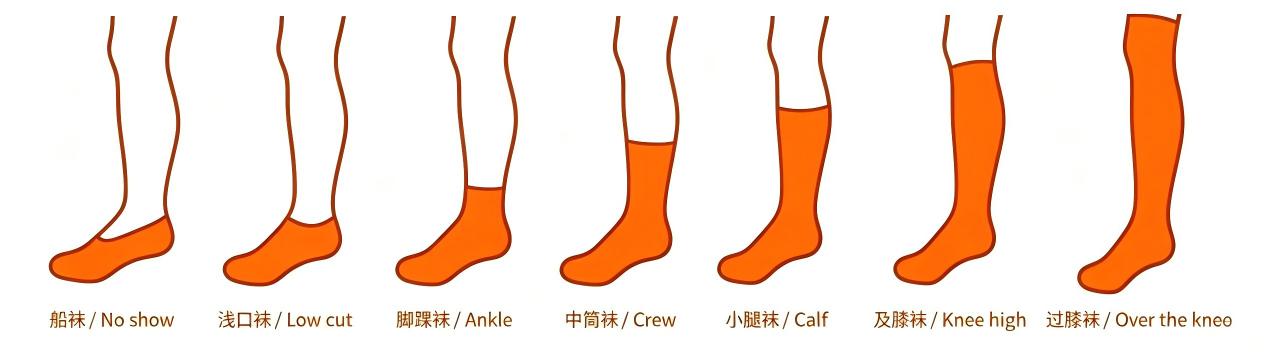
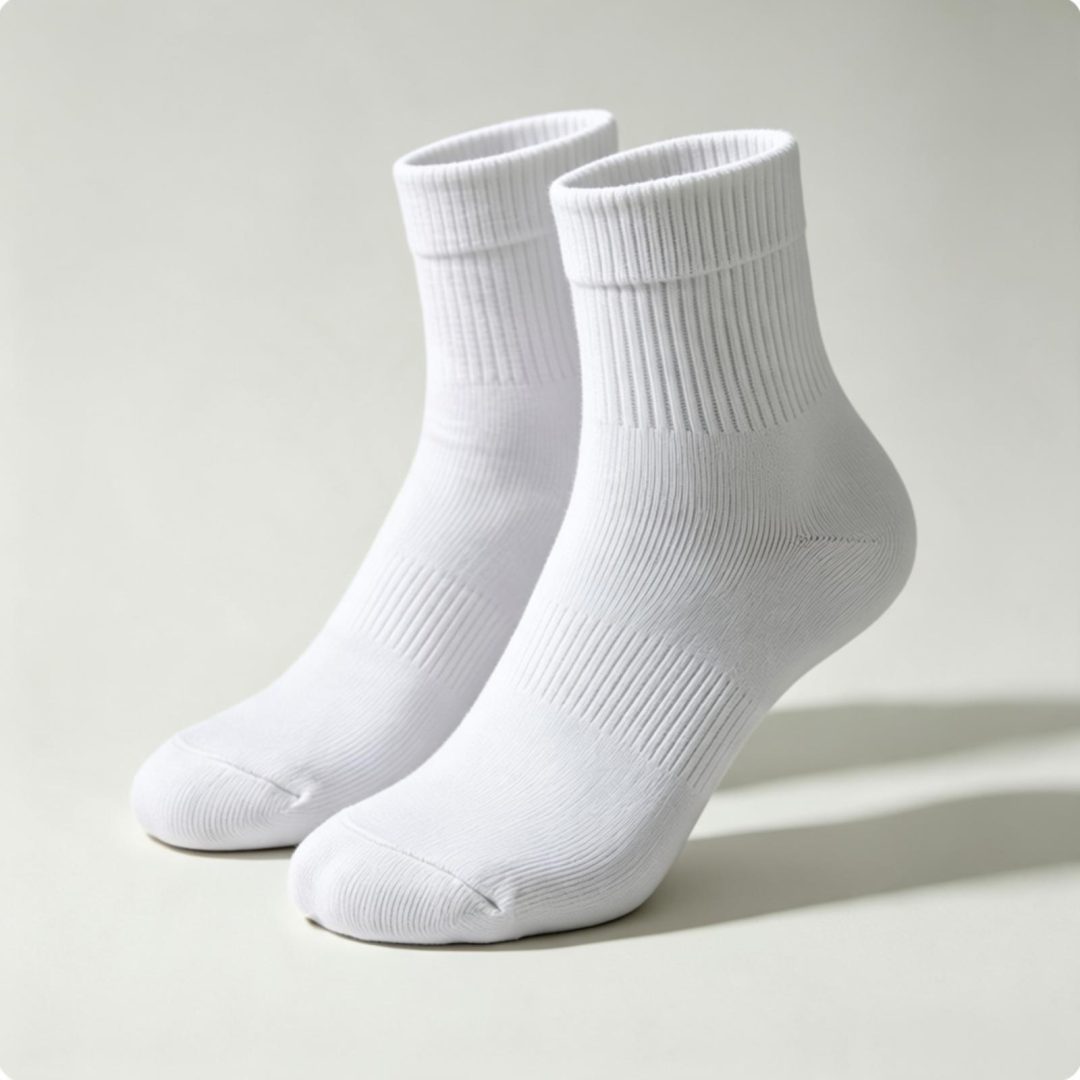
Cotton socks sound simple, but “100% cotton” is usually the wrong spec. Pure cotton socks lose shape, pill and wear fast, and the buyer who insists on 100% cotton is usually buying a sock that feels great in the shop and fails by wash ten. The quality is in the yarn preparation and the blend. This guide covers how to source cotton socks that actually last, and the five spec lines that decide whether a bulk cotton program earns reorders or returns.
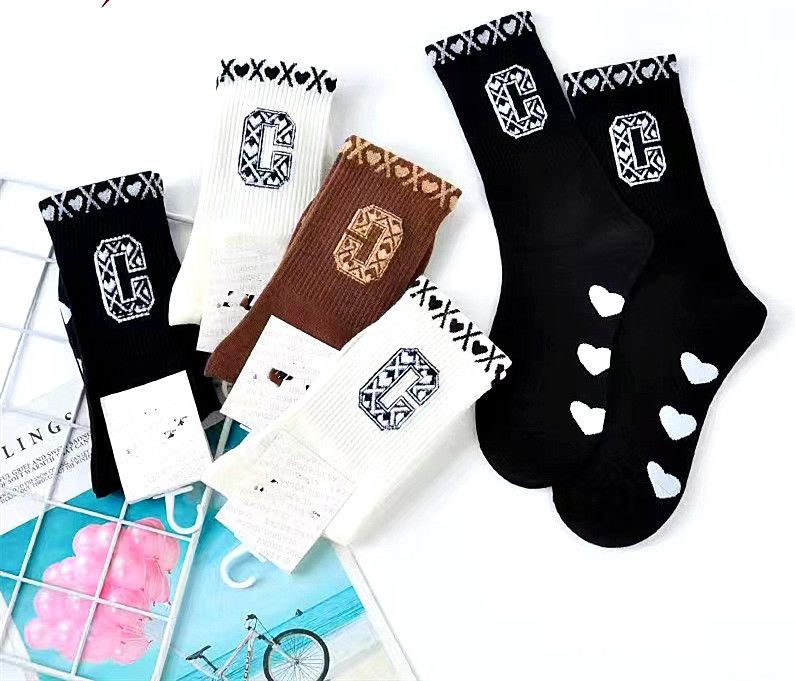
Every specification in this guide is adjustable through custom cotton sock range, from yarn and gauge to cushioning and packaging.
Combed vs Carded Cotton Combed cotton removes short fibers, leaving a smooth, strong, low-pill yarn — the standard for quality cotton socks. Carded (cheap) cotton is fuzzy, pills and wears out. Always specify combed; the price gap is small versus the lifespan gain, and the difference is visible after a handful of washes when carded yarn starts to fuzz at the heel. We comb every cotton yarn we run, because the hand of the sock is the first thing a customer feels and the last thing they forget.
Yarn Count Count (e.g. 30s, 32s, 40s) indicates fineness — higher count means finer, softer, lighter. A 32s combed cotton is a good everyday weight; 40s for finer dress-casual; lower counts (20s) are thick and rustic, better suited to a chunky casual line than to a refined one. Specify count in the PO; “cotton” alone does not set it, and a factory will default to whatever yarn is cheapest on the day. Locking the count is the cheapest way to make two orders match.
The Blend Ratio Pure cotton fails; a blend lasts. Standard: 70–80% combed cotton, 17–28% polyamide, 2–3% elastane. The polyamide carries abrasion at heel and toe; the elastane holds shape through the wash. “100% cotton” should be rejected for any sock meant to be worn rather than displayed, because cotton has almost no elasticity and will bag at the ankle by mid-morning. We publish the blend on every spec sheet so the buyer can see exactly what they paid for.
Construction and Finish Beyond the yarn, three construction choices matter: a linked (seamless) toe, a reinforced heel, and the stitch type. A linked toe removes the ridge across the toes that causes most comfort complaints. A reinforced heel doubles the life of the highest-wear zone. And the stitch — plain jersey, rib or terry — sets the hand and the warmth. We spec all three explicitly, because they are the parts of a cotton sock the buyer cannot see but will definitely feel.
Sourcing and MOQ Cotton socks: MOQ ~50 pairs per color. Require combed-yarn certification and a shade standard (white drifts most easily — lock the master and approve a lab dip). Sample for pilling (rub test) and shrinkage (≤5% after wash). Lead time 5-25 days depending on yarn availability. We recommend ordering white and dyed colors from the same master batch so the shade relationship stays consistent across the line.
Common Sourcing Mistakes Four mistakes recur in bulk cotton programs. Ordering on price alone, which lands a carded yarn that pills. Leaving the count and blend off the PO, so two orders arrive with different hands. Skipping the linked toe, which produces the comfort complaints that no amount of soft yarn can fix. And failing to lock a white master, so the “same” white drifts between batches to the point where pairs cannot be worn together. All four are avoidable at the brief stage, and none of them cost anything to prevent.
How Are Organic Cotton Socks Made? picks up where this article leaves off.
FAQ
Q: Why not 100% cotton socks? A: They lose shape, pill and hole fast; the polyamide blend is what makes them wearable and worth buying.
Q: Combed or carded cotton? A: Combed always for quality; carded is the budget compromise that shows up as fuzz and pilling.
Q: What count for everyday cotton socks? A: 32s combed is the versatile standard; 40s for a finer, lighter feel on a dress-casual sock.
CONCLUSION
Cotton socks are defined by combed yarn, a sensible blend and a locked shade — not by “100% cotton.” Spec those three, plus a linked toe and a reinforced heel, and the sock stays soft and shaped wash after wash, which is what turns a first order into a standing program.
To move from plan to order, send artwork, size range and quantity through Sockmader’s custom cotton socks team.