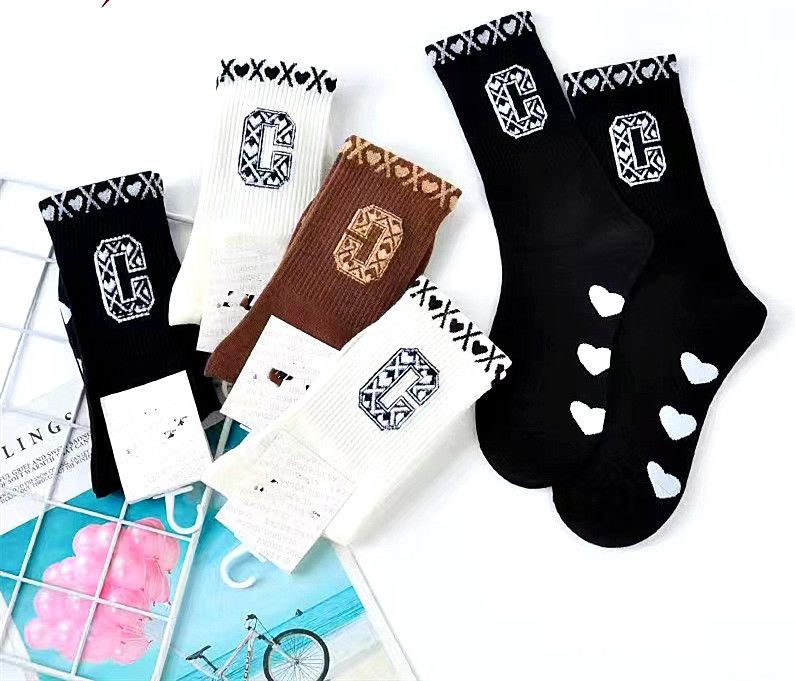
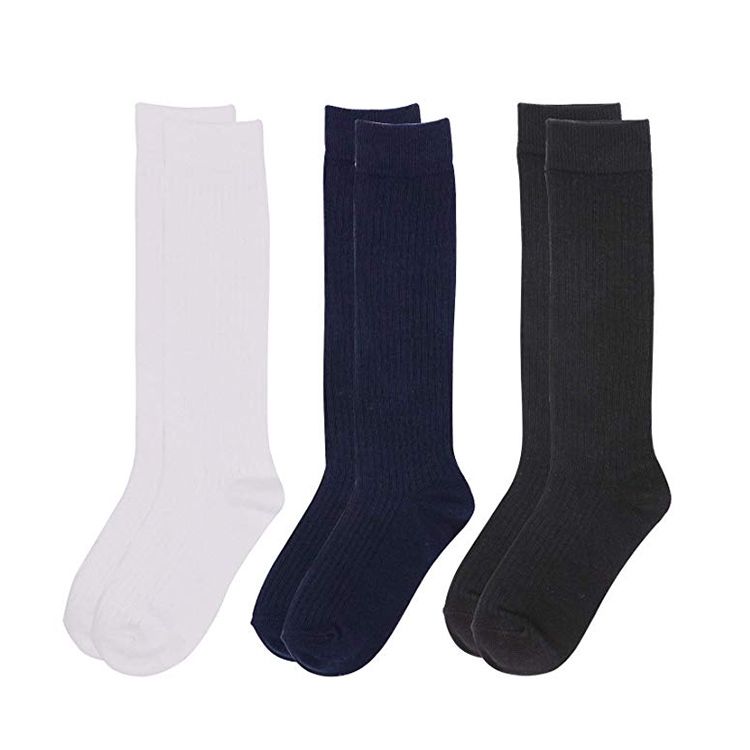
“Organic cotton socks” is a supply-chain claim, not just a material. The organic part is certified from farm to finished sock under standards like GOTS (Global Organic Textile Standard), and a sock is only as credible as the documentation behind it. This article explains how they are made, what the certification actually guarantees, and what it does not — so a buyer can market the product honestly rather than over-claiming and risking the kind of challenge that ends a retail listing.
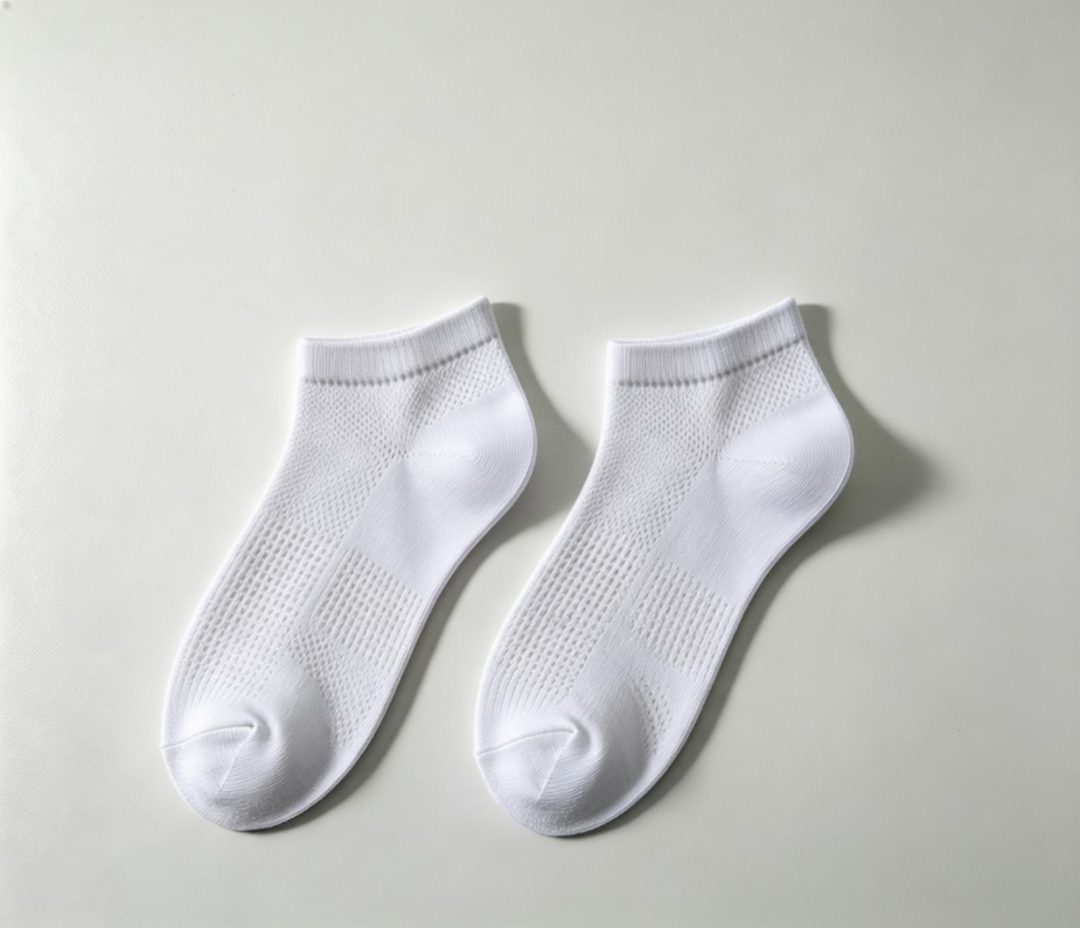
You will see every step below in cotton sock manufacturing, where sampling runs before bulk production and MOQ starts at 50 pairs per design.
The Certified Supply Chain Organic cotton is grown without synthetic pesticides or fertilizers, then tracked through ginning, spinning and knitting under a chain-of-custody. GOTS requires a high organic share (≥70% for the “made with organic” label, 95% for “organic”) and audits each stage. A sock is only “GOTS” if the whole chain is certified — not just the fiber — which is why a supplier’s certificate number matters more than a marketing line on a hangtag.
Combed, Low-Impact Yarn The organic cotton is combed for a smooth, pill-resistant yarn (the same quality logic as conventional cotton, applied to a certified fiber). Low-impact, non-toxic dyes are required by GOTS, and heavy-metal fixatives are banned outright. The result is a softer, skin-safe finish suited to sensitive users and kids, and one that holds up to scrutiny from retailers with restricted-substance lists.
Knitting and Finishing Knitting is identical to conventional cotton socks — circular machine, rib top, heel, linked toe — but the yarn and every dye or auxiliary must be GOTS-approved, and the line is typically run on a dedicated or cleaned schedule to avoid contamination. Boarding and finishing avoid prohibited chemicals. The sock is then labeled with the certification, and the transaction certificate travels with the shipment so the buyer can prove the claim downstream.
What GOTS Guarantees – No synthetic pesticides or fertilizers in farming – Low-impact, non-toxic dyeing and finishing – Social compliance in manufacturing – A traceable chain of custody from farm to finished sock It does not guarantee thickness, cushion or fit — those are separate specs you still set, and a certified sock built badly is still a bad sock.
Sourcing Notes Organic cotton socks cost more (certified fiber plus audit, plus smaller production runs) and MOQ is often higher (50–100 pairs). Require the certificate number and a current transaction certificate, and verify them against the issuing body. Sample for hand and shade like any cotton sock, because certification says nothing about whether the fit is right. We lock the same quality details on organic runs — combed, blend, linked toe, reinforced heel — so the certified version performs as well as the conventional one.
Certification Pitfalls Three traps catch buyers new to organic. The first is a supplier showing a certificate for the fiber rather than the finished sock — only the finished-goods scope certifies the sock. The second is an expired or mismatched certificate number, which is why we verify against the issuing body before quoting. The third is assuming certification covers performance: it does not, and an organic sock with no reinforced heel will still hole at the heel. Ask for the scope, check the number, and keep specifying the physical quality separately.
If that is settled, the next question is usually answered in Cotton Socks Design Ideas.
FAQ
Q: GOTS or just “organic cotton”? A: GOTS is the credible standard; “organic cotton” without a certificate is unverifiable and risky to market.
Q: Softer than regular cotton? A: Often yes — low-impact processing and combed yarn give a smooth hand, though softness is not itself certified.
Q: Why the higher cost? A: Certified fiber, audited chain, compliant dyeing and smaller runs all add cost that is visible in the quote.
CONCLUSION
Organic cotton socks are a certified chain from GOTS farm to finished knit — low-impact, traceable and skin-safe. Spec the certificate number and the same quality details as any cotton sock, and the certification becomes a real advantage instead of a claim waiting to be challenged.
Ready to price this out? Start with a sample from the Sockmader custom sock factory, or send your artwork and target quantity for a quote.
If you are planning your own line, our custom cotton socks program covers sampling, MOQ and lead times in one place.