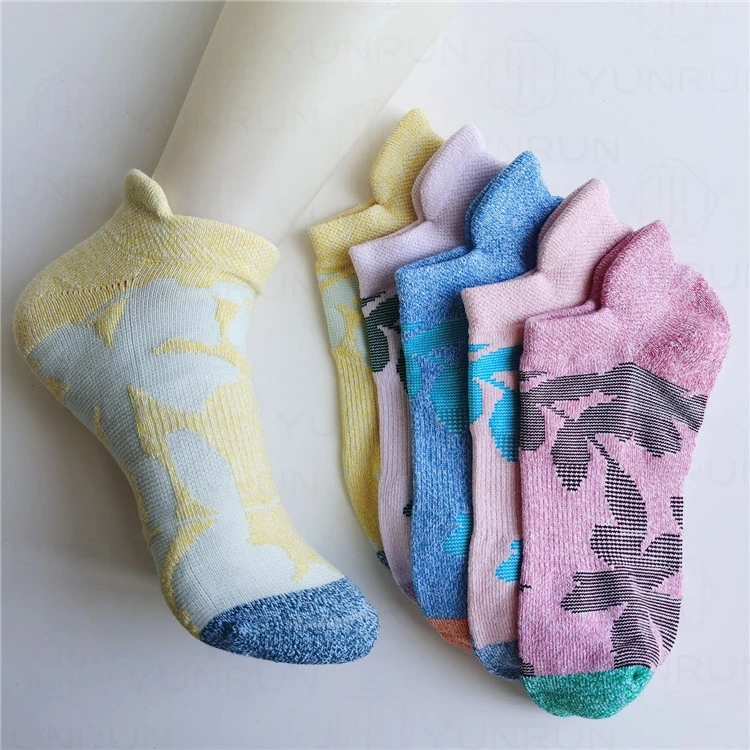
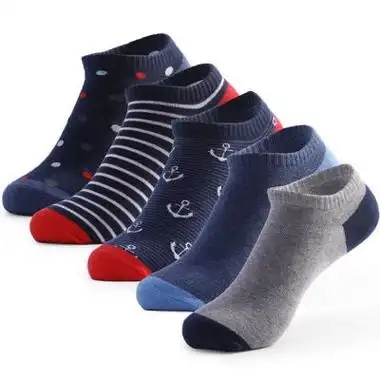
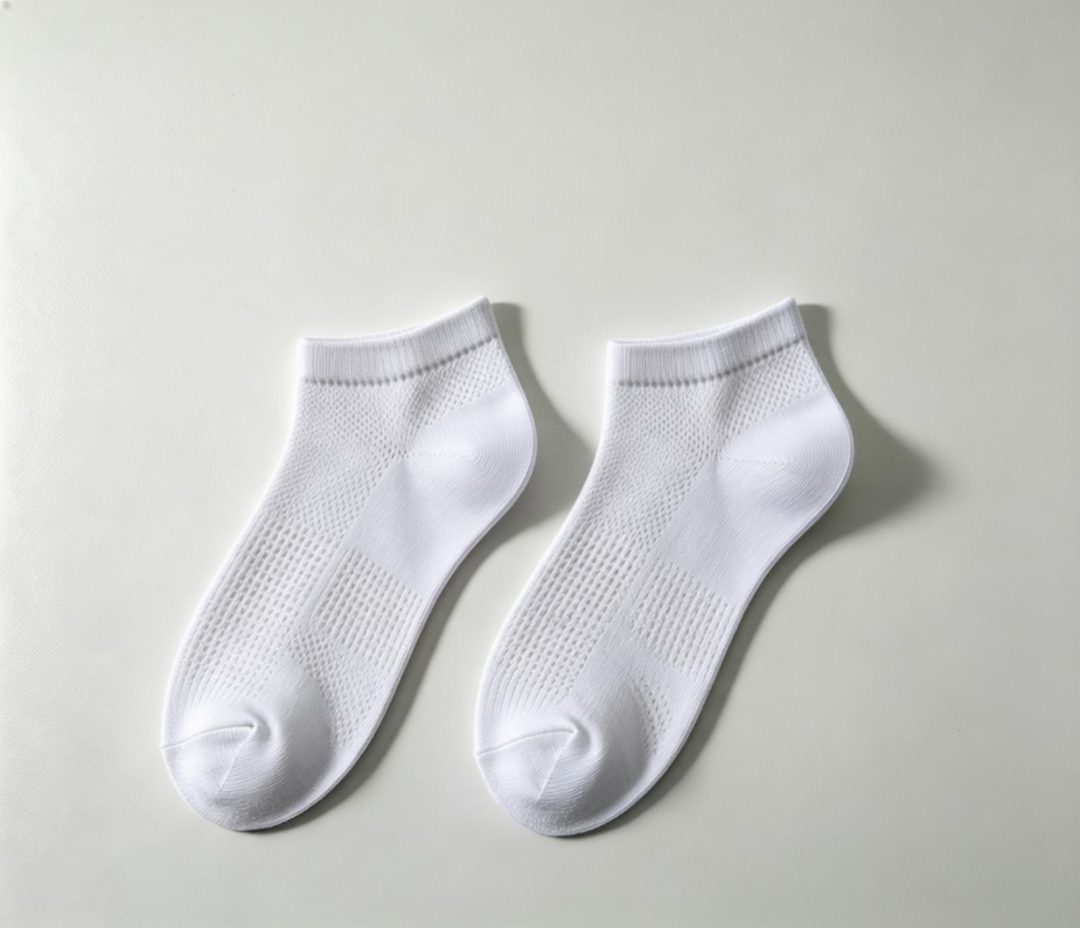
Cotton socks are the least glamorous product in the drawer and one of the most commercially reliable. Everybody wears them, everybody replaces them, and the category turns over steadily regardless of fashion. But it is not static. Five shifts are currently reshaping what sells, and each of them is a specification decision rather than a styling one — which is exactly why they matter to anyone buying or building a range.
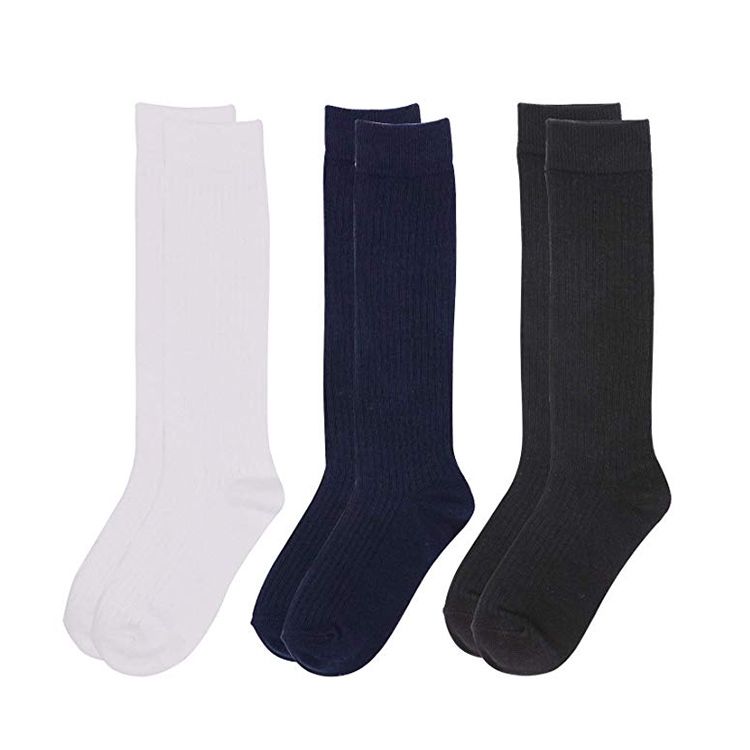
These directions are already running through cotton sock manufacturing, and new styles can be sampled in roughly two weeks.
Organic Certification Has Gone Mainstream Organic cotton was a niche premium five years ago and is now a mainstream expectation, particularly in Europe and among younger buyers. GOTS certification is the standard that carries weight, because it covers the entire chain from farm to finished garment rather than just the fibre. The practical consequence for buyers is that uncertified “organic cotton” claims are increasingly risky, both commercially and from a compliance standpoint. Certification documents should be requested at the sourcing stage, not at the marketing stage.
Texture Has Replaced Novelty Novelty graphic socks had a long run and have settled into a smaller niche. What has grown in its place is texture: ribbed constructions, waffle knits, terry loops used visibly rather than hidden, and slub yarns with irregular character. Texture reads as quality in a way that a printed graphic does not, and it photographs well in the flat-lay and on-foot imagery that drives online conversion.
Tonal Palettes Over Primary Colours Bright multipacks are giving way to curated tonal sets — three or four shades within one family, sold together. Ochre, clay, sage, slate, ecru and charcoal dominate. This shift is commercially useful because tonal sets justify a higher price per pair than a commodity multipack, while costing essentially the same to produce. It also makes reorders simpler, since a tonal palette tolerates small dye variations better than a precisely matched bright colour.
Visible Quality Construction Customers have become more literate about construction. Hand-linked toe seams, reinforced heels, and yarn composition percentages are now things buyers look for and mention in reviews. Brands are responding by putting construction details on the packaging and in product copy. The implication for sourcing is straightforward: these details have to be real, because a claimed linked toe that turns out to be an overlock ridge generates a worse review than never mentioning it.
The Multipack Reset The commodity twelve-pair black multipack is losing share to smaller, better-made packs of three to five pairs. Volume has shifted rather than disappeared, and the average price per pair has risen. For brands this is a favourable trend — it moves the category from price competition to quality competition — but it also raises the bar on construction, because a five-pack has to justify itself against a commodity alternative on every pair rather than on average.
Sustainability Beyond the Fibre Recycled polyester and nylon in blends, reduced-water dyeing, and plastic-free packaging are all now part of the conversation. Recycled content in the synthetic portion of a cotton blend is the easiest win, because it does not change the hand feel or the production process. Plastic-free packaging — kraft bands rather than polybags — is a visible signal that costs very little.
If that is settled, the next question is usually answered in Best Material for Cotton Socks.
FAQ
Q: Is organic cotton worth the premium? A: For European and premium retail, yes — certification is a purchase driver. For commodity volume, it depends on the channel.
Q: Are novelty socks dead? A: No, but the growth has moved to texture and tonal design. Novelty is now a smaller, more seasonal niche.
Q: What colours should a tonal range carry? A: Build one palette of four or five shades — a neutral, a mid-tone, an accent and a dark — and repeat it across the range.
Q: Does recycled content affect quality? A: Not measurably in the synthetic portion of a blend. It is the lowest-risk sustainability change available.
CONCLUSION
Cotton socks are being reshaped by certification, texture, tonal colour, visible construction quality and a shift from commodity multipacks to smaller curated sets. All five point in the same direction: fewer, better socks sold at a higher price per pair. For buyers, the practical response is to specify construction honestly, certify the fibre claims, and build ranges around a single coherent palette.
When you are ready to produce, the Sockmader custom sock factory covers sampling, MOQ and lead times in one place.
Start your next order with custom cotton socks from Sockmader — send artwork, size range and target quantity for a quote.