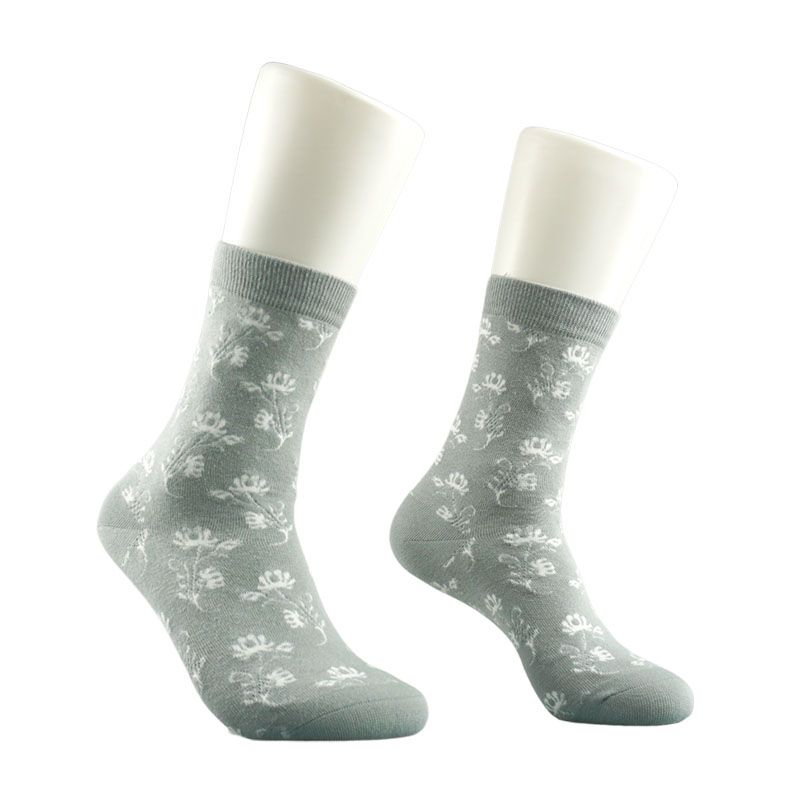
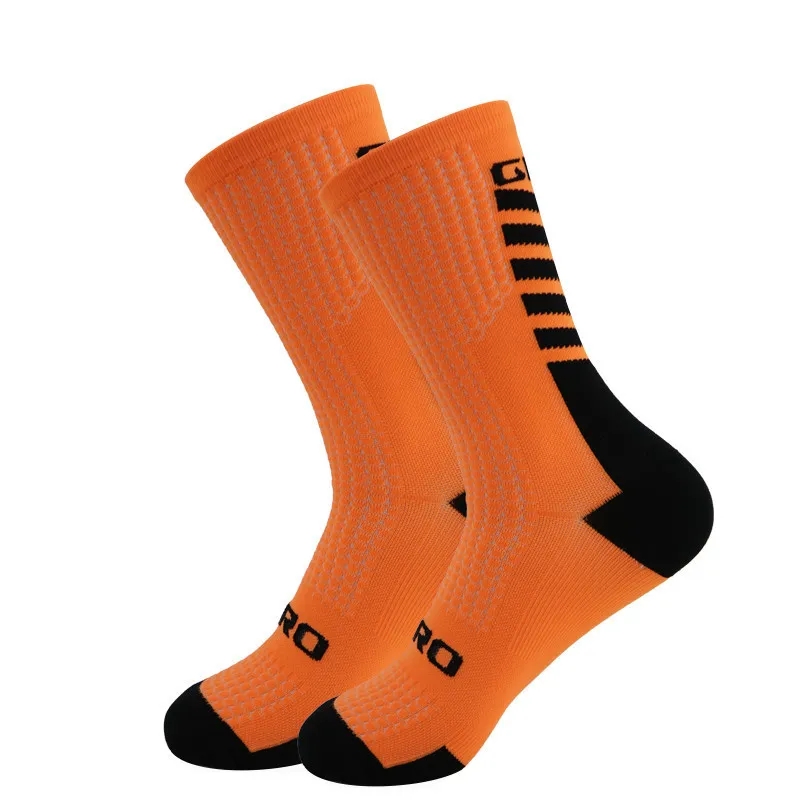
If you are sourcing custom camo socks, the most common mistake is asking for a price before there is a specification. A quote built without yarn composition, gauge and a size set is a guess, and guesses turn into disputes several weeks later. What follows covers the specification, the cost structure, the minimum per color and the calendar. The product route starts at custom camo socks.
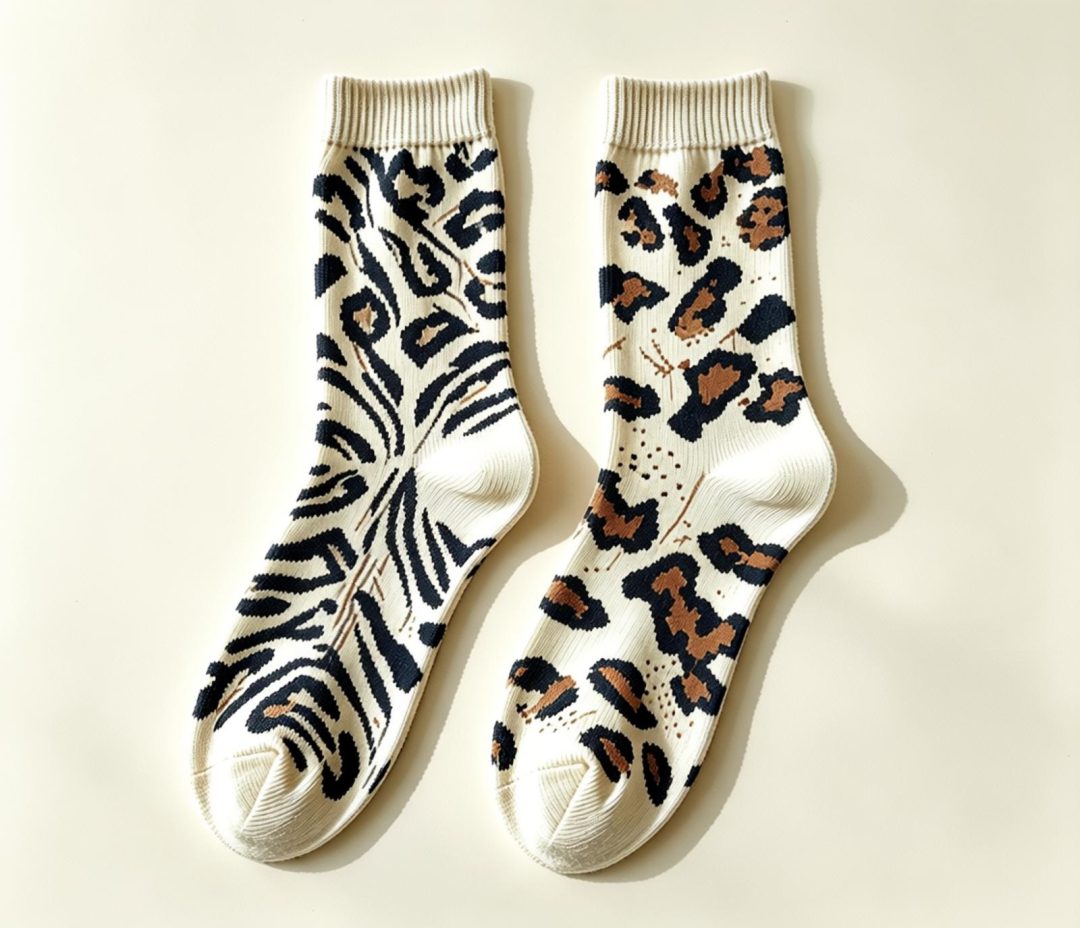
In plain terms: if you are buying custom camo socks, plan on 300 pairs per color, 3-7 days for samples and 5-25 days for a bulk run. Searches like this usually come from buyers who want the specification and the commercial terms settled before asking anyone for a quote, which is why this page goes straight to numbers rather than marketing copy.
Three specifications decide both the outcome and the price: print method, polyester content and registration accuracy. Get those on your enquiry sheet and quotes become comparable.
On this page:
- The parameters that change how printed socks perform
- How printed socks are made, step by step
- Where your money actually goes
- Minimum per color, and why the number is what it is
Search variants worth knowing about: custom printed socks; custom novelty socks; custom rainbow socks – they cover the same ground from a different starting point.
The parameters that change how printed socks perform
| Parameter | Where it is set | What it changes |
|---|---|---|
| Polyester content | 65% or more for sublimation. | Below that the colours look grey. |
| Registration accuracy | Pattern placement within 3 mm. | All-over prints are where this fails. |
| Print method | Sublimation, direct digital, screen or transfer. | Sets the colour ceiling and the fastness. |
Two supporting parameters matter just as much: 144N-200N; printing needs a flat, even sock surface, and the finishing route (washing, boarding and heat-setting), which is what actually locks in the dimensions.
If a parameter is optional, say so explicitly and give your preference. Silence is not a preference — it just means the factory will pick, and you may not like the pick. Reference: white label socks.
How printed socks are made, step by step
Understanding the production sequence tells you where delays and defects come from.
1. Yarn preparation. Cones are inspected and, if the programme needs it, dyed to a confirmed shade. Custom dyeing adds 7–14 days and carries a mill minimum.
2. Knitting. Socks are knitted as tubes on circular sock machines. 84N-96N coarse gauges serve terry and heavy socks, 108N-120N is the workhorse for everyday styles, 144N-168N carries fine jacquard and athletic structure, and 200N tops the range for dress socks and very fine jacquard.
3. Toe closing. There are three toe closures: standard overlock, the cheapest and the one that leaves a seam ridge; Rosso linking, which is substantially flat; and hand-linked seamless, the most comfortable and the most expensive per pair.
4. Washing and boarding. Washing removes knitting oils and sets dimensions; boarding (heat-setting on forms) gives the final shape and smoothness.
5. Inspection and pairing. Each pair is checked for defects, matched by size and shade, and paired.
6. Packing. Hang tags, polybags, inner boxes and cartons per the packing specification.
The bottleneck for printed socks is rarely knitting capacity; it is finishing and packing, which is where most schedule slips actually happen. Full process notes: white label socks.
Where your money actually goes
Take a typical first order of a few hundred pairs. Four lines decide almost everything.
| Cost line | Typical share | What moves it |
|---|---|---|
| Yarn | 35 to 50 percent | fibre type, staple quality, whether it is custom-dyed |
| Knitting and labour | 20 to 30 percent | gauge, structure complexity, number of colours |
| Technique and setup | 5 to 15 percent | artwork route, screens, machine set-up |
| Finishing and packing | 8 to 12 percent | washing, boarding, labelling, cartons |
Note that only one of those four is negotiable through quantity alone. The technique line is fixed per design, so it either gets spread across many pairs or it sits heavily on few.
The fixed cost in printing is screens and sampling. Digital printing compresses that to almost nothing, which is why it suits small multi-design orders best.
If two quotes differ by more than a few percent, the difference is usually the specification rather than the supplier. The commercial route is explained on custom socks wholesale.
Minimum per color, and why the number is what it is
Buyers often treat MOQ as a negotiating position. It is not: it is arithmetic done by the production planner. Three costs have to be covered before the first pair is worth knitting.
- Machine programming and set-up. Fixed per design, regardless of how many pairs follow.
- Yarn minimum. A dyelot has a floor, which is why custom shades raise the entry point.
- Changeover labour. Every swap of yarn, needle setting or programme costs machine hours.
The standard minimum is 300 pairs per color. What shapes the order is not the design but the way it is split: each colourway is its own production run, and each size block is knitted and paired separately.
If you are unsure about size split, ask how the 300 pairs are distributed across sizes within one colourway; that is the number that actually constrains the order. Terms and sampling rules are set out on custom socks wholesale.
FAQ
What is the minimum order?
Digital printing starts at 300 pairs per color; screen printing usually needs 300 or more because of the screens.
How long is sampling?
3-7 days, plus three to five days if fastness testing is included.
Can cotton socks be printed?
Yes, but sublimation needs polyester; cotton goes to direct digital or screen printing instead.
What is the fastest way to get an accurate quote?
Send a specification sheet — yarn composition, needle count, size set, construction, artwork route, quantity and packing. A quote built from that is usually within a few percent of final; a quote built from a photo is not.
To place it in context, compare it against sock material guide.
Where to go from here
If you take one thing from this: the cheapest quote is usually the one with the loosest spec. Write the spec first and the quotes become comparable. custom camo socks is the place to begin; Sockmader covers the commercial terms.