Choosing dress socks for a brand is easier than choosing most apparel, because the product has a narrow, well-defined specification space. There is no question about whether to add cushioning, no debate about sole technology, no complex fit system. There are six decisions, they are all straightforward, and making them in the right order prevents the two outcomes that actually cost money: a sock too thick for the shoe it is sold with, and a size run that does not match the buyer’s customers.
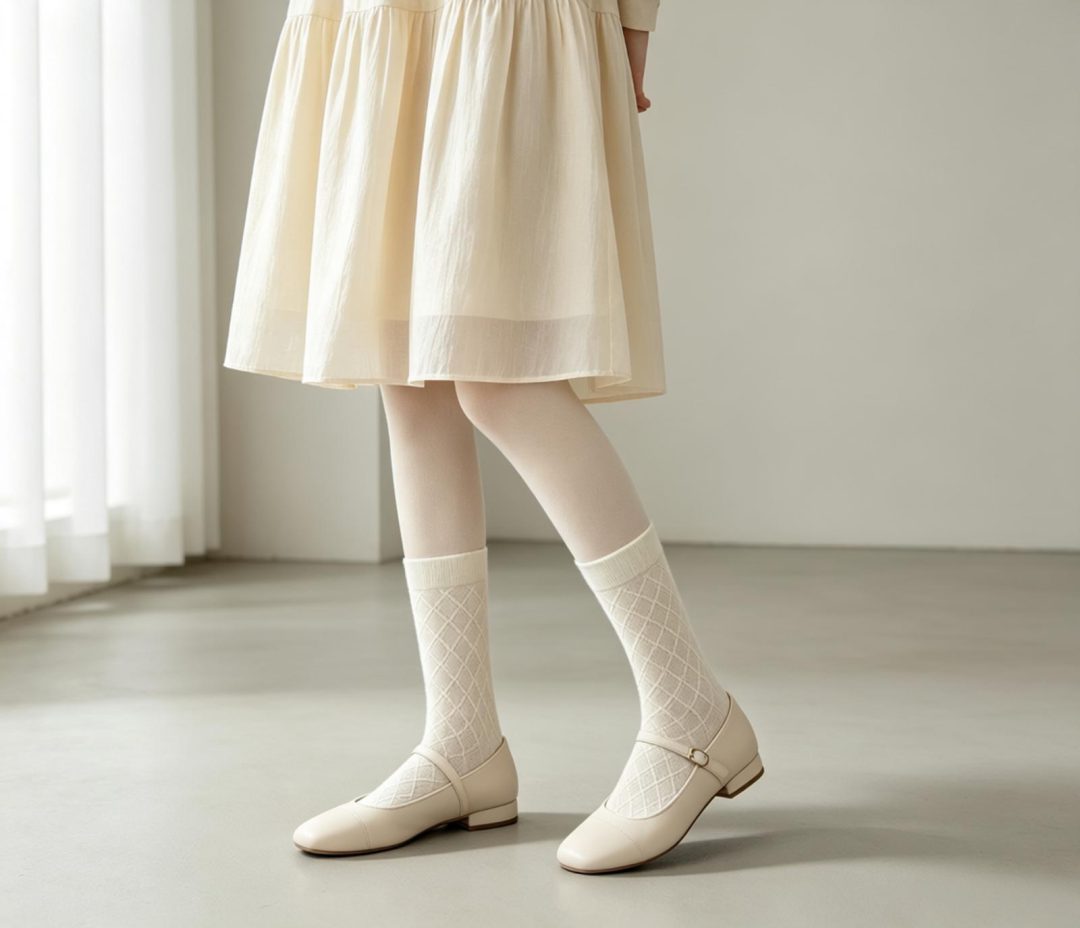
Production-ready specifications for all of the above are handled through dress sock manufacturing.
Decision 1:
What Is the Sock For? Three use cases dominate, and they want different products. Corporate gifting wants a premium hand feel, presentation packaging and usually a subtle monogram or brand colour. Uniform programmes want durability, a consistent dye lot across reorders and a price that survives annual procurement. Retail fashion wants a distinctive pattern or texture and a colour story that changes seasonally. Decide which you are serving before anything else, because it determines the yarn budget.
Decision 2:
Gauge 168N is the entry point for a sock that looks like a dress sock; 200N is the recognised quality standard and the safe default; 240N is luxury. Higher gauge means finer yarn, smoother surface, higher cost and a more delicate sock. For corporate gifting, 200N. For hard-wearing uniforms, 168N with a nylon-reinforced heel. For a premium retail line, 200 to 240N.
Decision 3:
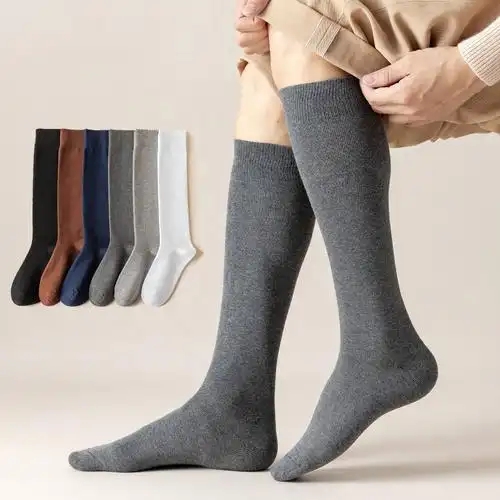
Length Over-the-calf is correct for tailoring and should be the default. Mid-calf is acceptable for business-casual and for warm climates, and it is cheaper. Make the choice consciously — a mid-calf sock sold to someone who wears suits will generate complaints about bare leg, and it is not a defect the customer can be talked out of.
Decision 4:
Yarn Mercerised cotton is the safe all-round choice: smooth, lustrous, breathable, mid-priced. Fine merino adds temperature regulation and a premium hand feel at higher cost. Silk blends add sheen and softness for luxury gifting. Nylon blends are the value option and are the most durable. For most brands, a mercerised cotton with nylon reinforcement at heel and toe is the right balance.
Decision 5:
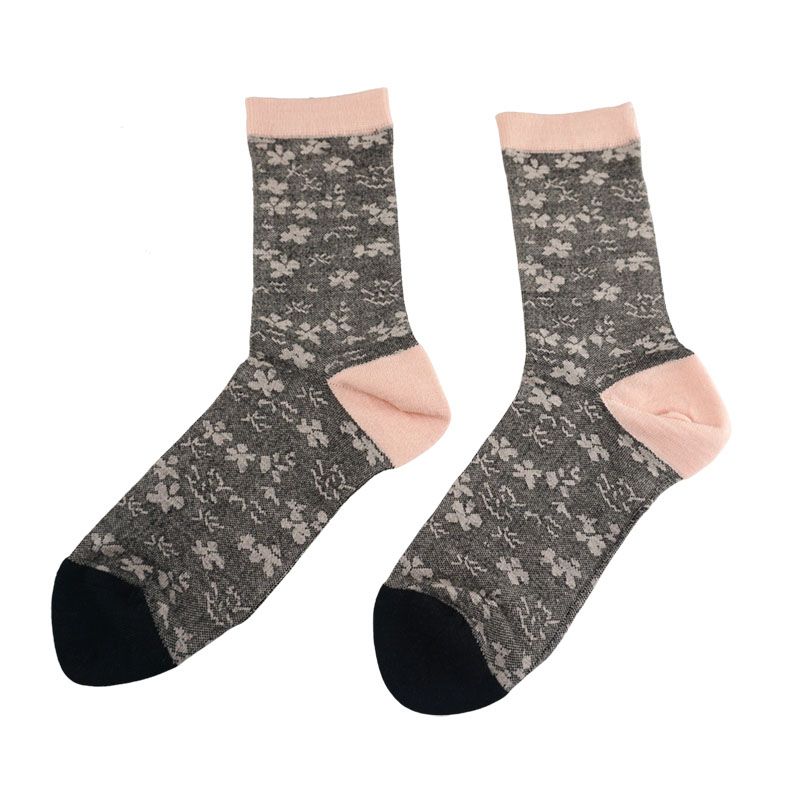
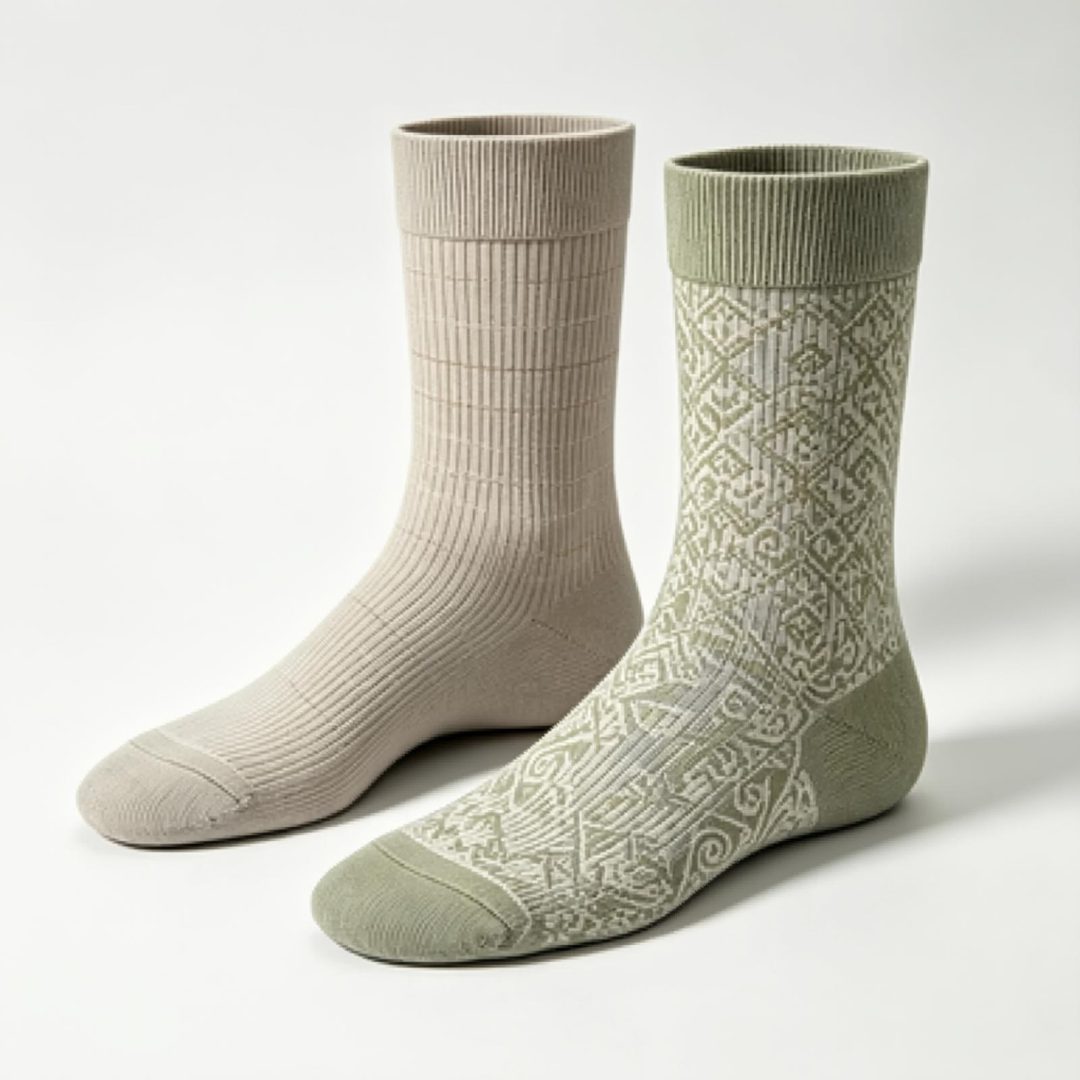
Pattern and Colour Decide how much pattern risk you can carry. A plain tonal range is the safest and restocks easily. A micro-pattern adds distinction at almost no production cost and justifies a higher price. A bold pattern differentiates but narrows the audience. For a first order, one plain and one micro-pattern SKU is a sensible split; let sell-through tell you which to expand.
Decision 6:
Size Run and Packaging Dress socks are sized by shoe size, and the run should match your market — a US-focused range needs a wider XL band than a European one. Packaging is disproportionately important for gifting: a kraft box, a belly band or a presentation sleeve can double the perceived value at a fraction of the cost of upgrading the yarn. If the budget allows one upgrade, spend it here.
If that is settled, the next question is usually answered in How to Buy Dress Socks Wholesale.
FAQ
Q: What is the single most important specification? A: Gauge. It determines how the sock looks, feels and performs under tailoring.
Q: Over-the-calf or mid-calf for a corporate gift? A: Over-the-calf. The recipient will judge the sock against their existing wardrobe.
Q: How do I keep dye lots consistent across reorders? A: Specify a lab-dip reference and keep it on file. Ask for a shade-band approval on every repeat order.
Q: Is a branded sock appropriate for formal wear? A: A discreet mark below the cuff, yes. A visible logo generally reduces how often the sock gets worn.
CONCLUSION
Six decisions — use case, gauge, length, yarn, pattern and size run — determine whether a dress sock line succeeds. Work through them in that order, default to 200N over-the-calf mercerised cotton unless there is a reason not to, and put any spare budget into packaging. The specification space is narrow, which is exactly why getting it right is straightforward.
Ready to price this out? Start with a sample from the Sockmader custom sock factory, or send your artwork and target quantity for a quote.
If you are planning your own line, our custom dress socks program covers sampling, MOQ and lead times in one place.