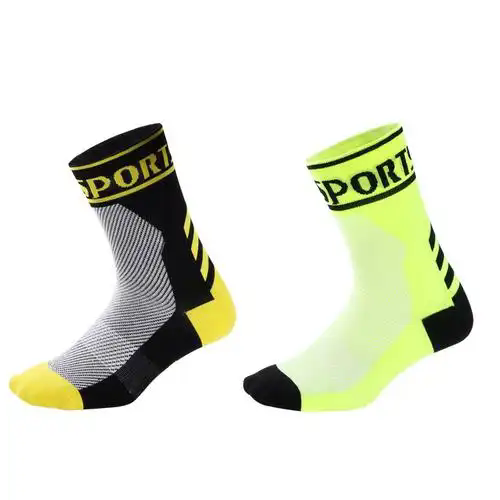
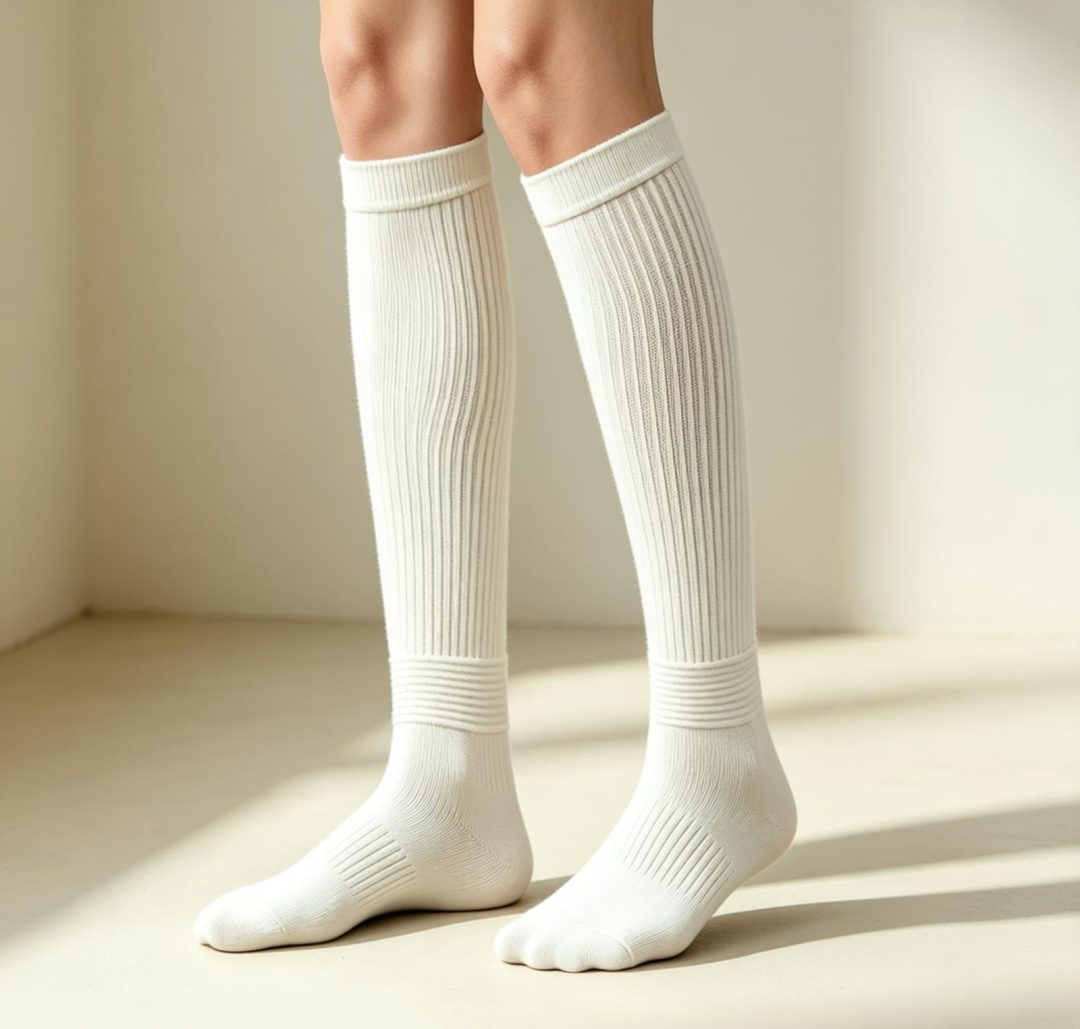
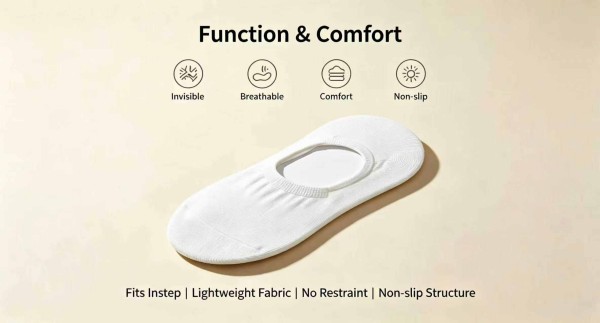
A soccer sock looks like a simple tube, and for decades it was one — players pulled a cotton tube over their shin guard and got on with it. Modern soccer socks are engineered, and the engineering matters because a footballer covers eight to twelve kilometres in ninety minutes, mostly in lateral movement, inside a boot that traps heat. Every benefit a quality soccer sock delivers comes from solving one of three problems: impact, moisture, and the sock’s relationship with the shin guard. Understanding those three makes the difference between a team order that performs and one that gets replaced halfway through the season.
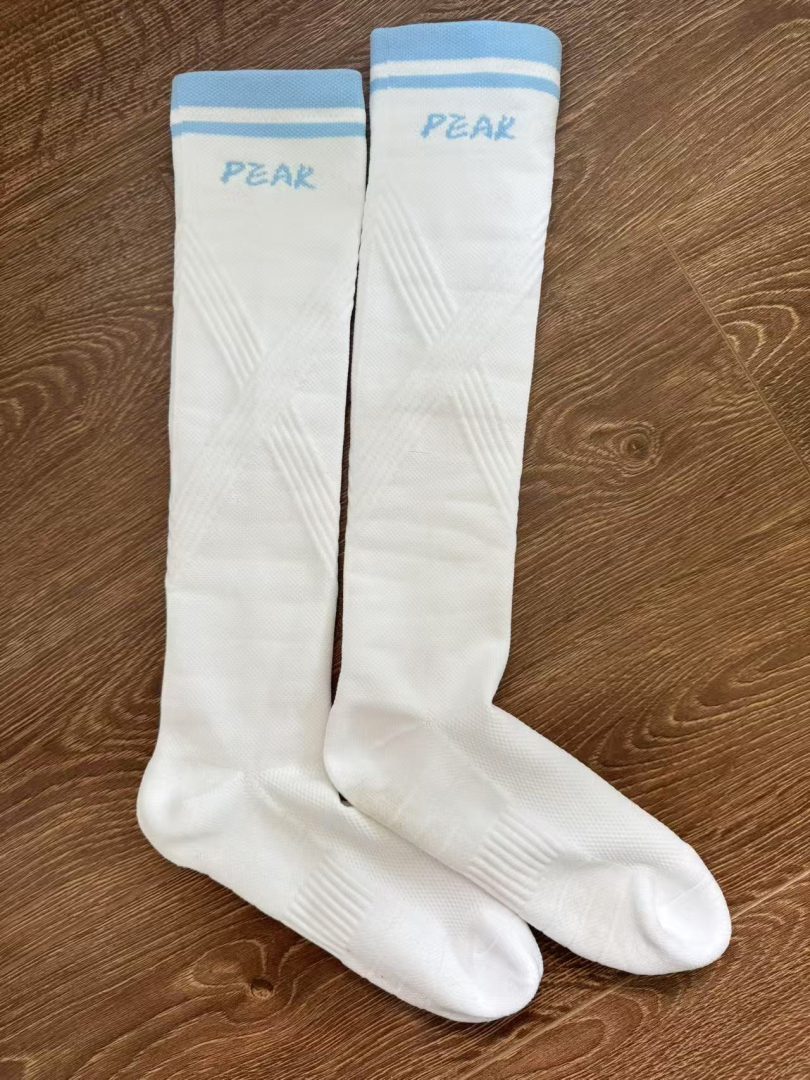
You get these same benefits through custom athletic sock range, with yarn and construction tuned to your target price point.
Cushioning Where Load Actually Lands Soccer places repetitive impact on the heel and forefoot and sustained friction under the shin guard. A good sock answers with zoned terry cushioning: dense loops at the heel and ball of the foot, a thinner mesh or flat knit across the instep where heat needs to escape, and a padded channel down the front of the shin. This is why a single-density sock feels wrong after an hour — it cushions the areas that need cooling and leaves the impact zones thin. When you spec a team order, ask where the terry zones sit, not just whether the sock is “cushioned.”
Moisture Management and Blister Prevention Wet skin blisters. Cotton holds up to 27 times its weight in water and dries slowly, which is why cotton-rich soccer socks are the single most common cause of mid-season foot problems. Modern team socks use a hydrophobic synthetic face yarn — nylon or polyester — with a hydrophilic inner layer that moves sweat outward to evaporate. The practical result is a foot that stays drier through a match and a boot that does not squelch. For teams training in heat or playing two sessions a day, this is the benefit that players notice first.
Shin Guard Integration The sock has to hold a hard plastic guard against the shin without cutting circulation or sliding down. Two design answers dominate. The first is a snug ribbed or elasticated zone at the calf that grips the guard in place. The second is a dedicated guard pocket knitted into the sock. Both work; the pocket holds more securely but adds cost and limits where the guard can sit. Whichever you choose, the cuff must stay up for ninety minutes without leaving a deep mark — that balance between grip and compression is the hardest thing to get right on a team sock, and the thing most cheap socks fail.
Durability Through a Season A team sock is washed twice a week for six months. Reinforced heel and toe, abrasion-resistant nylon in the sole, and colorfast dye that survives repeated hot washes are what separate a sock that lasts a season from one that thins out by Christmas. Clubs ordering for an entire academy should prioritize reinforcement over softness, because replacement cost dwarfs the unit saving on a lighter sock.
Fit and Sizing Across a Squad Soccer socks are sized by shoe size, not calf circumference, and the fit has to work over a guard. A sock that is too loose bunches under the arch; too tight and it restricts the calf and slides down after twenty minutes. Ordering a size run that matches your squad’s actual shoe distribution, rather than a generic S/M/L split, removes most fit complaints before they start.
How Are Soccer Socks Made? picks up where this article leaves off.
FAQ
Q: Why do players cut the feet off their socks? A: Usually to relieve calf compression or to wear a separate grip sock underneath. A properly graded calf zone removes the need for both.
Q: Cotton or synthetic for a grassroots club? A: Synthetic. Cotton socks hold water, blister more and wear through at the heel within a season.
Q: Do cushioned socks make boots feel tighter? A: Slightly. Heavy terry adds volume, so teams often size up half a size or specify cushioning only at the heel.
Q: How many pairs does a squad need per season? A: Three per player for a two-session-a-week club — one in wear, one in wash, one in the kit bag.
CONCLUSION
The benefits of a purpose-built soccer sock are specific and measurable: cushioning where impact lands, moisture moved off the skin, a guard held in place for ninety minutes, and a fabric that survives a season of washing. None of that happens by accident. It comes from specifying zones, yarns and reinforcement on the order sheet — which is exactly where a team buyer has the most leverage.
Ready to price this out? Start with a sample from Sockmader’s custom sports socks team, or send your artwork and target quantity for a quote.