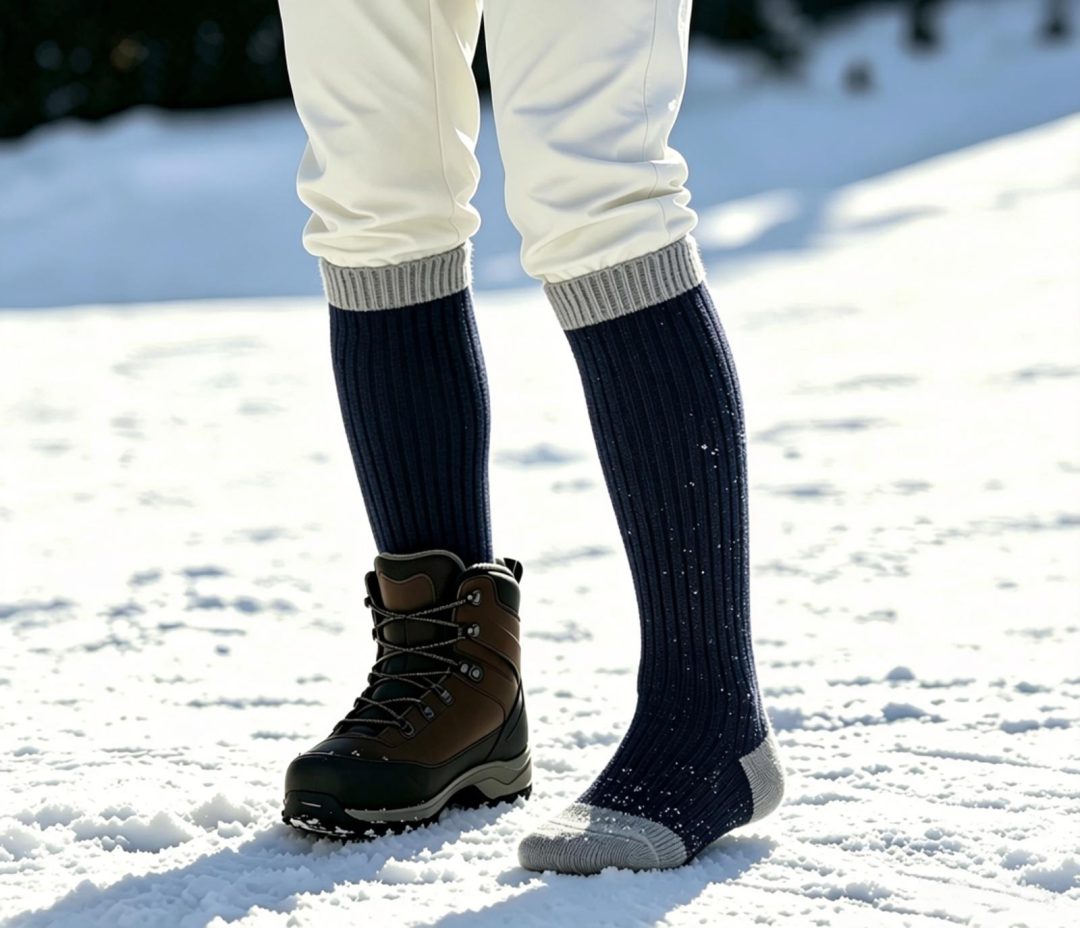
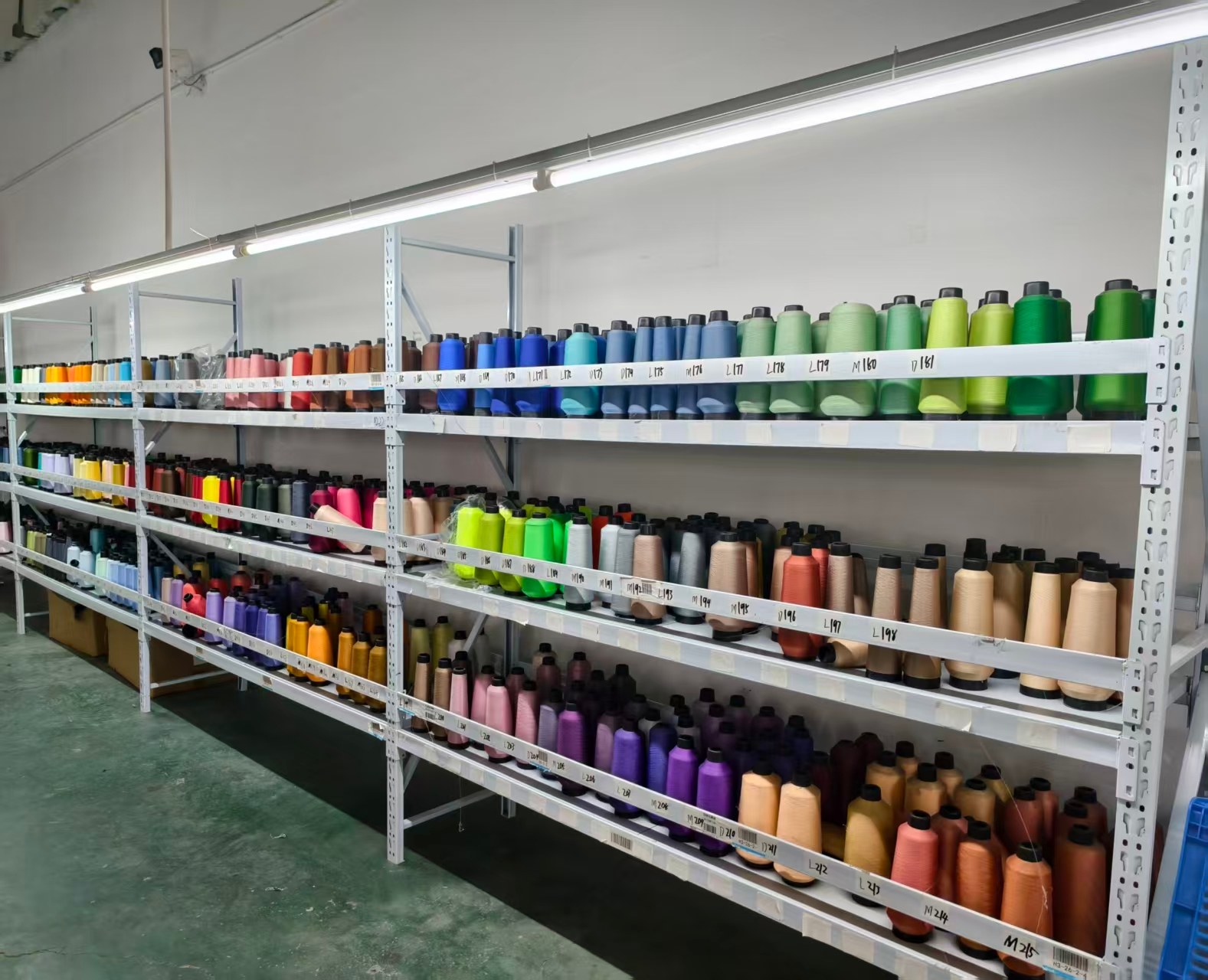
The material of a soccer sock decides whether it lasts a season or falls apart by week six. Cotton is the enemy; synthetics are the standard; merino-light is the premium option. This guide breaks down yarn choices and where cushioning should — and shouldn’t — go, so a buyer can write a material spec that survives a full schedule of matches and washes. The mistake we see most is a buyer who specifies “soft cotton” for comfort and then wonders why the team’s socks are threadbare by the playoffs.
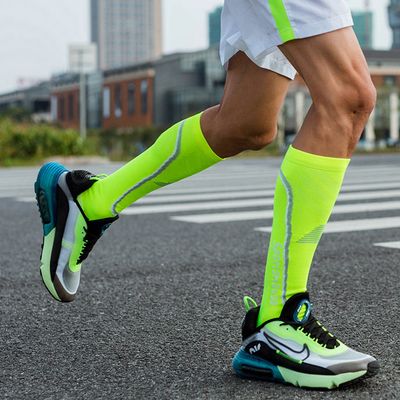
Each yarn below is stocked for custom athletic sock range, with blend ratios adjustable to your target cost.
The Standard Blend Most soccer socks are 60–75% polyamide (nylon) with 20–35% polyester and 2–5% elastane. Polyamide carries abrasion resistance at the sole and heel; polyester moves moisture; elastane holds the arch and cuff. This trio survives weekly washing and stud shear far better than natural fibers. For a bulk team order, the 65/30/5 nylon/poly/elastane split is the safe default that balances cost and life.
Merino-Light Premium Cold-climate and “comfort-first” lines use 40–55% merino blended with nylon. Merino buffers temperature and resists odor, but it costs more and wears faster at the toe — so the toe and heel stay synthetic-reinforced even in merino socks. We recommend merino-light only for senior or cold-weather programs where players notice and pay for the comfort, not for youth rec leagues.
Cotton-Free by Design Cotton holds water and stiffens; on a wet pitch it causes blisters and loses shape. We do not offer cotton soccer socks. If a buyer insists on “natural,” merino is the only safe natural option. The phrase “breathable cotton” is a comfort myth in a sport where the foot is enclosed in a boot for 90 minutes.
Cushioning Zones Cushion belongs at the sole (impact) and shin (guard edge). The instep stays flat for boot feel; the cuff stays ribbed, not padded. Over-cushioning makes the boot fit tight and the player uncomfortable, and it adds fabric that holds sweat. Program the cushion into the knit pattern, not as an afterthought.
Durability Checks Request a Martindale or similar abrasion spec on the sole (aim for 20,000+ rubs). A reinforced heel stitch and linked toe are non-negotiable for bulk team durability. We also wash-test a sample 20 cycles and check the heel and toe for thinning before approving a large run — that test catches a weak yarn before 1,000 pairs ship.
Reading a Material Spec Sheet Write the material spec into the PO as a checklist, not a sentence. It should state: blend ratio (e.g., 65/30/5 nylon/poly/elastane), machine gauge (96–144N for team weight), cushion zones (sole + shin, with terry density), toe (linked), heel (reinforced, aramid or nylon plate), and a Martindale sole-abrasion target (20,000+ rubs). A supplier who can’t fill that sheet is guessing; one who can is engineering. We return this completed sheet with every bulk quote so the buyer compares like-for-like across factories instead of comparing prices on unspecified product.
Soccer Socks Benefits picks up where this article leaves off.
FAQ
Q: Polyamide or polyester dominant? A: Polyamide (nylon) dominant for wear; polyester for wicking. A 65/30/5 nylon/poly/elastane is the safe default.
Q: Are merino soccer socks worth the premium? A: For cold climates and odor-sensitive players, yes; for hot-weather leagues, synthetics perform better and cost less.
Q: How do I verify durability before a big order? A: Wash-and-wear a sample 20 times, then check the heel and toe for thinning; require a Martindale spec in the PO.
CONCLUSION
Specify a cotton-free nylon-poly-elastane blend, put cushion only where it earns its place, and demand a reinforced heel and linked toe. Material done right is the difference between a season-long sock and a mid-year reorder that misses the big match.
When you are ready to produce, Sockmader’s custom sports socks team covers sampling, MOQ and lead times in one place.