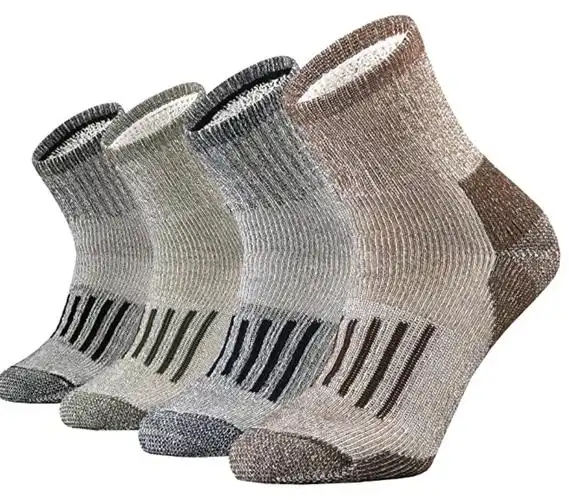
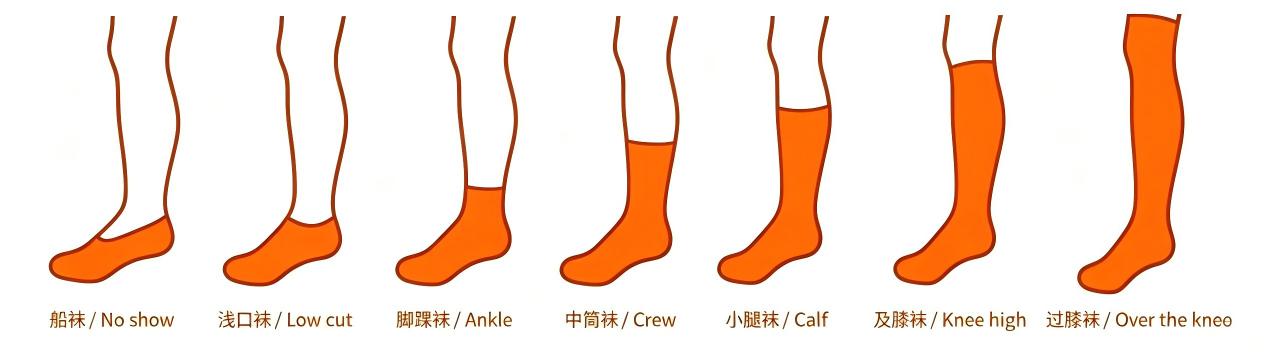
For a brand building a low-cut sock line, the three lengths — ankle, low-cut, no-show — look similar but serve different shoes and buyers. Getting the mix right avoids dead SKUs and the returns that come from a sock worn with the wrong shoe. This comparison breaks them down so a brand can decide which to launch first and which to add as demand appears, rather than guessing and over-producing a length no one in the target market actually wears.
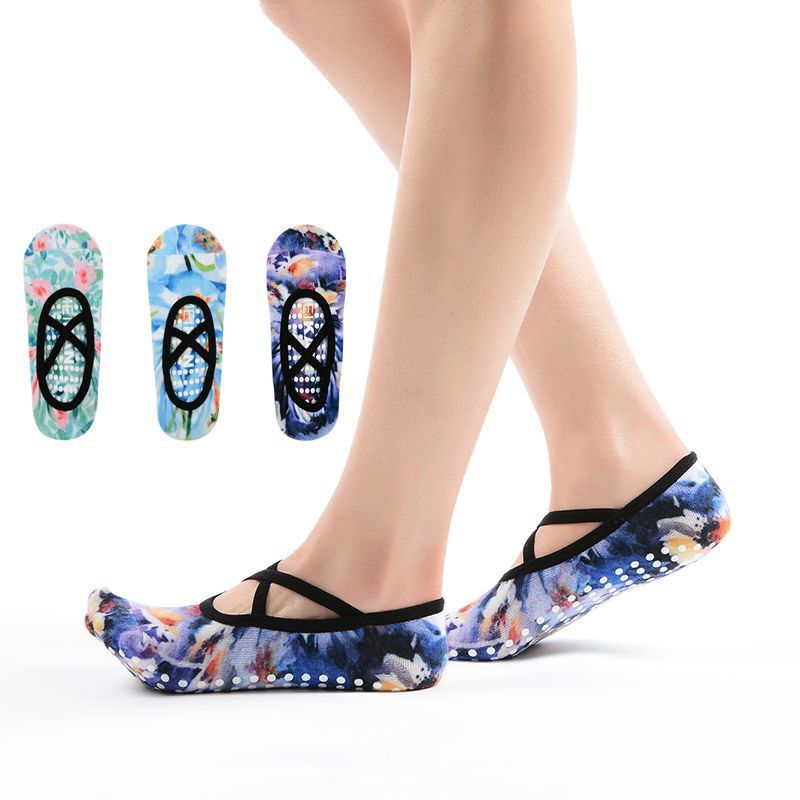
Both options are available through no-show sock manufacturing, and we can sample each one for side-by-side testing.
The Three Lengths – Ankle: 1–3 cm above the ankle bone. Visible above the shoe. The casual sneaker default and the volume SKU in most markets. – Low-cut: at the ankle bone. Barely visible. Sneaker and athletic. – No-show: below the bone. Invisible. Loafer, boat shoe, minimal sneaker. The height is the first spec to lock, and it must be measured against the target shoe, because “low cut” means different things to different buyers and factories alike.
Grip System Differs Ankle relies on a ribbed cuff, which has height to hold it. Low-cut may use a cuff or a light heel grip. No-show needs a silicone heel strip — non-negotiable, because without it there is nothing to hold the sock up. The grip spec must follow the length, and we write it into the PO per SKU so a factory cannot apply one grip rule across all three and ship a no-show that slips.
Shoe Match – Ankle → everyday sneakers, high-tops, casual. – Low-cut → running shoes, trainers, athletic. – No-show → loafers, boat shoes, minimal sneakers. Selling the wrong length for the shoe is the top low-cut return reason, because the buyer blames the sock when the real issue is a mismatch between the sock’s design and the shoe’s opening height.
Which to Include in a Line A complete low-cut program offers all three: ankle as the volume SKU, low-cut for athletes, no-show for dressy and casual. If starting with one, ankle is the safest; add no-show once dressy demand appears, and low-cut once an athletic angle is in play. We advise brands to launch ankle plus no-show first, because that pairing covers the two clearest buyer intents — visible casual and invisible dressy — with the least inventory risk. Low-cut is then an easy add-on once the athletic story is ready, since it reuses the same yarn and grip setup as the other two and needs no new tooling.
Merchandising and Launch On the shelf or the product page, show each length on the actual shoe it pairs with — a no-show photographed in a loafer sells far better than the same sock flat. Bundle ankle plus no-show as a “casual and dressy” set to lift average order value, and label the grip type on the pack so the buyer knows the no-show will stay up. We supply a comparison card for brands launching all three at once, because the buyer who understands the difference is the buyer who keeps the sock instead of returning it.
If that is settled, the next question is usually answered in No-Show Socks Benefits.
FAQ
Q: Can one sock serve all three? A: No — length and grip differ; offer the three as separate SKUs so each fits its shoe correctly.
Q: Which sells most? A: Ankle, as the casual default; no-show grows with loafer and boat-shoe demand, which is strong in warm climates.
Q: Grip spec by length? A: Cuff for ankle; cuff or light grip for low-cut; silicone heel strip for no-show, always.
CONCLUSION
Ankle, low-cut and no-show are distinct: visibility, grip and shoe match all differ. Build the line with all three where volume allows, lead with ankle, and each SKU finds its shoe instead of becoming a return.
To move from plan to order, send artwork, size range and quantity through the Sockmader custom sock factory.
When you are ready to source, the Sockmader custom no-show socks team can quote sampling, MOQ and lead times for your quantity.