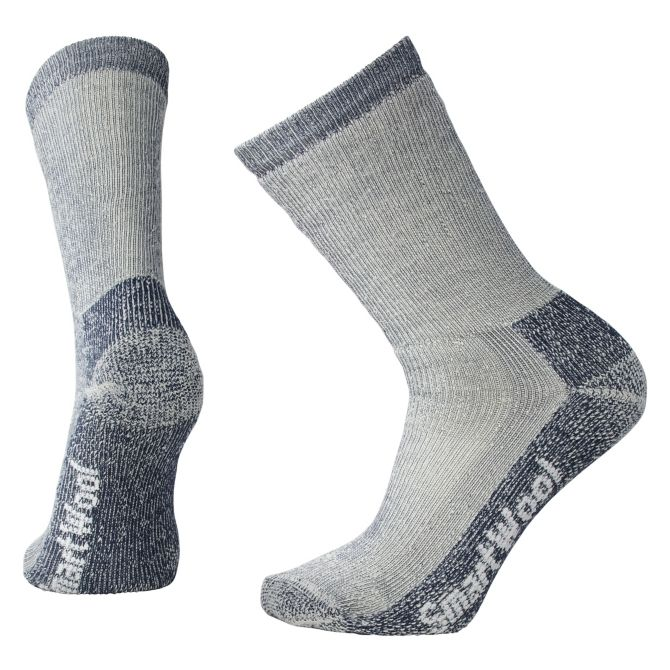
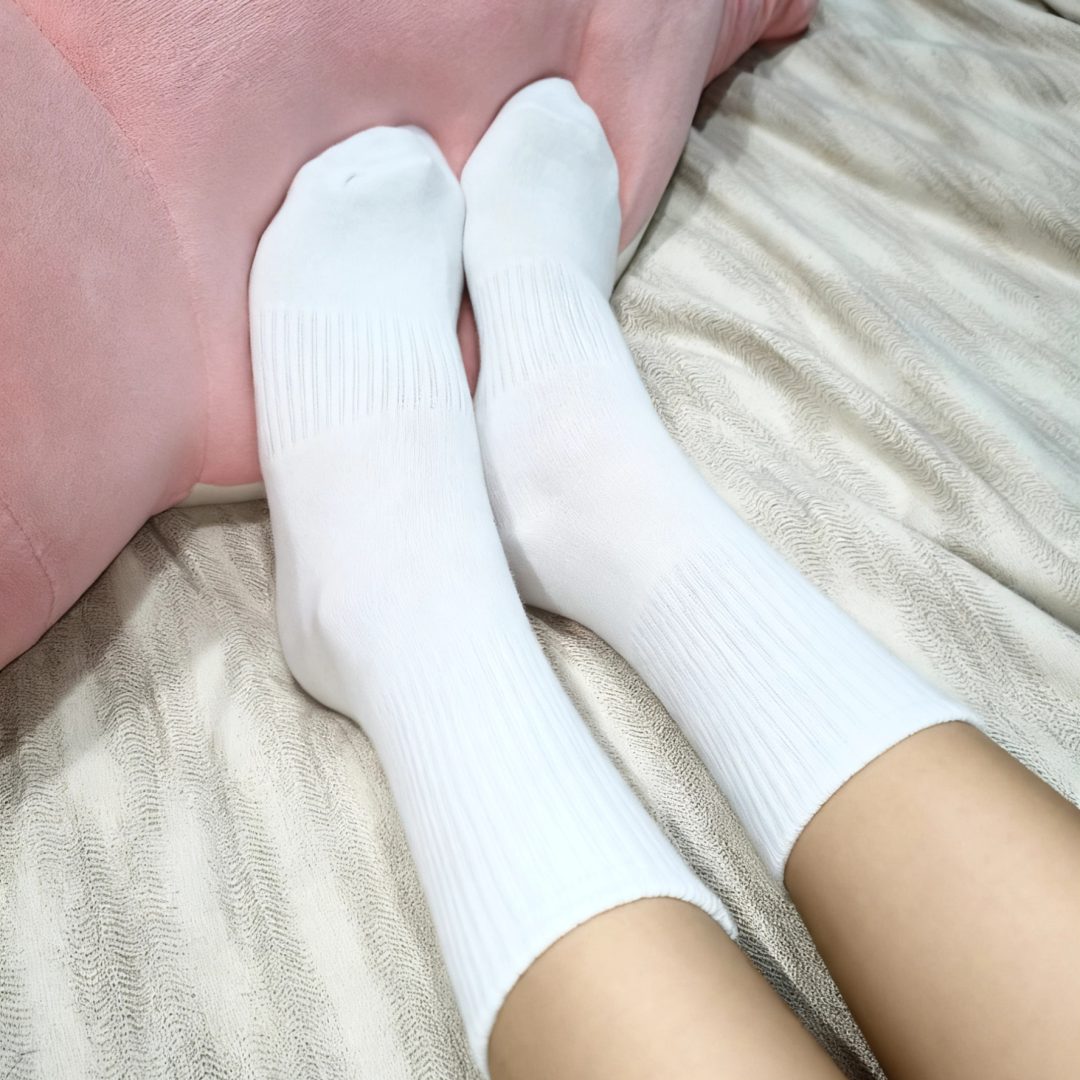
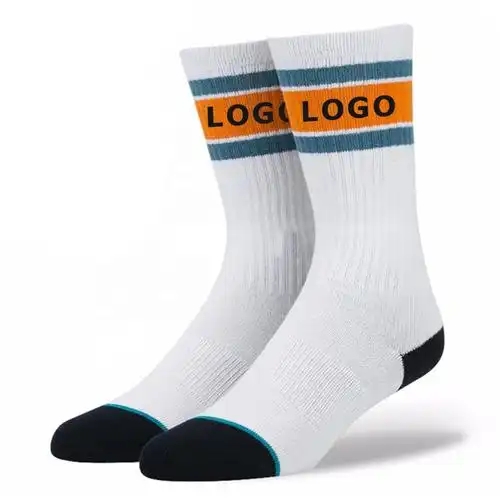
The crew sock — mid-calf, ribbed top, true heel — is the single most produced sock style in the world and the backbone of most custom sock programs. It is also the style new buyers underestimate. Understanding the full manufacturing process helps a brand specify a crew sock that fits, lasts and looks right. This is the complete process, from the first course of yarn to the paired, polybagged sock — and the three decision points that decide whether a crew sock is premium or forgettable.
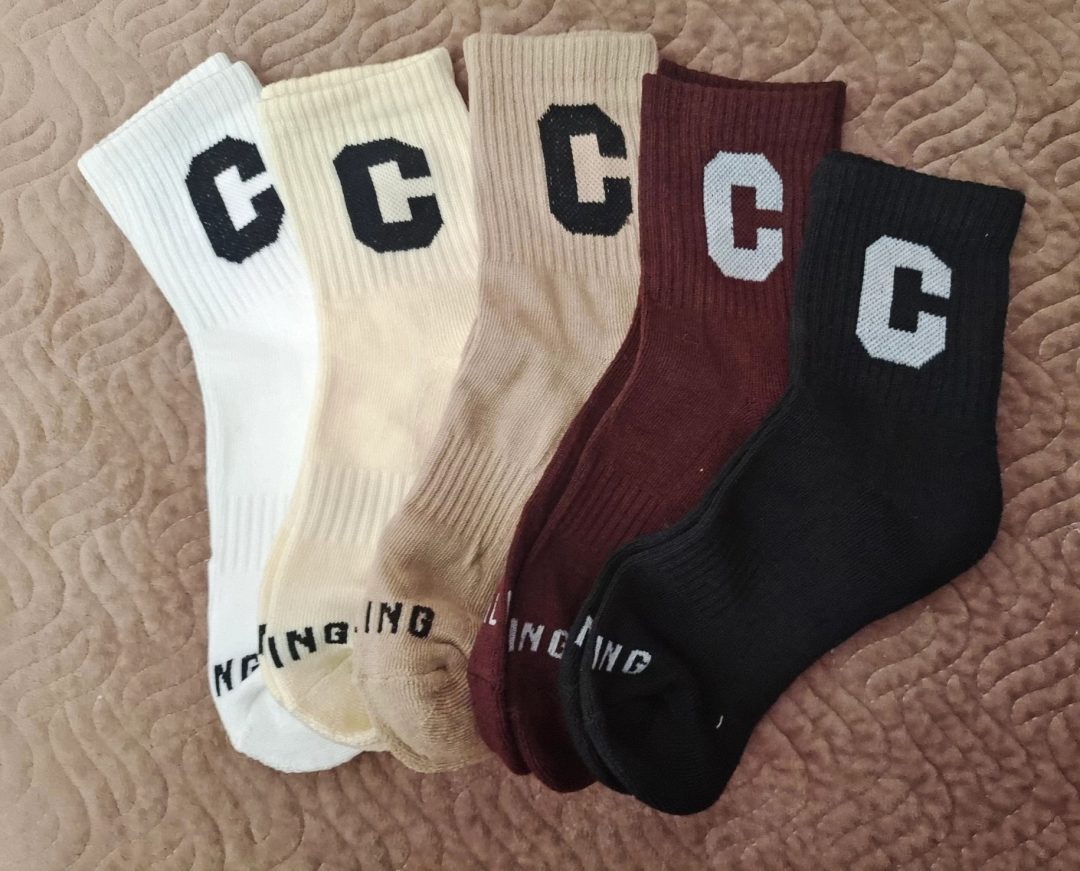
You will see every step below in crew sock manufacturing, where sampling runs before bulk production and MOQ starts at 50 pairs per design.
Cylinder Knitting Crew socks are knit on circular machines (96–168 needles for standard weight). The cylinder rotates, interlooping yarn course by course from the toe up to the top. The body uses a plain or half-cardigan stitch; the top switches to a 1×1 or 2×2 rib for the elastic cuff. The rib is programmed in the pattern, not added later. Needle count sets the hand: 96–120N for a thicker everyday crew, 168N for a finer fashion crew. We pick the gauge to match the yarn and the intended price.
The Rib Top (The “Crew” Signature) The ribbed cuff is what holds a crew sock up without a tight band. A 2×2 rib (two knit, two purl) has more stretch and recovery than 1×1 and is the standard for quality crews. Cheap crews use a weak 1×1 that slouches by midday. We spec 2×2 for any crew meant for all-day wear and reserve 1×1 for very lightweight fashion crews where a softer, shorter cuff is the look. The rib tension is set on the machine and verified on a stay-up test.
Heel Pocket Unlike a tube sock, a crew has a true heel: the machine switches to a heel-and-toe (H-stitch) sequence that builds a pocket. A Y-heel (reinforced, shaped) locks the sock to the foot; a straight heel is cheaper and fits worse. Specify Y-heel for any crew worn with shoes. The heel is also where we plate reinforcement yarn, because it is the highest-abrasion zone in daily wear.
Toe Closing The toe is finished by linking (rosso) for a flat interior or a flat seam for budget. For crew socks worn in shoes, a linked toe prevents ridge complaints. The machine then cuts the pair from the knit tube. Linked-toe lines get 100% inspection at the toe because a missed link is the most common return on crew socks.
Boarding and Finishing Each sock is pulled onto a heated steel form (boarding) that sets its shape and size — this is why a sock keeps its form after washing. Then pairs are matched by shade, inspected and polybagged. Boarding temperature and time are calibrated per yarn; wrong settings cause shrinkage or shine. We board at the lowest effective heat to protect the yarn hand and avoid a glossy finish that reads cheap.
If that is settled, the next question is usually answered in Crew Socks Benefits.
FAQ
Q: 1×1 or 2×2 rib for crew socks? A: 2×2 for stay-up power and recovery; 1×1 only for very lightweight fashion crews where softness beats support.
Q: Y-heel or straight heel? A: Y-heel for fit and durability; straight heel for tube-style budget crews that twist.
Q: Why does boarding matter? A: It sets the final shape and size; skip or mis-set it and the sock shrinks or loses form in the wash, then fails the wear test.
Stay-Up Test at the Factory Before a crew run ships, we run a stay-up test: the sock is worn on a standard form, flexed 200 times, and checked for slouch. A 2×2 rib with correct tension passes; a weak 1×1 fails within 50 flexes. This ten-minute test catches the single most common crew defect — cuff slouch — before a thousand pairs reach the customer. We record the result on the QC sheet so the buyer knows the sock was verified, not assumed. For a custom brand, a slouching cuff is the fastest route to a one-star review, so this check is non-negotiable on every run.
CONCLUSION
A crew sock is defined by its rib top, Y-heel and boarding. Spec those three and the mid-calf classic does its job for years — which is why it anchors nearly every custom sock line and why getting it right protects the brand’s everyday reputation.
To move from plan to order, send artwork, size range and quantity through the Sockmader custom sock factory.
When you are ready to source, the Sockmader custom crew socks team can quote sampling, MOQ and lead times for your quantity.