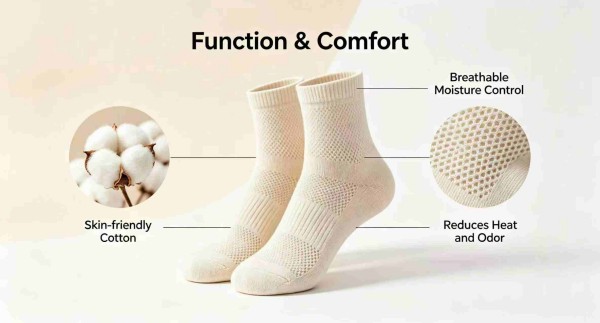
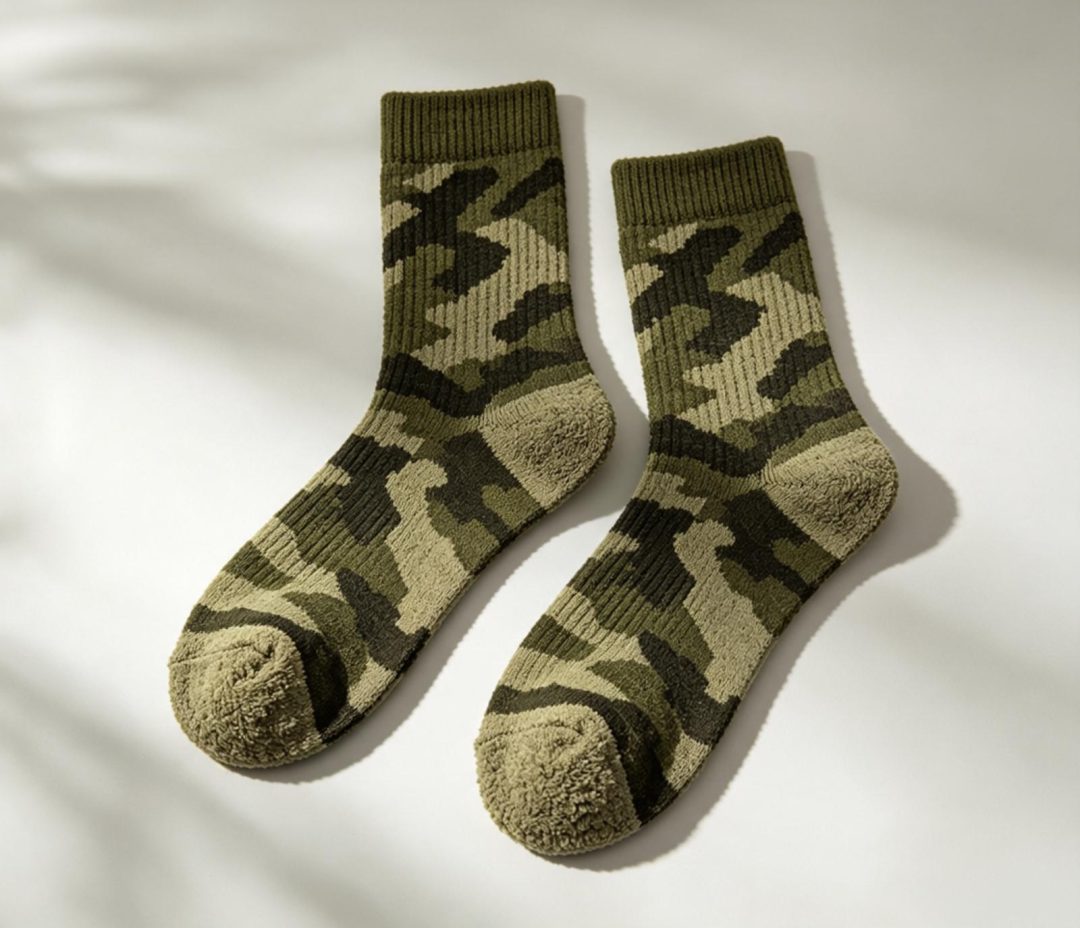
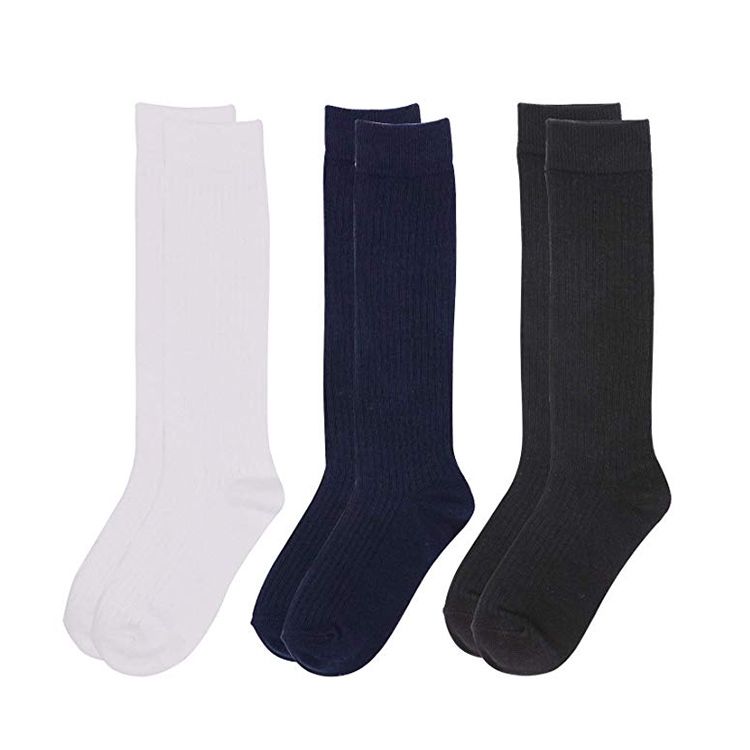
Cotton socks are the world’s default sock — the material most wearers reach for first and the baseline every other fiber is compared against. But “cotton sock” spans an enormous quality range, because cotton’s comfort depends heavily on fiber grade, yarn preparation and dyeing discipline. Here is how cotton socks are actually made, from raw fiber to finished pair.
You will see every step below in wholesale cotton socks, where sampling runs before bulk production and MOQ starts at 50 pairs per design.
It Starts With Fiber Grade
Cotton quality begins in the field: fiber length (staple), fineness, and cleanliness determine what a finished sock can feel like. Combed cotton — where short fibers and impurities are combed out, leaving only long, parallel staples — produces the smooth, strong, pilling-resistant yarn of premium socks. Carded cotton (the cheaper preparation, retaining shorter fibers) produces the slightly fuzzier, weaker yarn of basic socks. Organic cotton (GOTS-certified) adds the certified farming chain for eco-positioned lines. The grade decision is made before knitting — and priced accordingly.
Blending: Why Most “Cotton” Socks Aren’t Pure
Nearly all machine-washable cotton socks are blends. Pure cotton has no stretch and sags instantly, so the standard formula combines 70–85% cotton with 15–25% polyamide or polyester for durability, and 2–5% elastane for fit recovery. “100% cotton” socks exist (served to customers with synthetic sensitivities) but require hand-shaping after washing and trade longevity for purity. Fiber-content labeling is a legal requirement in most markets — accurate percentage declaration is part of the factory’s paperwork discipline.
Knitting
Cotton socks knit on the same circular machines as the rest of the industry, but the fiber’s low elasticity demands precise tension management — cotton yarn breaks more easily under machine stress than synthetics. Fine-gauge combed cotton produces dress-weight socks; heavier gauges with terry soles produce athletic and everyday cushioned styles. Cuffs knit with covered elastic to hold shape. Patterns range from solid dye lots to jacquard stripes and motifs, though cotton’s absorbency makes deep colors dyed after knitting (garment dyeing) or from dyed yarn (yarn-dyed) — the choice affects colorfastness performance.
Dyeing and Finishing Discipline
Dyeing is where cotton quality is won or lost. Proper reactive dyeing bonds color into the fiber for wash-fast vibrancy; cheap direct dyes fade and bleed within washes — the classic sign of a low-grade cotton sock. After dyeing, socks are washed to remove excess dye and processing chemicals (responsible factories verify formaldehyde and heavy-metal levels against OEKO-TEX limits), then tumble-dried and boarded: pulled onto metal forms and passed through heat to set dimensions and smooth appearance. Boarding is why new cotton socks look crisp — and why badly boarded ones twist.
Quality Control
Cotton sock QC checks: weight per pair (a proxy for yarn honesty — underweight socks were made with less cotton than claimed), colorfastness to washing and rubbing (especially deep colors like navy and black), dimensional stability after wash, seam strength at the toe, and elastic recovery at the cuff. Pairing matches color between left and right socks across dye lots — subtle lot variation between pairs is a quality failure customers notice.
Sustainability Notes
Cotton’s water and pesticide footprint makes sustainability a live topic: organic cotton (GOTS), Better Cotton Initiative (BCI) sourcing, and recycled cotton blends are the standard responses. Documentation matters commercially now — major retailers increasingly require fiber provenance for cotton programs.
We handle the adjacent decision in Cotton Socks Buying Guide.
FAQ
Q: Are 100% cotton socks better than cotton blends? A: Purer cotton is softer for sensitive skin but lacks stretch and wears faster; the 70–85% cotton blend is the practical standard for everyday durability.
Q: What is combed cotton, and why does it matter? A: Yarn made only from long combed fibers — smoother, stronger and more pill-resistant than carded cotton. It is the marker of a premium cotton sock.
Q: Why do cheap cotton socks fade fast? A: Low-grade direct dyes instead of reactive dyes, plus lower-quality fiber — the difference shows within a few washes.
CONCLUSION
Cotton socks are the industry’s foundation product, and their quality is decided by fundamentals: combed versus carded yarn, honest blending, reactive dyeing and disciplined finishing. For buyers, the checks are simple — feel the smoothness, weigh the pair, wash it five times — and the results separate the category’s best from its bargain bin.
Ready to price this out? Start with a sample from Sockmader’s custom sock manufacturing team, or send your artwork and target quantity for a quote.
If you are planning your own line, our custom cotton socks program covers sampling, MOQ and lead times in one place.