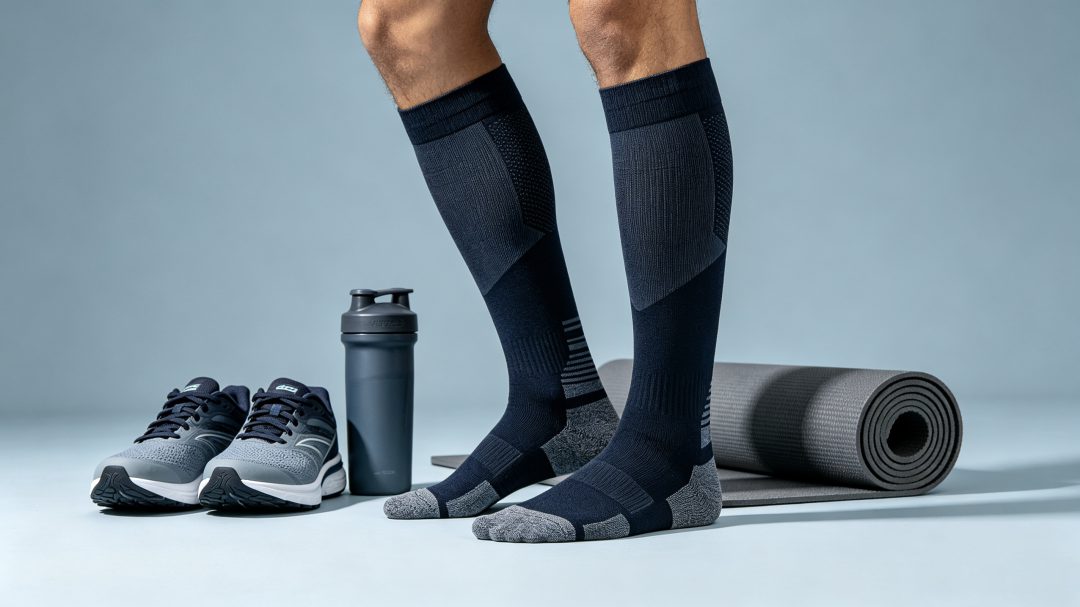
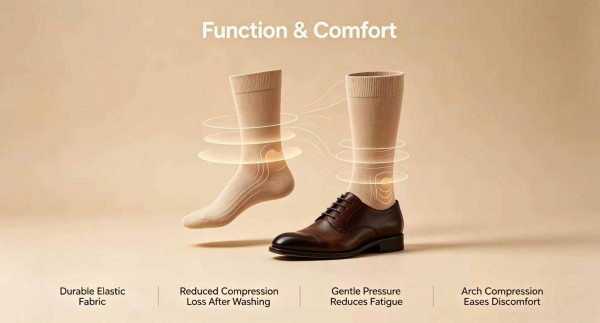
The compression socks market keeps expanding — driven by aging populations, sports recovery culture, and the huge population of nurses, teachers, and office workers who stand or sit all day. It is also a category where a well-executed small brand can realistically compete, because product differentiation comes from positioning and specificity rather than technology monopolies. Having watched many brands launch from our side of the supply chain, here is the roadmap that works.
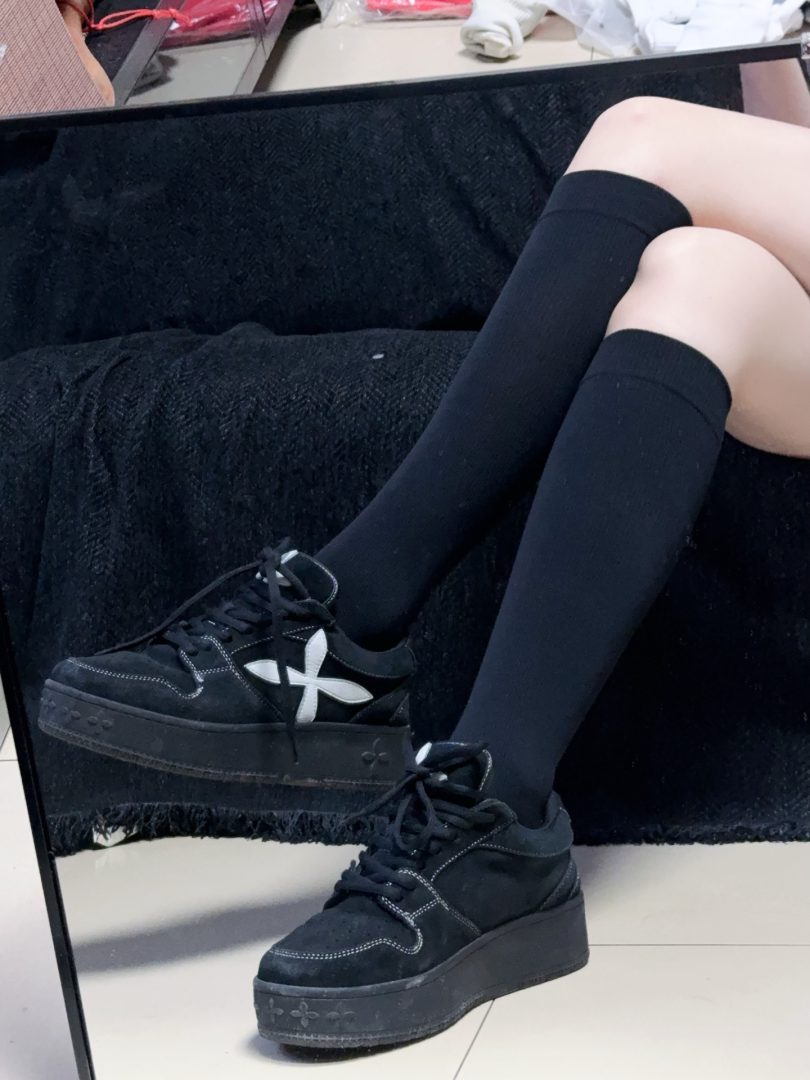
Sampling, production and retail packaging for a first line all run through wholesale compression socks.
Step 1: Pick a Specific Customer, Not a Generic Product
The fatal mistake is launching “compression socks for everyone.” The brands that grow fast own a niche: flight travelers, nurses and healthcare shift workers, trail runners, pregnancy support, e-sports and office workers. Each niche changes your product decisions — travelers want lightweight packable pairs, nurses want cushioned soles and fun prints that survive 12-hour shifts, athletes want graduated sport-specific fits — and each gives you a community where word-of-mouth actually happens.
Step 2: Design the Product Line Around a Hero SKU
Start with one hero product — typically a 15–20 mmHg graduated knee-high in 4–6 colors and a small print range — plus one or two supporting products (a flight/travel multipack, a cushioned workwear version). Resisting the urge to launch fifteen SKUs keeps inventory risk low and marketing messages sharp. Compression is a repeat-purchase category: your job in year one is to find the customers who will buy again in three colors.
Step 3: Source With Compliance in Mind
Find a manufacturer that can produce true graduated compression with mmHg testing reports, OEKO-TEX certified materials, and circumference-based sizing. If you plan to sell 20–30 mmHg product into EU or US medical channels, confirm regulatory requirements early — but note that the mass wellness market at 15–20 mmHg requires no medical registration in most jurisdictions, which is why most new brands start there.
Step 4: Build the Brand Assets
Compression socks sell on trust and identity. Invest in clear sizing education (circumference charts, fit videos) — sizing confusion is the number-one conversion killer and return driver in this category. Then build the emotional layer: photography on your niche’s real life (airport lounges, hospital corridors, trailheads), and packaging that explains pressure class in plain language. Reviews answering “do they actually work?” are your most valuable content.
Step 5: Go to Market Where Your Niche Already Gathers
Paid ads work, but communities work better and cheaper. Nurse influencers, running club sponsorships, travel-hack newsletters, physiotherapy partnerships — a focused approach to a niche audience delivers the early reviews and repeat customers that algorithms then amplify. Subscription and multipack models fit the category naturally, since compression socks lose elasticity with wear and genuinely need replacing every 3–6 months.
Step 6: Plan Inventory Like a Cash Business
Typical starting quantities: 1,000–3,000 pairs across one hero design in several sizes. Production takes 25–45 days plus shipping, so under-ordering your hero SKU is the most common and most expensive early mistake — stockouts kill momentum exactly when the algorithm starts working for you. Agree on repeat-order lead times with your factory before the first production run, and keep a forecast buffer for your best colorways.
We handle the adjacent decision in Best Materials for Compression Socks.
FAQ Q: How much capital does a compression sock launch realistically need? A: A focused single-SKU launch with professional branding and inventory typically starts in the low tens of thousands of dollars — far less than apparel categories with size-curve risk. Q: Do I need medical device approval to sell compression socks? A: Not for 15–20 mmHg wellness products in most markets. Therapeutic grades (20–40 mmHg) sold with medical claims do require registration in the EU and US. Q: What gross margin should I target? A: Well-run D2C compression brands operate at 60–75% gross margin; wholesale runs 40–50%. Sourcing directly from a factory rather than a trading company protects that spread.
CONCLUSION
The compression socks opportunity is real, but it rewards focus: one niche, one hero product, one supplier who can prove their pressure claims. Start smaller than your ambition, fix sizing education early, and reinvest fanatically in the community that adopted you first — that is the pattern behind nearly every brand in this category that has grown from a first container into a real business.
When you are ready to produce, Sockmader’s custom sock manufacturing team covers sampling, MOQ and lead times in one place.
Start your next order with custom compression socks from Sockmader — send artwork, size range and target quantity for a quote.