In compression socks, packaging is not decoration — it is the product’s credibility system. The customer is buying a functional claim (graduated pressure) they cannot see, in a category where sizing confusion drives returns and trust drives premium pricing. The right packaging answers objections before they form. Here are the formats and elements that perform.
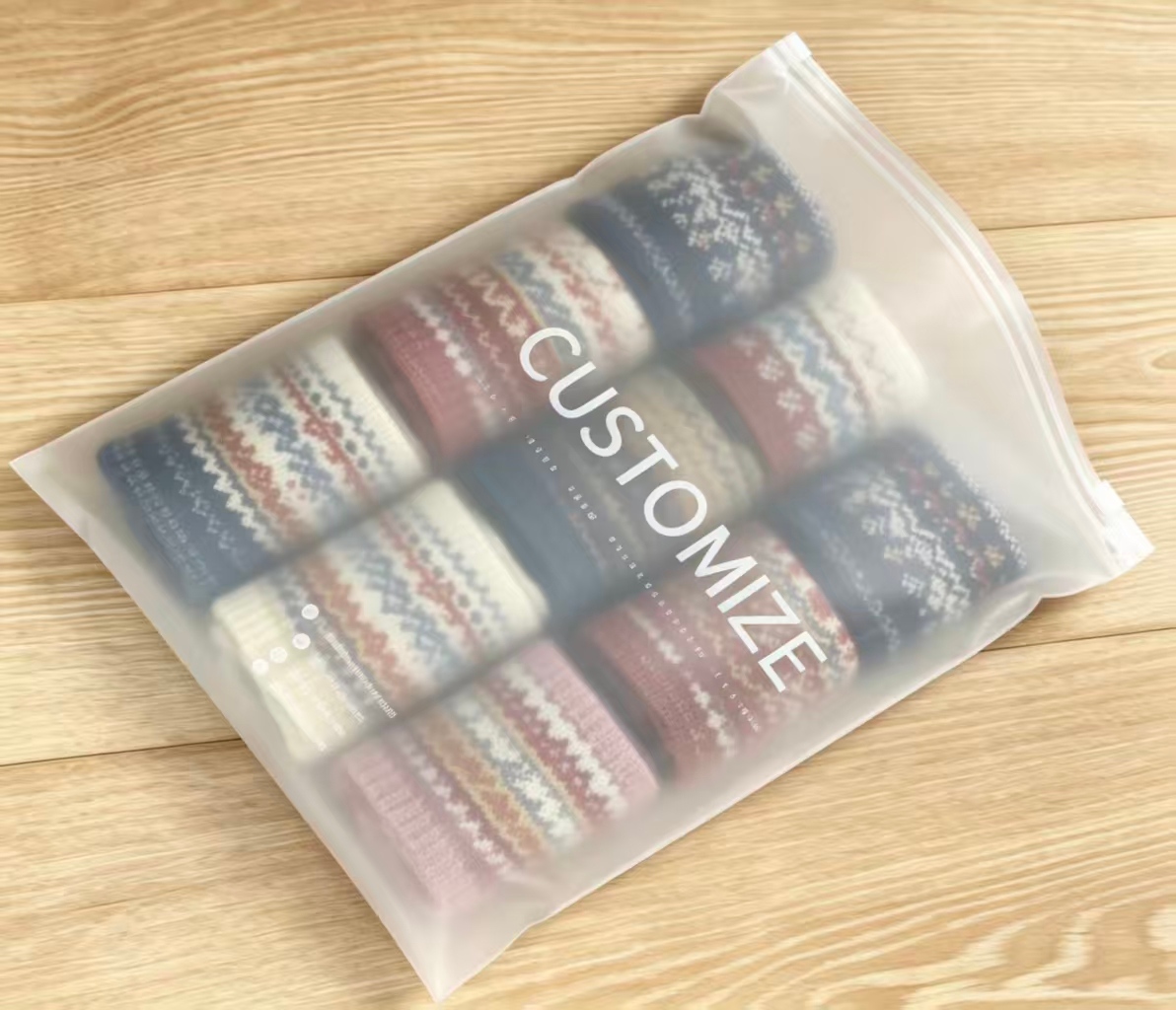
The same finishing options are available through custom compression sock range, including header cards, belly bands and printed polybags.
The Trust Information Hierarchy
Whatever format you choose, compression sock packaging must communicate five things in plain language: the pressure class (e.g., “15–20 mmHg — Firm Support”), the compression map (strongest at ankle, decreasing upward — a simple diagram works wonders), sizing guidance (ankle/calf circumference, not just shoe size), fiber content and certifications (OEKO-TEX marks, nylon/spandex percentages), and care instructions (machine wash cold, no bleach, no dryer — pressure recovery depends on it). Brands that treat this hierarchy as design constraint rather than clutter convert measurably better.
Header Cards: The Volume Standard
The polybag with header card is the category’s workhorse — economical, shelf-efficient, and ideal for multi-pair value packs. Effective header design leads with the benefit and pressure class in large type, keeps the front clean (product visible through the bag), and reserves the back for the full information hierarchy. Hang-hole placement matters for retail channels; barcode and compliance text belong on the back, factory-applied.
Boxes and Drawer Sleeves: The Premium Tier
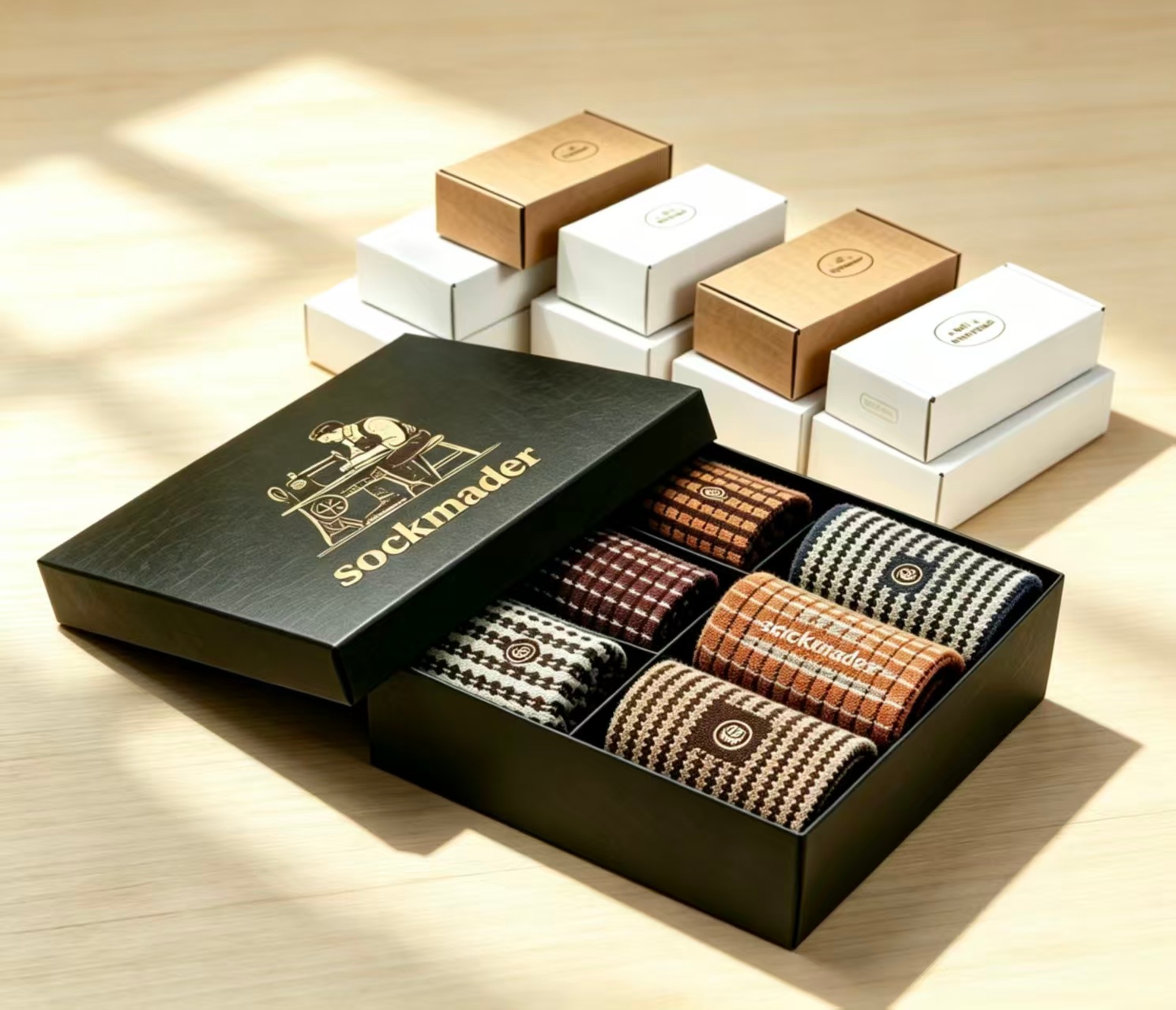
Rigid or folding cartons transform compression socks into gift-adjacent wellness products: gift-boxed pairs, drawer-sleeve packaging for premium merino or fashion ranges, and multi-pair “starter kits” (three pressure zones or three colorways in one box) that raise average order value. The unboxing moment also matters for direct-to-consumer brands — tissue wrap, an insert card with first-wear instructions, and a size-fit guarantee card reduce returns and drive reviews.
Tubes and Canisters
Cylindrical tube packaging borrows from athleisure and skincare aesthetics: premium shelf presence, product protection, and reusability that keeps the brand in the customer’s bathroom. Tubes suit flagship SKUs and gift sets rather than the full range, and pair naturally with sport recovery positioning.
Educational Insert Cards
The single highest-return packaging element in this category is the insert: a wear guide (how to put compression socks on correctly — the number-one friction point for new customers), a measurement card with ankle/calf ranges, and a “what to expect” note (leg warmth, initial tightness — normal; numbness — wrong size). A card that preempts these experiences converts confused customers into loyal ones and cuts fit-related returns dramatically.
Channel-Specific Requirements
Retail buyers expect: barcodes, compliance labeling (fiber content, country of origin), and often display-ready cartons or PDQ trays for shelf programs. Amazon programs demand polybag suffocation warnings and frustration-free packaging standards. Medical and pharmacy channels add pressure-class claims verification and, in regulated markets, medical device labeling — packaging designed for the wellness tier generally cannot cross into medical channels unchanged.
Sustainability Direction
Wellness customers skew sustainability-conscious: recycled kraft cards, soy inks, plastic-free boxes, and FSC-certified board are moving from differentiator to expectation. Several major retailers now list packaging material requirements explicitly — worth designing for at the outset rather than retrofitting.
Compression Socks vs Regular Socks picks up where this article leaves off.
FAQ
Q: What information must compression sock packaging include?
A: Pressure class in mmHg, sizing basis (ankle/calf measurements), fiber content percentages, certifications, care instructions — and compliance labeling per your market.
Q: Which packaging format sells best?
A: Header cards dominate volume retail; boxes and tubes win premium and D2C positioning. Most successful brands run header cards for core SKUs and boxed sets for gifting.
Q: Does packaging really affect compression sock returns?
A: Yes — sizing confusion and wrong-expectation experiences drive most returns; packaging and insert cards that educate measurably reduce both.
CONCLUSION
Compression sock packaging is a trust architecture: pressure class up front, sizing made simple, education tucked inside, and formats matched to channel. Brands that package the evidence — not just the sock — justify premium pricing and build the repeat-purchase base this category is famous for.
When you are ready to produce, Sockmader’s custom compression socks team covers sampling, MOQ and lead times in one place.