Sizing is the make-or-break variable in compression socks. A sock one size too small is painful and rolls down; one size too large delivers almost no compression at all — which means the customer paid for a function they did not receive. In our experience, incorrect sizing drives more returns and negative reviews in this category than all quality defects combined. This guide explains how compression sizing actually works, and what brands should do about it.
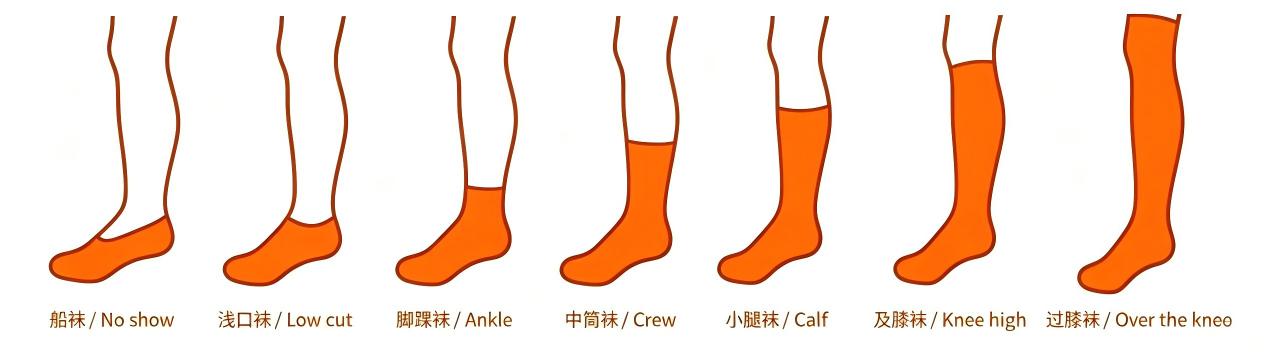
Sizes in this chart are available through custom compression socks, and every size run can be graded and sampled before bulk production.
Why Shoe Size Fails for Compression Socks
Standard socks are sized by foot length because their only job is to cover the foot. Compression socks have a second job — exerting pressure on the leg — and pressure depends on how tightly the fabric must stretch around the limb. Two people with the same shoe size can have dramatically different ankle and calf circumferences, and therefore need different sizes. That is why every serious compression size chart starts with ankle and calf measurements, not shoe size.
The Measurements That Matter
Three measurements build the chart. Ankle circumference (the narrowest point above the ankle bone) is the primary driver, because ankle pressure is where graduated compression is strongest. Calf circumference (the widest point of the calf muscle) determines whether the sock can stretch smoothly up the leg. And calf length (floor to below-knee bend) determines whether a standard length fits or a tall/short version is needed. Shoe size remains a secondary check for foot volume and toe fit.
Reading a Professional Size Chart
A well-built chart offers four to six sizes covering the adult population, each specifying a range of ankle and calf circumference. If a supplier’s chart maps sizes only to shoe sizes or generic S/M/L with no measurements, the product behind it was likely not engineered as true graduated compression. For brands, this is one of the fastest supplier evaluation tests that exists: ask for the circumference-based chart and see what comes back.
Where Fit Fails — and Who Is Affected
The classic failure patterns: socks that roll or slide down (calf too wide for the size, or elastane too weak), socks that dig in and leave deep marks (size too small or non-graduated pressure), socks that bunch behind the knee (calf length mismatch — tall customers in standard lengths), and toes going numb (foot volume mismatch). Athletic builds, plus-size customers, and taller users are systematically underserved — which is exactly why extended-size ranges (up to 3XL and tall versions) are among the highest-converting product expansions in this category.
What Brands Should Do: Sizing as a Conversion Tool
Treat sizing content as product infrastructure. Publish a measurement guide with a short video, state circumference ranges on every product page, and answer “what size am I?” in the FAQ. Brands that add an interactive size finder typically cut fit-related returns by 30–50%. Include a printed measurement card in packaging — it reduces returns from gifts and builds premium trust. And when you receive returns, log the reason: a cluster of “too tight around calf” on one SKU is a product-development instruction, not a customer complaint.
Working With Your Factory on Size Runs
When developing custom ranges, provide your factory with target market anthropometric data and ask for graded size specifications per size (ankle range, calf range, stretched dimensions, and target mmHg at mid-range). Verify pre-production samples on real legs across the size range, not mannequins. The best factories will adjust grading per market — US, EU and Asian size expectations differ meaningfully.
We go deeper on How Are Diabetic Socks Made? in a separate guide.
FAQ
Q: Should I size up if I am between sizes on the chart? A: Follow the chart’s ankle measurement first; for medical-grade compression, most brands advise the smaller size for effective pressure, while comfort-first wellness lines advise the larger. Q: How many sizes should a compression sock range have? A: Four to six adult sizes plus a tall option covers the vast majority of the market; extended sizes beyond that serve underserved segments with high loyalty. Q: Do compression sock sizes match regular sock sizes? A: No — compression sizing runs on limb circumference. Never map a compression size chart directly from an S/M/L fashion sock chart.
CONCLUSION
In compression socks, sizing is the product. Get the chart circumference-based, educate customers with clear measurement content, and treat fit feedback as development data — and the category’s notorious return problem becomes a competitive advantage instead of a margin leak.
To move from plan to order, send artwork, size range and quantity through Sockmader.
When you are ready to source, the Sockmader custom compression socks team can quote sampling, MOQ and lead times for your quantity.