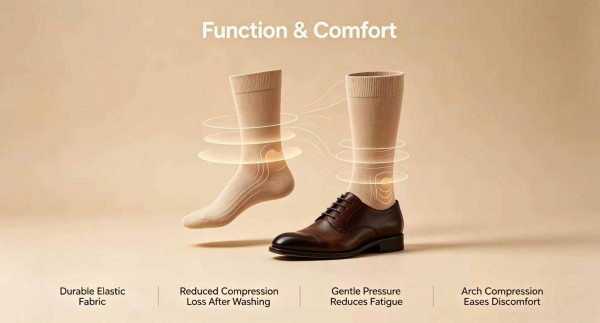
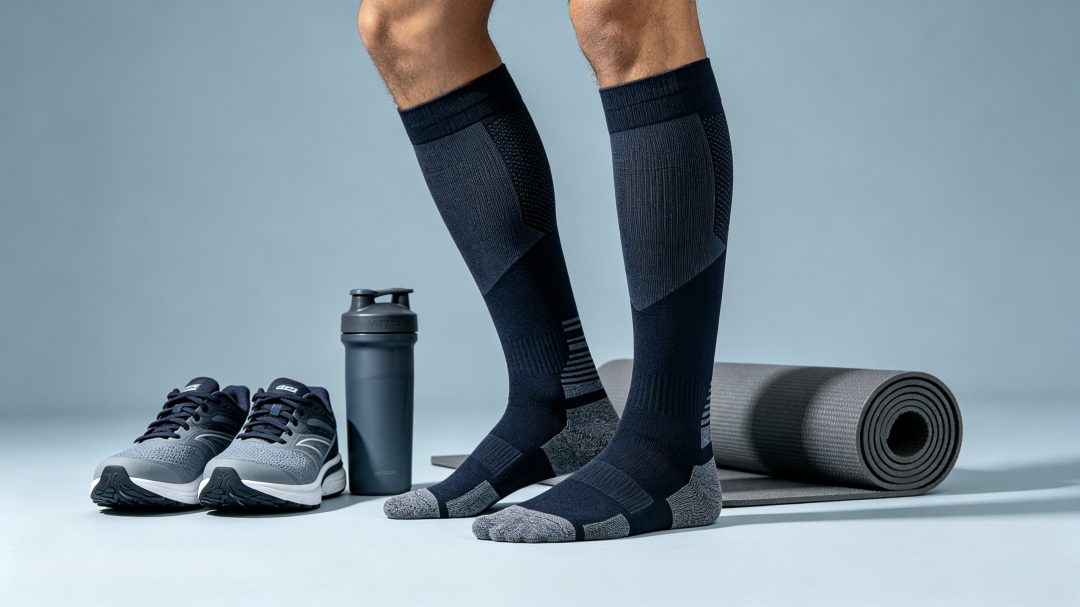
Diabetic socks are quietly becoming one of the most structurally supported categories in hosiery. The driver is demographic: global diabetes prevalence keeps climbing alongside aging populations, and foot care sits at the center of diabetes management — where prevention costs a fraction of treatment. From the manufacturing side, here are the trends shaping what this category becomes.
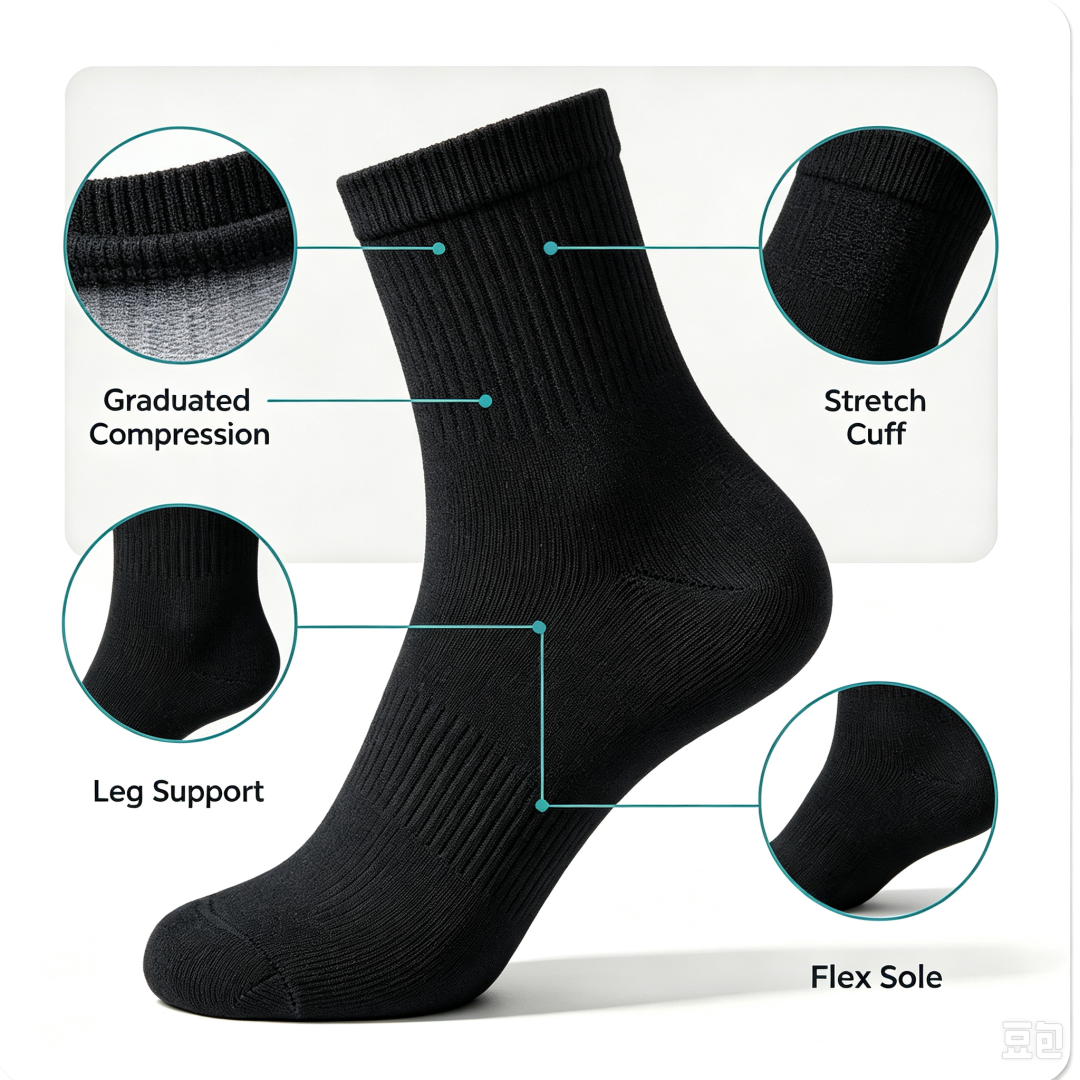
These directions are already running through wholesale compression socks, and new styles can be sampled in roughly two weeks.
Trend 1: Demographic Tailwinds
The category’s demand foundation is strengthening every year. Hundreds of millions of people live with diabetes worldwide, foot complications are among its most common serious outcomes, and daily preventive foot care is standard medical guidance. Unlike fashion categories, this demand is non-discretionary and recurring — diabetic socks wear out and get replaced on a steady cycle, making the category closer to healthcare consumables than apparel.
Trend 2: Therapeutic Construction, Lifestyle Design
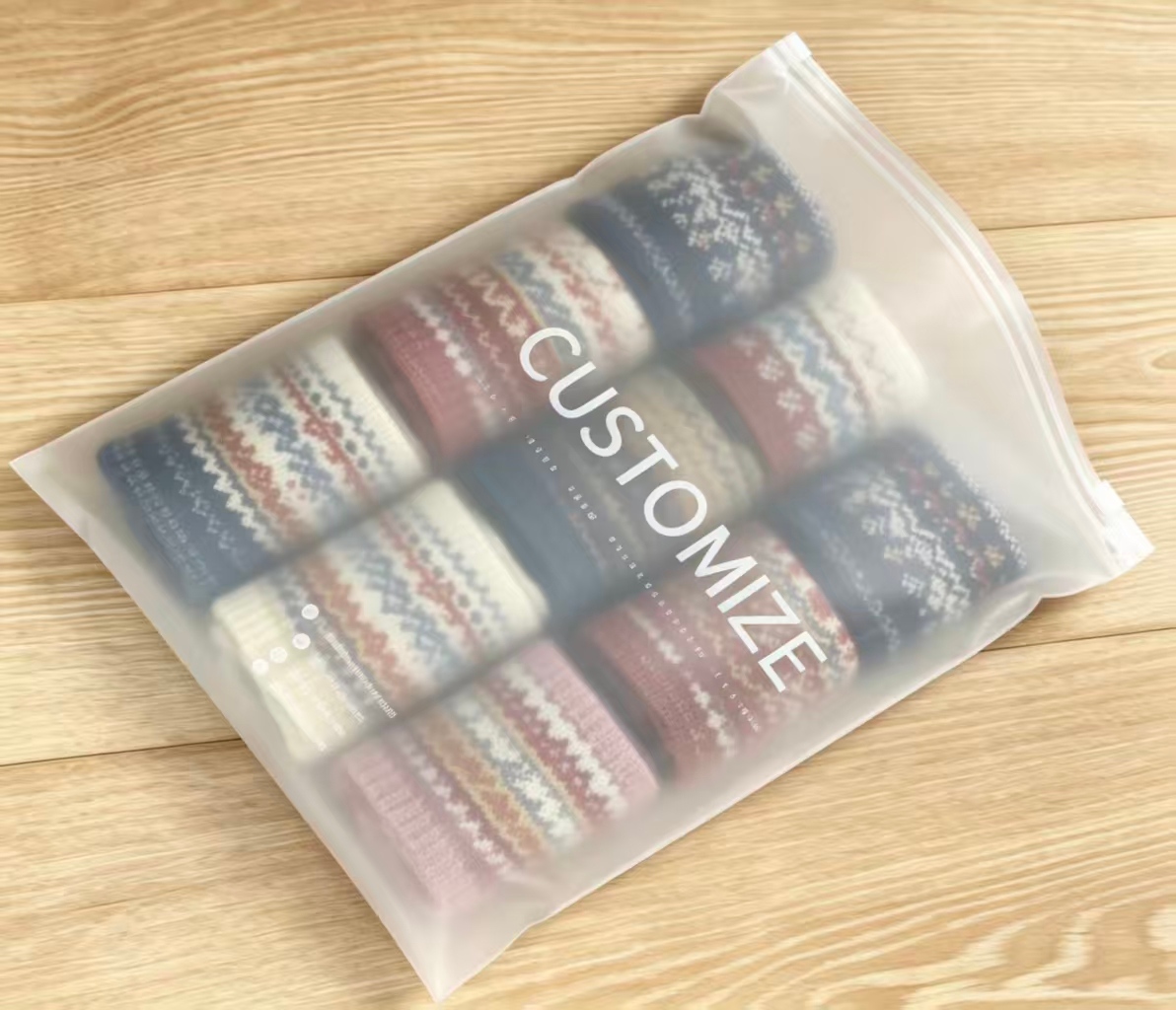
The biggest product shift: diabetic socks are shedding their clinical appearance. Seamless toes, non-binding cuffs and moisture-wicking fibers — the core therapeutic engineering — now come in colors, patterns and fashionable styling, because the average customer is an active adult who wants normal-looking socks, not medical-looking ones. Brands that deliver “invisible therapy” (clinical construction, lifestyle design) are growing fastest.
Trend 3: Retail and Pharmacy Channel Expansion
Distribution is broadening from medical supply channels into mainstream retail: pharmacies, supermarkets, online health stores and even fashion e-commerce. As the customer base normalizes — diagnosis ages skew younger than the stereotype — purchasing behavior follows general apparel patterns: online subscriptions, multipacks, and brand loyalty driven by comfort.
Trend 4: Smart Textiles on the Horizon
Wearable health monitoring is extending into hosiery. Research-stage and early commercial products embed sensors in socks to track foot temperature (an early warning signal for ulceration), pressure distribution, and gait. Mass adoption remains years away at consumer price points, but the direction matters: socks are a natural monitoring platform for diabetic foot care, and early movers are building IP positions now.
Trend 5: Sustainability Enters Health Hosiery
Even this practical category is feeling sustainability pressure: recycled fibers (GRS-certified), organic cotton, and OEKO-TEX documentation are appearing in buyer specifications. Health-conscious customers correlate clean materials with product trust, so the sustainability story doubles as a quality signal.
Trend 6: Education-Led Marketing
The winning brands in this category increasingly market through education: foot-care guides, “what makes a sock diabetic” explainers, and fitting content. Because the product’s value is invisible (you cannot see a seamless toe’s benefit), trust must be built with information — which rewards brands with genuine manufacturing expertise and punishes marketing-only players.
We handle the adjacent decision in How Are Compression Socks Made?.
FAQ
Q: Is the diabetic sock market growing? A: Yes — structurally, driven by rising diabetes prevalence, aging populations and the shift from treatment to preventive care economics.
Q: Are fashionable diabetic socks as effective as clinical ones? A: When the construction features are genuine — seamless toe, non-binding cuff, moisture-wicking fiber — appearance is independent of function. Verify construction, not styling.
Q: Are smart diabetic socks available now? A: Sensor-embedded socks exist in early commercial and clinical-trial forms at premium prices; mass-market versions are still developing.
CONCLUSION
Diabetic socks are evolving from medical commodity to lifestyle health product, carried by demographic demand that does not fluctuate with fashion. The category’s winners will combine genuine therapeutic construction, mainstream design, education-led trust building — and an early position in whatever smart hosiery becomes.
For brands entering now, the practical order is clear: lock the therapeutic specification first, then dress it in colors and packaging that do not look clinical. Buyers who reverse that order end up with a sock that photographs well but fails on the foot, which is the most common reason this category sees strong first orders and weak repeats.
When you are ready to produce, Sockmader’s custom sock manufacturing team covers sampling, MOQ and lead times in one place.
Start your next order with custom compression socks from Sockmader — send artwork, size range and target quantity for a quote.