Fuzzy socks are a feel-driven purchase — and that makes sourcing quality surprisingly tricky, because “soft” in a sample box and “soft after ten washes” are two different products. Buyers who evaluate only initial touch routinely end up with pilling inventory and disappointed customers. This guide covers what actually distinguishes quality fuzzy socks and how professional buyers source them.
Every specification in this guide is adjustable through thermal sock manufacturing, from yarn and gauge to cushioning and packaging.
Know the Three Constructions
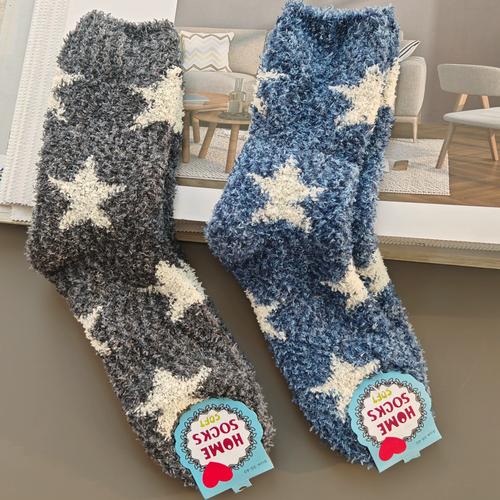
“Fuzzy” is not one product. Chenille-knit socks (plush velvet-like yarn knitted throughout) offer dense luxury at a higher price. Brushed terry socks (looped interior mechanically brushed into nap) are the volume workhorse — cozy, affordable, durable. Sherpa/faux-fur lined socks are the fluffiest and warmest, positioned as premium winter comfort. Each construction has different cost, weight and pilling behavior, so first decide which product you are actually buying.
The Anti-Pilling Standard That Matters
Pilling — those annoying fiber balls — is the category’s number-one quality complaint. The professional benchmark is the pilling grade on a 1–5 scale (tested under ISO 12945 or Martindale methods). Specify grade 3.5 or higher in your purchase agreement and request the test report with samples. Pilling resistance comes from yarn quality (low-pill polyester), proper twist, and anti-pilling finishing — all factory-level decisions you cannot inspect your way around later.
Always Run the Five-Wash Test
Before approving bulk production, machine-wash and dry sample pairs five times, then re-evaluate: nap loft, softness, shrinkage, and colorfastness. A pair that still feels genuinely soft after five cycles will survive your customer’s winter. This test costs nothing and catches the majority of fuzzy sock quality failures before they become inventory.
Check the Construction Details
Four details separate quality pairs: reinforced heel and toe (the first zones to wear through), a covered-elastane cuff that grips without binding (tight cuffs are the top comfort complaint), consistent nap depth across the pair (patchy brushing is visible on shelf), and pre-shrunk finishing (so the size on the label stays true). Ask suppliers directly about each; the answers map reliably to factory competence.
Material Choices and Price Tiers
Standard softness comes at polyester price points; premium hand-feel and eco stories come from cotton-blend chenille or recycled polyester (GRS-certified). Recycled options now brush to near-identical softness and satisfy the sustainability requirements increasingly common in retail listings. Match material tier to your retail price architecture rather than defaulting to the cheapest option — fuzzy socks’ margin comfortably supports a mid-tier blend.
Buy Packaging as Part of the Product
Fuzzy socks are gifts and self-treats, so presentation drives conversion: header cards, kraft boxes, cellophane bundles with ribbon, and multi-pair gift sets. Pre-assorted 3-pair packs in complementary colors are the category’s best-selling format — higher basket value, gift-ready, and they let factories bundle slower colors with heroes. Budget packaging at 10–15% of landed cost and brief it with the same care as the sock itself.
Timing and Quantity Strategy
Demand peaks hard in Q4 (holiday gifting and cold weather) with a secondary spring bump for Mother’s Day and self-care retail. Place holiday orders by mid-summer for sea freight. A sensible opening assortment: 3–5 colorways of one construction, weighted toward neutral cream/gray/blush shades that outsell loud colors, plus one or two seasonal accent designs.
If that is settled, the next question is usually answered in 12 Fuzzy Socks Design Ideas Customers Can’t Resist.
FAQ
Q: What is the best quality indicator for fuzzy socks?
A: A pilling grade of 3.5+ (ISO 12945) proven by a five-wash sample test — softness on arrival tells you almost nothing about durability.
Q: Are recycled polyester fuzzy socks as soft as regular ones?
A: Yes — GRS-certified recycled polyester brushes to nearly identical softness and is now expected by many retail buyers.
Q: What MOQ should I expect for custom fuzzy socks?
A: Typically 500–1,000 pairs per design, with lower minimums for stock programs with custom packaging.
CONCLUSION
Sourcing winning fuzzy socks comes down to demanding evidence: pilling test reports, five-wash sample results, and construction specs in writing. Do that, package for gifting, and order the calendar correctly — and the coziest category in hosiery becomes one of your most dependable sellers.
When you are ready to produce, the Sockmader custom sock factory covers sampling, MOQ and lead times in one place.
Start your next order with custom thermal socks from Sockmader — send artwork, size range and target quantity for a quote.