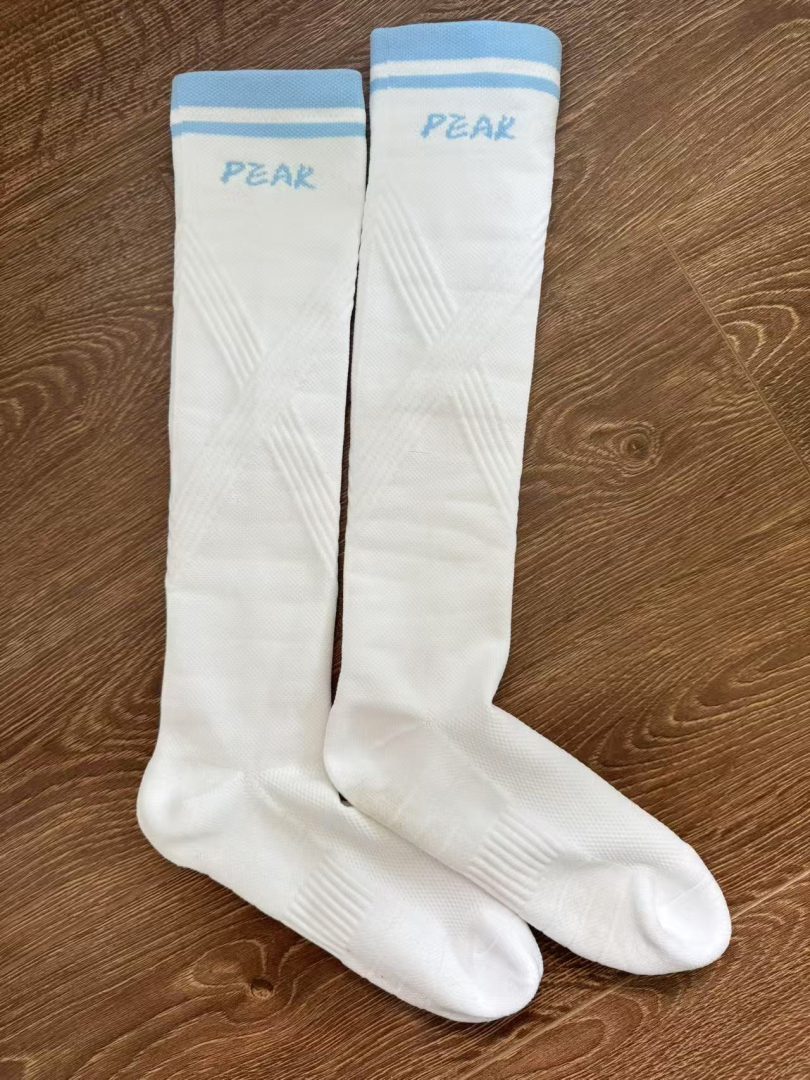
Fuzzy socks look like the most forgiving product in hosiery — stretchy, plush and seemingly one-size-fits-most. In practice, sizing still decides whether a pair feels like a cloud or a tourniquet, and whether it survives washing without shrinking two sizes. For retailers and brands, understanding how fuzzy sock sizing actually works prevents both customer complaints and avoidable inventory mistakes.
Sizes in this chart are available through custom thermal sock range, and every size run can be graded and sampled before bulk production.
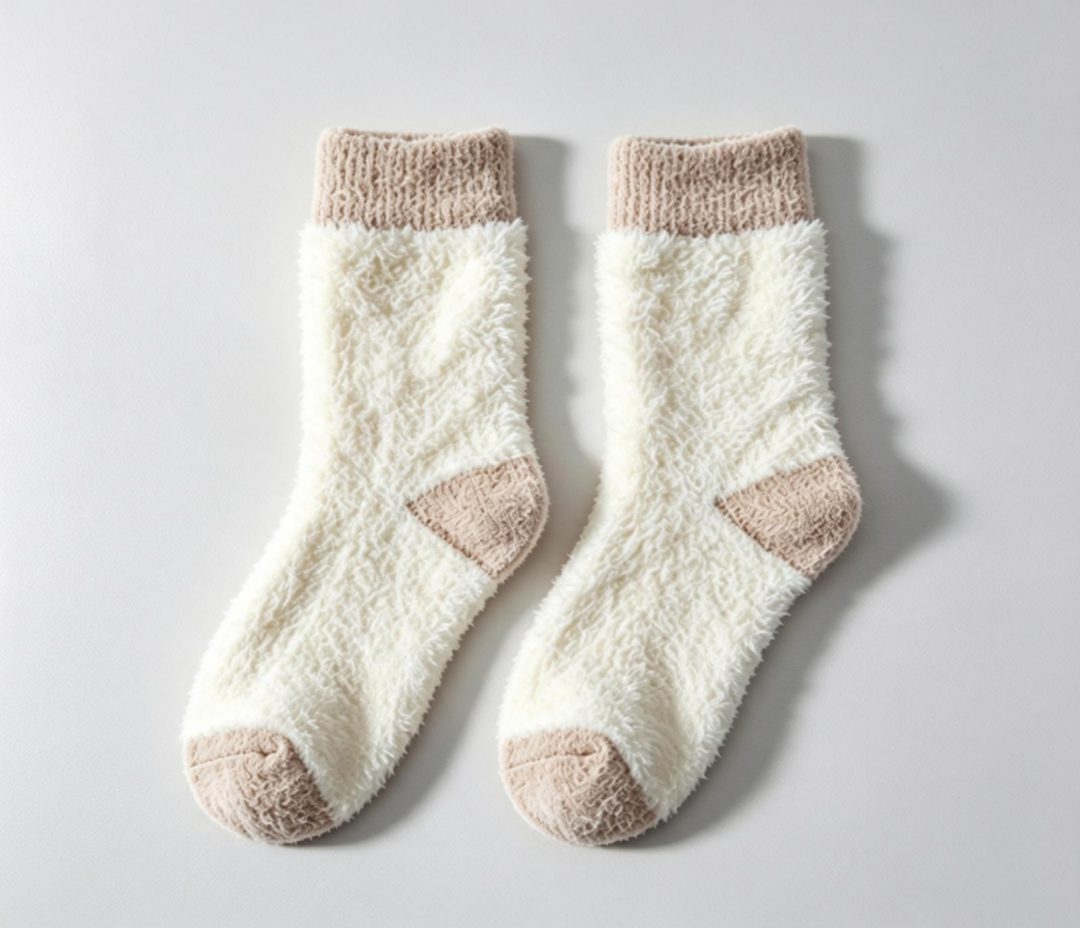
How Fuzzy Sock Sizing Works
Most fuzzy socks are built around generous stretch: polyester or poly-blend knits with elastane that accommodate a wide foot range. The typical commercial structure is one adult size stretching from US women’s 5 through men’s 10, plus separate kids and plus sizes. The critical nuance is that the brushed nap adds effective thickness — a fuzzy sock in the “same size” as a thin dress sock has less internal room. Quality factories grade fuzzy patterns slightly larger to compensate; cheap ones do not, which is why identical-looking pairs fit so differently.
The Shrinkage Factor
Fuzzy socks carry a unique sizing risk: the brushing and washing process can shrink the base fabric if it is not properly heat-set. Well-made fuzzy socks are pre-shrunk and stabilized in finishing so a machine-wash does not pull them a full size down. This is a factory-level variable, which is why wash-testing samples (five cycles, then re-measure) is standard practice for professional buyers before approving bulk production.
Size Chart Basics for Fuzzy Socks
A practical chart covers: adult standard (US W5–M10 / EU 36–44), adult large or plus (up to US M13 / EU 46+), and kids (roughly ages 4–10). Because fuzzy socks are gifted heavily, charts should translate into plain-language gift guidance — “fits most women,” “fits most men,” “ages 4–10” — rather than raw measurements. Gift buyers do not measure feet; they read labels.
Gender, Kids, and the Gift Market
The fuzzy sock customer is overwhelmingly a gift buyer or self-treat purchaser, buying without trying on. That makes packaging size communication part of the product: clear size windows on header cards, and multi-pack sets that are either explicitly one-size or clearly mixed. Mixed-size family sets (adult + kids pairs in matching designs) are a proven holiday seller and need precise size labeling on each pair, not just the outer bag.
Where Fuzzy Sock Fit Fails
The recurring complaints in this category: cuffs too tight (ankle marks from non-graded elastic), toes bursting after a month (heel/toe reinforcement skipped to save cost), and post-wash shrinkage. Each traces back to a construction decision, not to the customer’s foot. When sourcing, specify covered elastane cuffs, reinforced heel and toe, and pre-shrink finishing — then verify with your own wash test rather than trusting the spec sheet alone.
Wholesale Sizing Strategy
For inventory planning, the commercial reality is that fuzzy socks skew heavily toward the standard women’s range, with men’s and kids sizes as complementary lines. A typical opening order weights 70% standard, 20% kids, 10% plus — then reorders follow actual sell-through data. Since the category peaks in Q4 gifting, sizing errors discovered in December cannot be corrected; they can only be discounted. The sizing decision is effectively made at sampling stage, months earlier.
FAQ
Q: Do fuzzy socks run small compared to regular socks?
A: They can — the plush nap reduces internal room. Quality factories grade patterns larger to compensate, so fit varies more between factories than between nominal sizes.
Q: Will fuzzy socks shrink in the wash?
A: Properly pre-shrunk and heat-set pairs will not shrink meaningfully; untreated budget pairs can lose a full size. Wash-test samples before bulk approval.
Q: What size range should a new fuzzy sock brand launch with?
A: One generous adult standard size plus a kids size covers the vast majority of demand; add plus sizes once sell-through data justifies it.
CONCLUSION
Fuzzy sock sizing looks trivial and is not: stretch grading, pre-shrink finishing and cuff construction all decide whether “one size fits most” is true for your customers. Specify the construction details, wash-test before ordering, and label sizes in gift-buyer language — small efforts that quietly remove the category’s most common negative reviews.
Ready to price this out? Start with a sample from Sockmader’s custom thermal socks team, or send your artwork and target quantity for a quote.