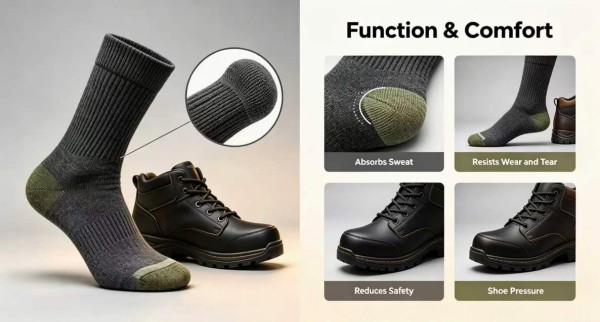
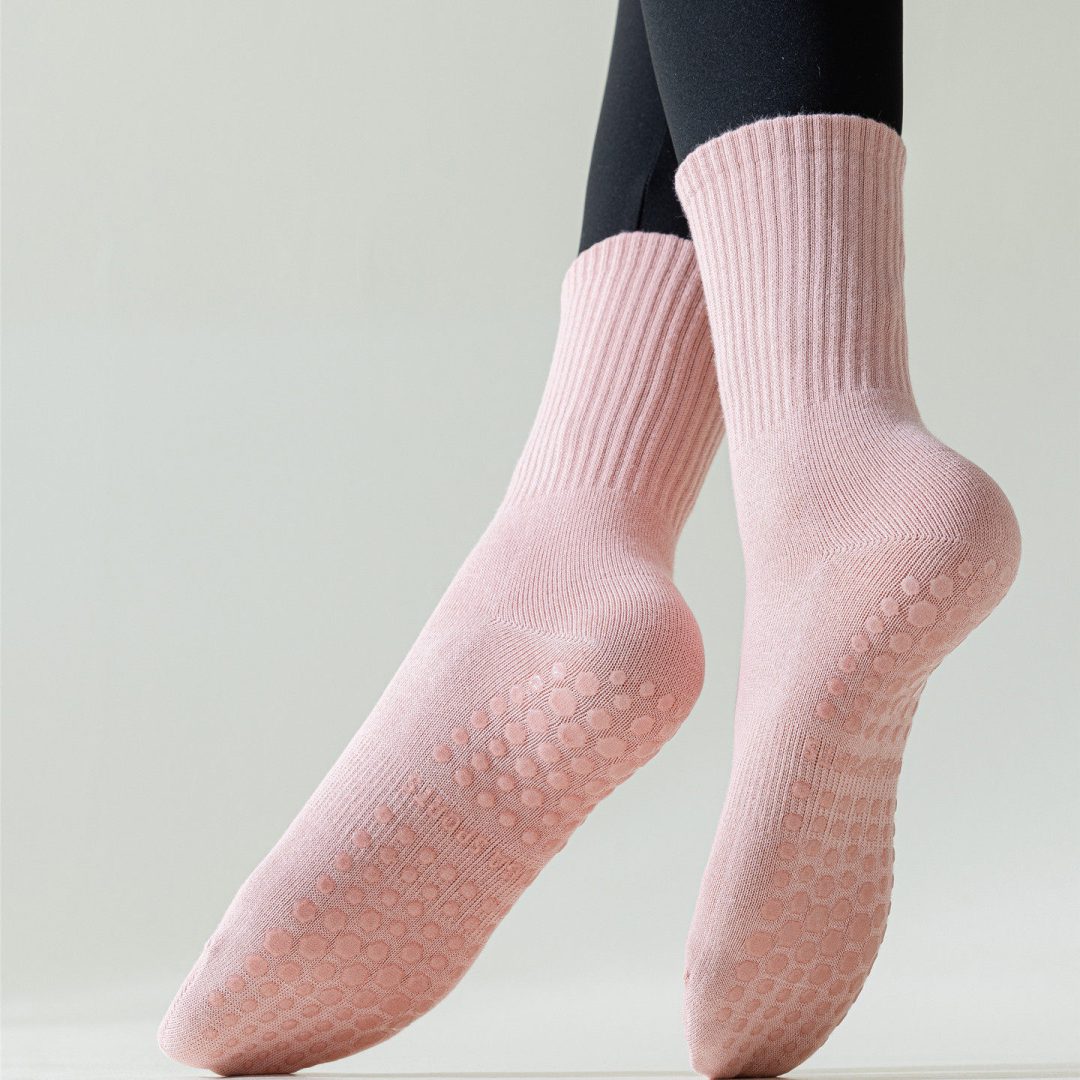
Sourcing printed socks is harder than sourcing knitted ones, because you are evaluating two processes rather than one: the knitting of the blank and the printing applied to it. A supplier can be excellent at one and mediocre at the other, and the finished sock is only as good as the weaker of the two. Knowing what to inspect, and asking the questions that expose a weak link, is the whole of the job.
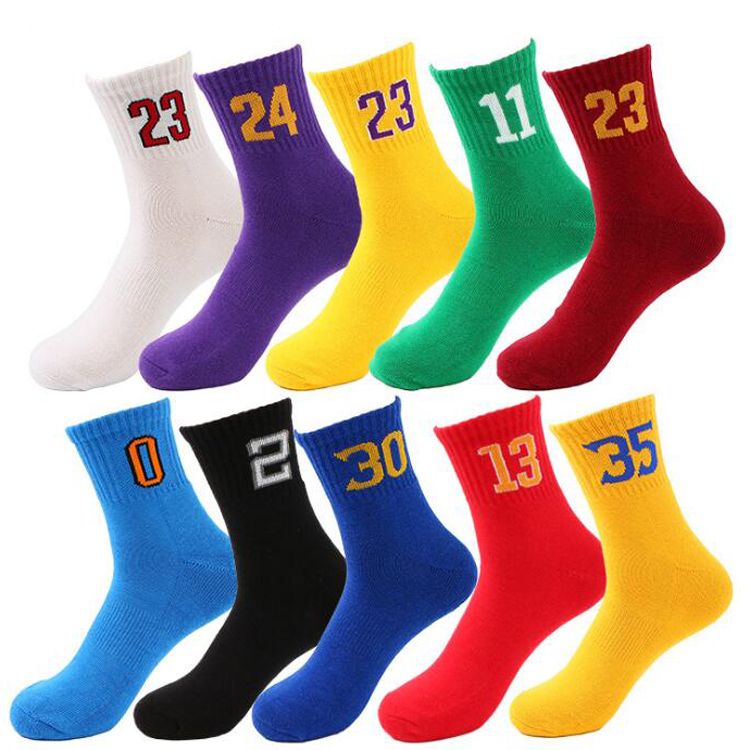
Factory audits, certifications, MOQ and lead times for this category are documented on the wholesale printed socks page.
Evaluate the Blank First Before discussing artwork, establish what the supplier prints on. Ask for the exact fibre composition of the blank, the knit structure, and whether the blank is made in-house or bought in. A supplier who knits their own blanks controls quality end to end; one who buys them in may change source without telling you, which changes the print result. Ask whether the blank is pre-treated for printing, since pre-treatment significantly improves colour yield and wash fastness.
Assess Print Capability Ask what printing technology they run — digital direct, sublimation, or both — and why they use each. Ask for the maximum printable area, whether they can print a white underbase, and how they handle left-right placement. Ask to see the print floor rather than only the sample room: the age and condition of the equipment, the presence of colour management hardware and the cleanliness of the environment all tell you more than a portfolio of best work.
Colour Management and Proofing A serious print supplier profiles their printers and can produce a physical colour proof on the actual blank before production. Ask whether they use ICC profiles and whether they can match to a supplied physical reference. Ask what proofing costs and how long it takes. A supplier who proofs only on paper, or who insists a screen image is sufficient, will produce colour surprises on the bulk order.
Wash Fastness and Compliance Request wash-test data to a recognised standard — colour fastness to washing and to rubbing are the two that matter — and, if you sell into regulated markets, ask for OEKO-TEX certification on both the blank and the inks. Inks used on garments worn next to skin should be certified. A supplier who has this documentation ready is a supplier who has been through the process before.
Sampling and Approval Sequence Follow a fixed sequence: approve the blank first, then a printed colour swatch, then a full physical proof on a leg, then a pre-production sample from the actual run. Each step catches a different class of error, and skipping any of them is how bulk orders go wrong. Budget three to five weeks for this sequence before production begins.
Cost Control Printed sock cost is driven by blank quality, print coverage, and quantity. Heavy all-over coverage costs more in ink and time than a placed motif. Minimums are much lower than for knitted production — often 50 to 100 pairs — which makes sampling cheap but means unit cost stays high at low volume. Plan for a price break somewhere between 500 and 1,000 pairs, and ask where it falls before you plan a range.
We handle the adjacent decision in Animal Print Socks Design Ideas.
FAQ
Q: Should I use a supplier who prints in-house? A: Yes, if they also control the blank. It removes the most common source of inconsistency.
Q: What is the most common sourcing mistake? A: Approving a paper or screen proof instead of a physical proof on the actual sock.
Q: How do I compare two quotes? A: On blank composition, print method, proofing included and wash-test standard — not on price alone.
Q: Is a low minimum a good sign? A: It is good for testing and bad for unit cost. Expect to pay more per pair below 500.
CONCLUSION
Sourcing printed socks means auditing two processes: the blank and the print. Establish the blank composition, inspect the print capability in person, insist on physical proofing on the actual sock, and request wash-test and compliance documentation. Follow the full approval sequence before production. It costs a few weeks and prevents the failures that turn a bulk order into a write-off.
Ready to price this out? Start with a sample from Sockmader’s custom sock manufacturing team, or send your artwork and target quantity for a quote.
If you are planning your own line, our custom printed socks program covers sampling, MOQ and lead times in one place.