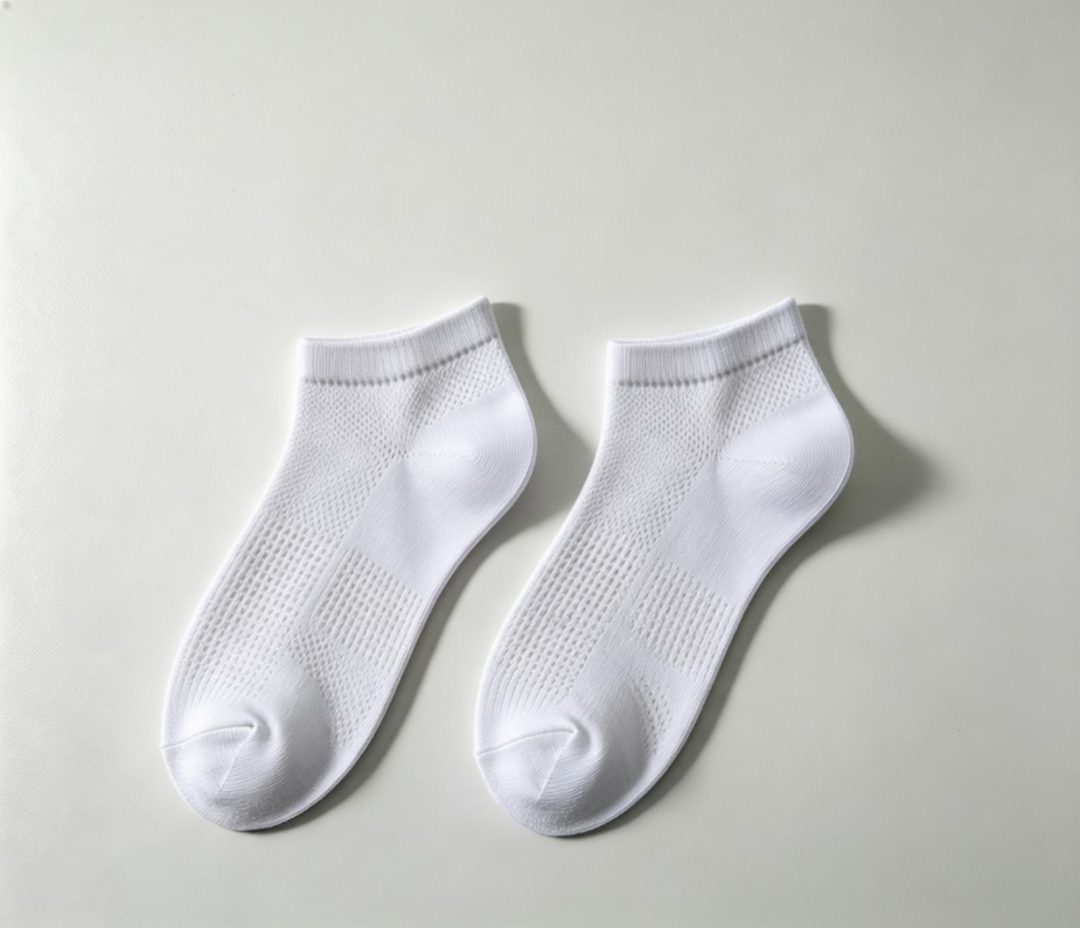
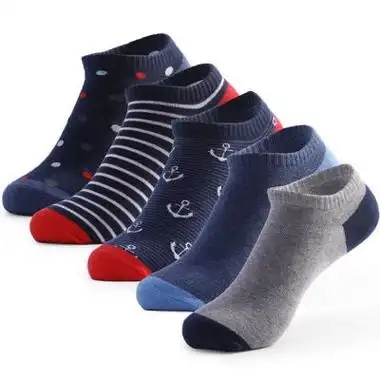
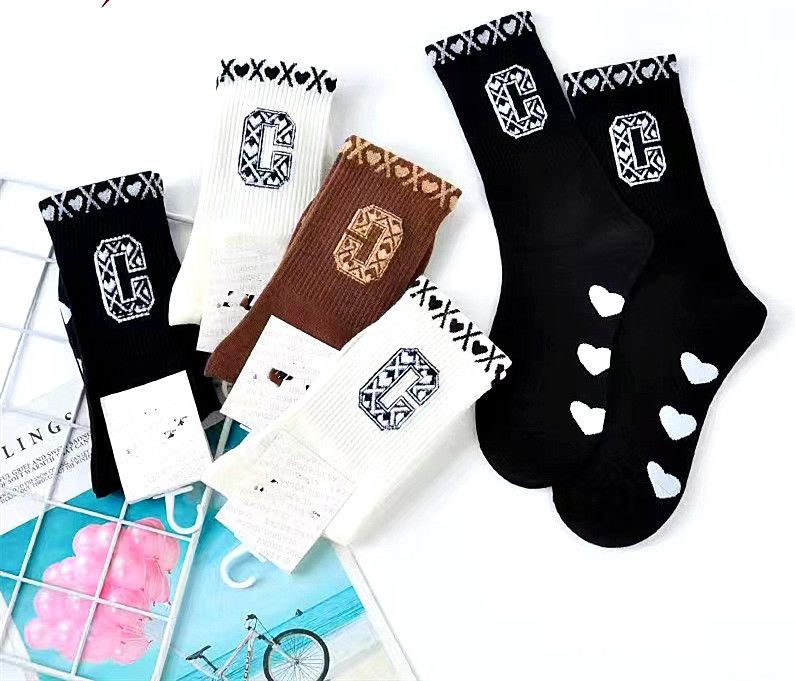
Cotton socks are the most competitive product in hosiery and one of the most accessible to launch. The minimum order is low, the product is small and cheap to ship, and every customer already understands what it is. That combination means almost anyone can start — and that most who do start struggle, because accessibility brings competition. The brands that survive do not compete on price. They pick a position, specify a sock that justifies it, and build a palette customers recognise.
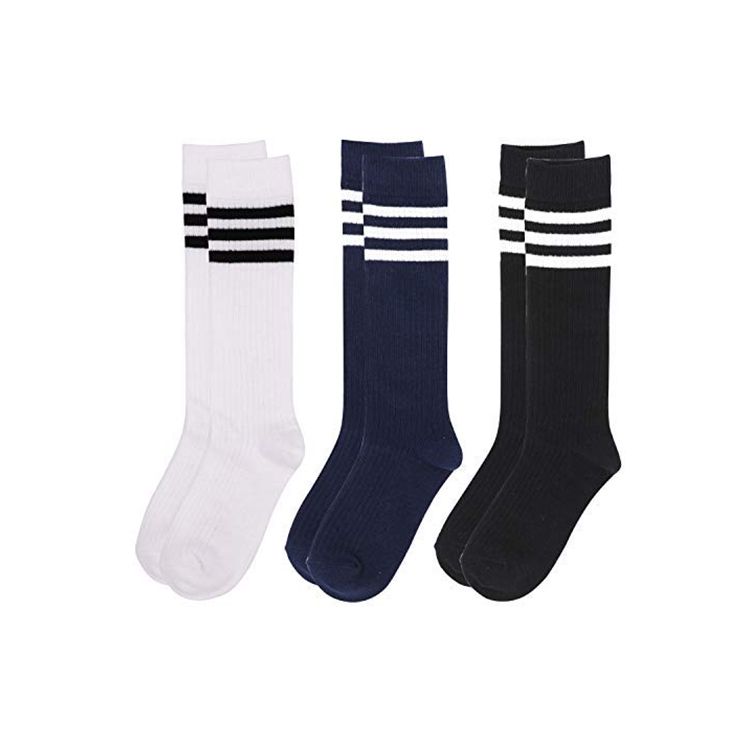
Sampling, production and retail packaging for a first line all run through wholesale cotton socks.
Find a Position Before a Product “Cotton socks” is not a brand. “Undyed organic cotton basics for people with sensitive skin,” “heavyweight ribbed crews for skate and workwear,” “tonal cotton socks sold in curated three-packs as a subscription,” and “monogrammed cotton socks for corporate gifting” are four businesses with four different products. Each implies a different yarn, weight, colour strategy and channel. Choose the position first; every specification decision becomes easier afterwards.
Specify for the Position Translate the position into a spec sheet. A sensitive-skin brand needs GOTS-certified combed cotton and a linked toe. A workwear brand needs heavyweight ribbed terry and reinforced heels. A gifting brand needs fine gauge, monogram capability and presentation packaging. A subscription brand needs a tight, cohesive palette and reliable restocking. If the specification does not obviously follow from the position, the position is not yet specific enough.
Sample, Wash, Then Sample Again Order a sample in the actual production yarn, wear it for a week, and wash it ten times. Check three things: whether the heel has thinned, whether the cuff still recovers, and whether the surface has pilled. These are the three failures customers complain about, and none of them is visible in a fresh sample photographed on a white background. Most first-order regret could have been avoided by this one step.
Unit Economics and Pricing Custom cotton socks typically start at around 300 pairs per design, with meaningful price breaks at 1,000 and 3,000. Add packaging, freight and duties for a landed cost, then target a retail price of at least four times that figure — below three times and there is no room for marketing. The most common financial mistake is buying a larger quantity to reach a lower unit price before knowing whether the design sells.
Channels That Work Direct-to-consumer works well for cotton socks because the product is small, ships cheaply and suits subscription and multipack mechanics. Independent retail and concept stores work for distinctive design-led ranges. Corporate and team orders are the most underrated channel — they buy in bulk, reorder predictably, and care less about unit price than about reliability. Marketplaces provide volume but compress margin and make differentiation harder.
Build for the Second Order Socks wear out and customers replace them, so the second order is where the business is actually built. Keep core colours permanent, hold your specification on file so reorders do not require re-sampling, and keep an approved counter-sample so you can check what arrives. Retire seasonal colours cleanly rather than quietly changing them, because a customer reordering a favourite shade will notice.
We handle the adjacent decision in How Are Cotton Socks Made?.
FAQ
Q: How much does a first order cost? A: Budget for sampling, a 300-pair minimum run, packaging and freight. It is among the cheapest apparel categories to enter.
Q: Private label or custom design to start? A: Private label validates demand quickly; custom builds the brand. Most founders do the first, then move to the second.
Q: How many styles should a launch have? A: Three or four, in a shared palette. Enough to look like a range, few enough to learn which sells.
Q: What is the biggest risk? A: Competing on price against commodity multipacks. It is a race nobody new wins.
CONCLUSION
A cotton sock brand is built on a specific position, a specification that follows from it, and a palette customers recognise. Sample in production yarn and wash-test before committing, price for at least four times landed cost, and choose a channel where the position makes sense. The product is accessible to everyone, which is exactly why the differentiation has to be decided before the first order.
To move from plan to order, send artwork, size range and quantity through Sockmader’s custom sock manufacturing team.
When you are ready to source, the Sockmader custom cotton socks team can quote sampling, MOQ and lead times for your quantity.