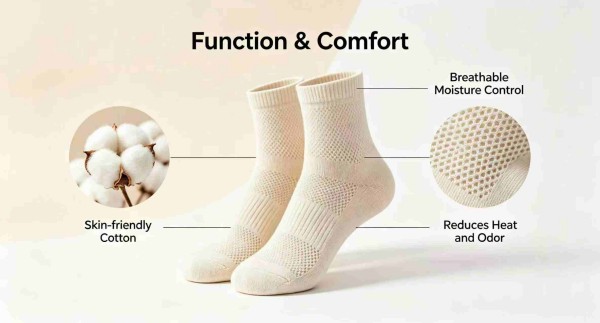
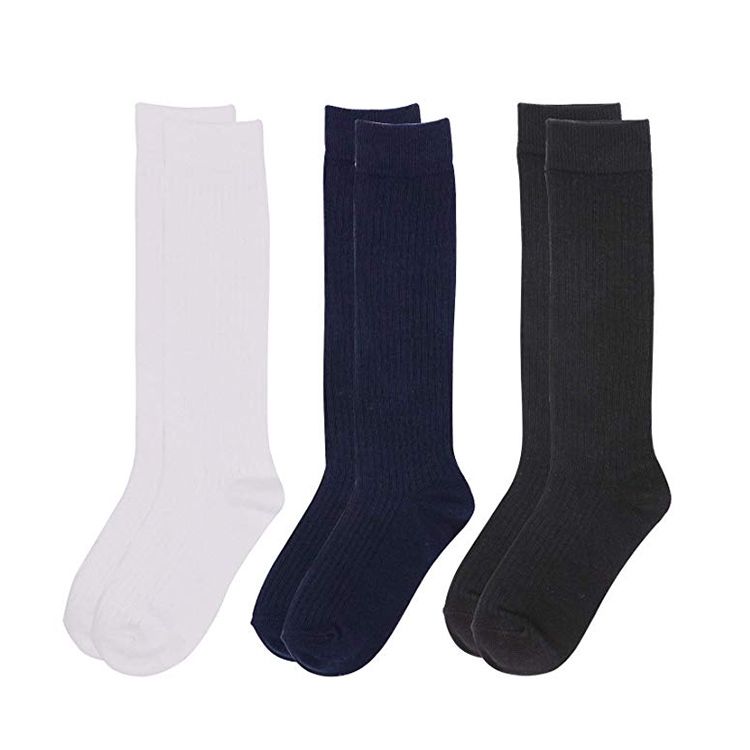
Organic cotton socks are sold on a promise that is easy to overstate. The fiber is not softer, it is not stronger and it does not last longer than conventional cotton of the same staple length. What it does deliver is a documented supply chain: cotton grown without synthetic pesticides or fertilisers, processed without a long list of restricted chemicals, and verified from farm to finished garment. For some buyers that is the entire point, and for others it is irrelevant. Knowing which benefits are real is what makes it a defensible purchase.
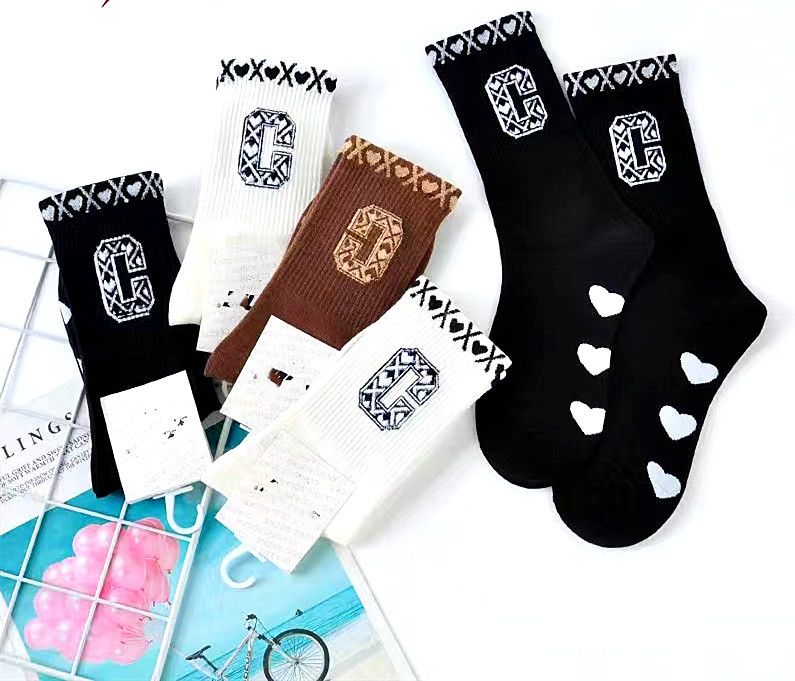
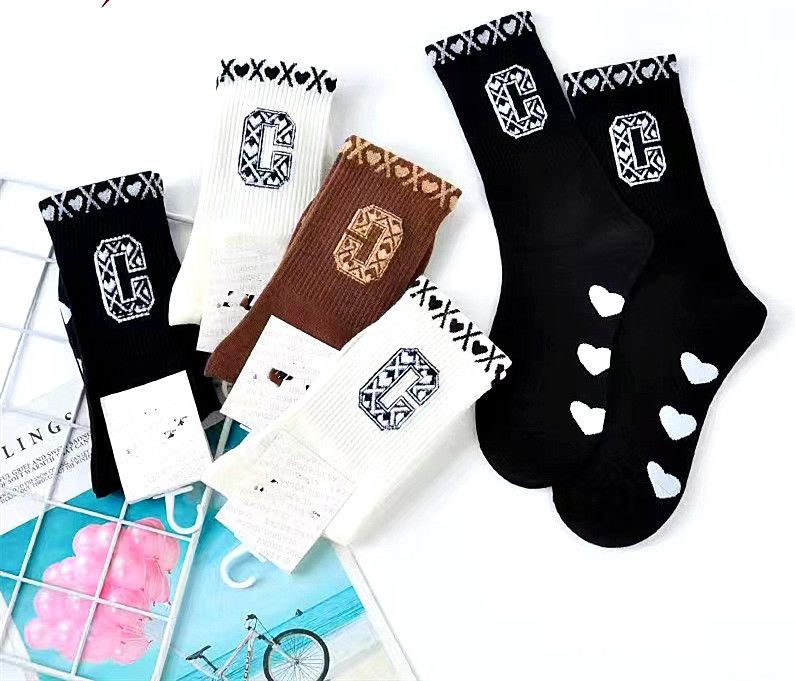
You get these same benefits through cotton sock manufacturing, with yarn and construction tuned to your target price point.
The Skin-Sensitivity Argument The most frequently claimed benefit is that organic cotton is better for sensitive skin. There is a reasonable basis for this: conventional cotton is one of the most pesticide-intensive crops in the world, and finished garments can carry residues. Certification requires limits on those residues and on the chemicals used in dyeing and finishing. For people with contact dermatitis or for baby products, that reduction is a genuine benefit. It is not a medical claim, and brands should not present it as one.
Environmental Benefits With Evidence Behind Them Organic cotton farming avoids synthetic pesticides and fertilisers, uses significantly less water in rain-fed systems, and improves soil health through rotation and composting. These effects are well documented at the farm level. The honest caveat is that organic yields are lower, so more land is required per tonne of fiber — a trade-off that serious sustainability assessments acknowledge rather than hide.
What GOTS Certification Actually Covers The Global Organic Textile Standard is the standard that matters, because it covers the whole chain rather than just the fiber. It sets requirements for fiber origin, for the chemicals permitted in processing, for wastewater treatment, and for social criteria including working conditions and no child labor. A GOTS-certified sock carries a transaction certificate traceable to a specific batch. A sock labelled merely “organic cotton” carries none of that, and is effectively an unverifiable claim.
The Compliance and Marketing Case For brands selling into the EU, and increasingly elsewhere, environmental claims are regulated. Unsubstantiated “organic” or “eco” claims carry real legal risk, and several jurisdictions now require documented evidence. Carrying certification converts a marketing claim into a defensible position. For corporate and uniform tenders with stated sustainability policies, certification is frequently a pass-or-fail requirement rather than a differentiator.
What Does Not Change Performance is essentially identical. Organic cotton has the same staple length, the same absorbency and the same limitations as conventional cotton of equivalent grade. It still needs blending with polyamide and elastane to make a durable sock, and it still pills and wears at the same rate. A brand that buys organic expecting a softer or longer-lasting sock will be disappointed, and should buy a better grade of conventional cotton instead.
Cost and Availability Organic cotton costs more — typically 20 to 40 per cent more for the fiber, plus certification and traceability overhead. Minimum quantities are usually higher, because certified yarn is bought in larger lots. Availability of specific counts and colors can be limited compared with conventional yarn. Plan for longer lead times and less flexibility on shade.
If that is settled, the next question is usually answered in How Are Cotton Socks Made?.
FAQ
Q: Are organic cotton socks softer? A: Not inherently. Softness comes from staple length and combing, both of which are independent of organic status.
Q: What is the difference between “organic cotton” and GOTS-certified? A: GOTS verifies the whole chain and issues traceable documentation. A bare claim does neither.
Q: Do they last longer? A: No. Durability depends on the blend and the construction, not on how the cotton was grown.
Q: Is the premium worthwhile? A: For regulated markets, tender requirements and genuinely sustainability-led brands, yes. For commodity price competition, no.
CONCLUSION
The benefits of organic cotton socks are real but specific: reduced chemical load for sensitive skin, documented environmental practice at farm level, and — most importantly — a certified, traceable supply chain that makes a sustainability claim defensible. What it does not deliver is better performance. Buy it for the chain of custody and the compliance position, and specify the grade separately if softness and durability are what you are really after.
Ready to price this out? Start with a sample from the Sockmader custom sock factory, or send your artwork and target quantity for a quote.
If you are planning your own line, our custom cotton socks program covers sampling, MOQ and lead times in one place.