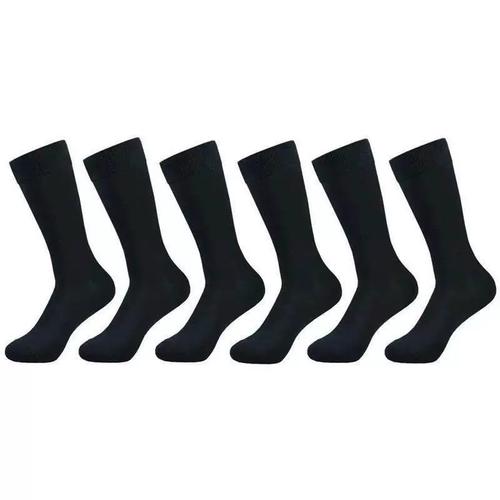
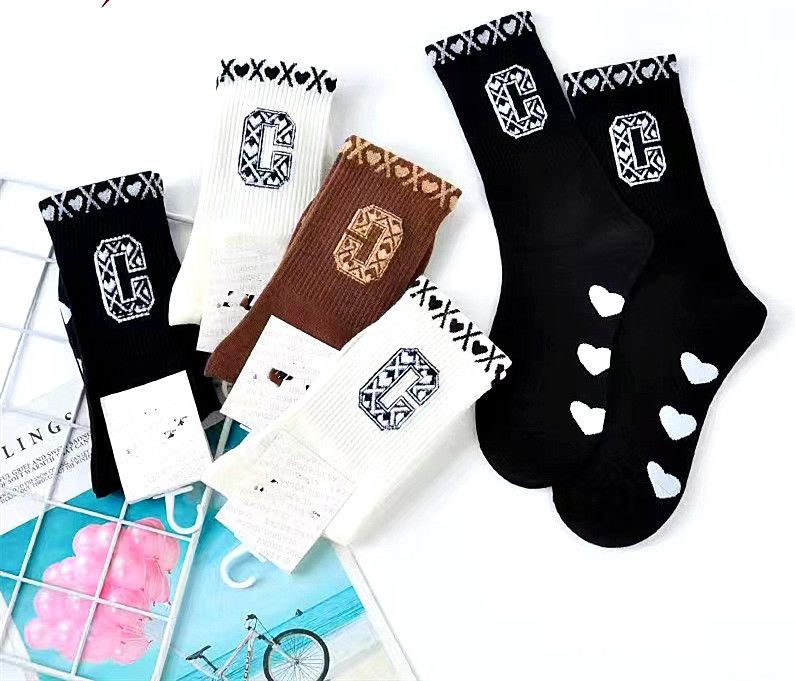
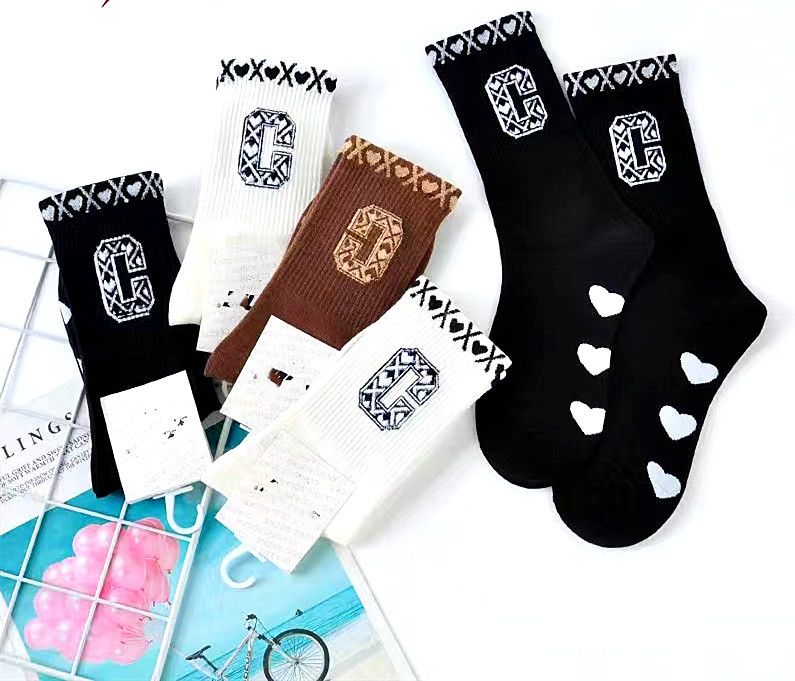
A walk in the park in ordinary socks is fine. Ten kilometres with a loaded pack over uneven ground is a different activity, and the sock is the component that decides whether it ends with a good meal or a plaster. Blisters are caused by shear — layers of skin moving against each other — and shear is caused by friction, moisture and heat. Every benefit a hiking sock offers is a direct attack on one of those three.
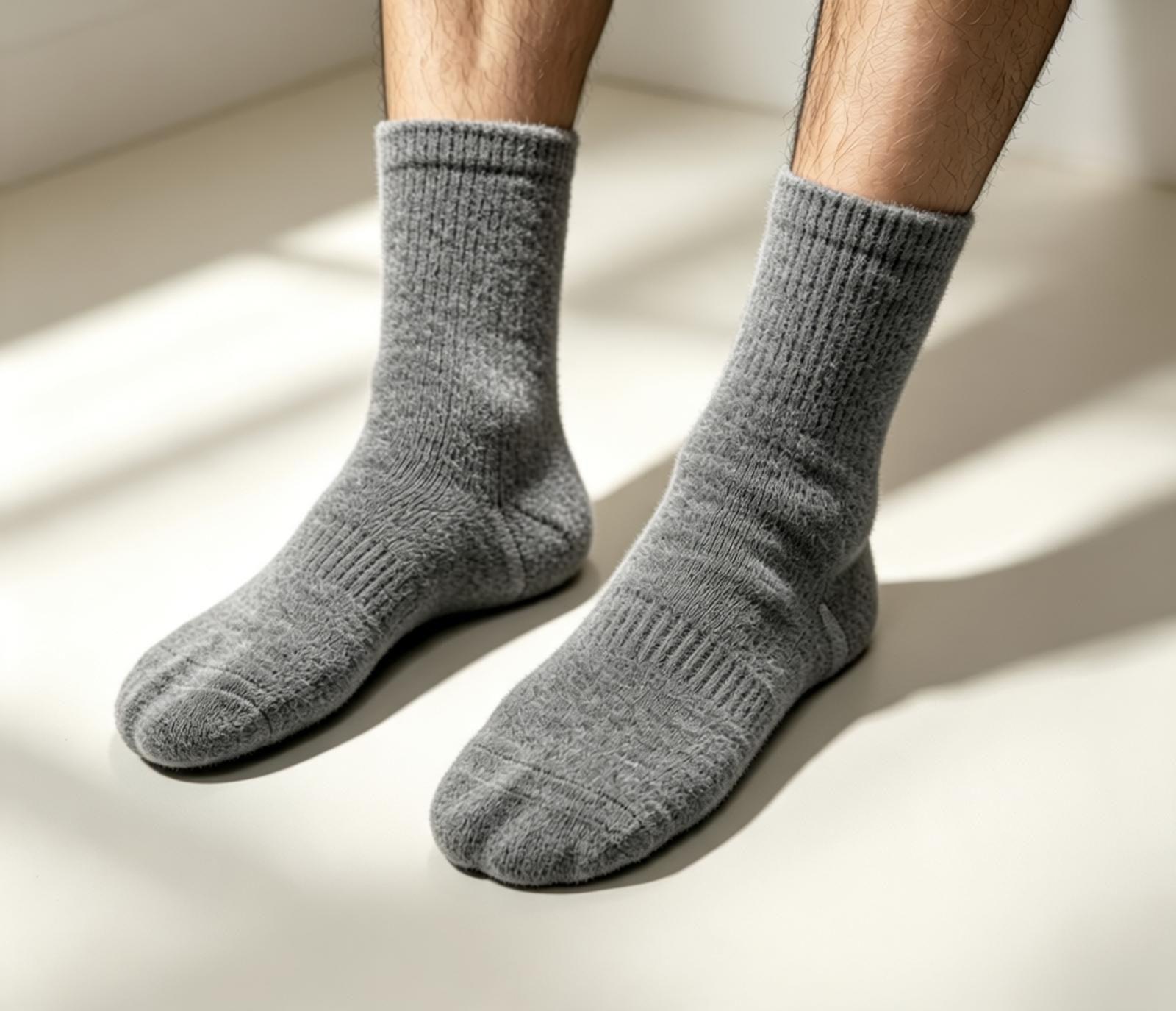
You get these same benefits through wholesale work socks, with yarn and construction tuned to your target price point.
Blister Prevention Through Shear Reduction A hiking sock reduces shear in two ways. First, a close, non-slipping fit means the sock moves with the foot rather than against it, so friction happens at the sock-boot interface instead of the sock-skin interface. Second, a dense, low-pile inner surface lets the foot slide microscopically without dragging skin. This is why fit is more important than thickness: a thick sock that bunches causes more blisters than a thin one that stays put.
Zoned Cushioning Hiking loads the heel on descents and the forefoot on ascents, and it loads both hard when carrying weight. A good hiking sock puts terry cushioning exactly there and nowhere else, leaving the instep and the areas around the ankle thin so heat can escape and the sock stays light. Cushioning weights are usually described as light, medium or heavy; medium suits most day hiking, heavy suits multi-day trips with a loaded pack, and light suits fast-and-light travel in heat.
Moisture Management and Drying Speed Damp feet blister faster and chill faster. Merino wool absorbs moisture vapor into the fiber and keeps insulating when wet, which is why it dominates multi-day hiking. Synthetic blends wick liquid to the outer surface and dry fastest, which suits river crossings and hot climates. Both beat cotton decisively — cotton holds water against the skin, loses all insulating value when wet, and takes hours to dry on the trail.
Temperature Stability Hiking involves large changes in exertion and altitude over a day. A sock that insulates when wet, releases heat when effort rises and keeps the foot warm during a stop is doing real thermal work. Merino is the strongest performer here because it buffers both directions; synthetics manage heat well but insulate poorly when conditions turn. Many hikers carry a second pair specifically to change into at camp, which is the cheapest temperature control available.
Liner Systems and Double-Layer Socks Some hikers wear a thin synthetic liner under a thicker outer sock. The principle is sound: the liner-sock interface absorbs the shear, so skin never takes it. Purpose-built double-layer socks achieve the same thing in one garment with two knitted layers bonded at the cuff. Both work; liners add flexibility, double-layer socks add convenience and eliminate the bunching that plagues a poorly fitted two-sock system.
Height and Debris Protection Hiking socks run from ankle to over-the-calf. Taller socks keep grit, seeds and grass out of the boot and protect the shin against scrub and rock. For trail running and warm-weather day hikes, a crew or mid-calf is usually right. Off-trail, in long grass, or with gaiters, go taller.
We handle the adjacent decision in Work Socks Benefits.
FAQ
Q: Merino or synthetic for hiking?
A: Merino for multi-day and cold, synthetic for heat and fast drying. Blends are a reasonable compromise.
Q: Should hiking socks be thick?
A: Not necessarily. Thickness should match the boot’s internal volume — a compressed sock does not insulate.
Q: Do liner socks help?
A: For people prone to blisters, yes. The liner takes the shear instead of the skin.
Q: How often should they be replaced?
A: When the heel cushioning no longer springs back, typically after 500 to 800 kilometres.
CONCLUSION
A hiking sock earns its place by attacking the three causes of blisters — friction, moisture and heat — with a close fit, zoned cushioning and a yarn that manages water. Match cushioning weight to your load, match height to your terrain, and never wear cotton. That combination turns a long day on the trail from an endurance test into a walk.
To move from plan to order, send artwork, size range and quantity through Sockmader’s custom sock manufacturing team.
When you are ready to source, the custom work socks can quote sampling, MOQ and lead times for your quantity.