Cotton is the world’s default sock fiber for good reasons — it breathes, feels soft and suits sensitive skin. But the benefit only shows up in the right construction, and a cotton sock built the wrong way delivers none of the comfort the material promises. This article covers what cotton socks genuinely deliver, why a combed blend beats pure cotton, and how to judge the difference as a buyer standing in front of a quote.
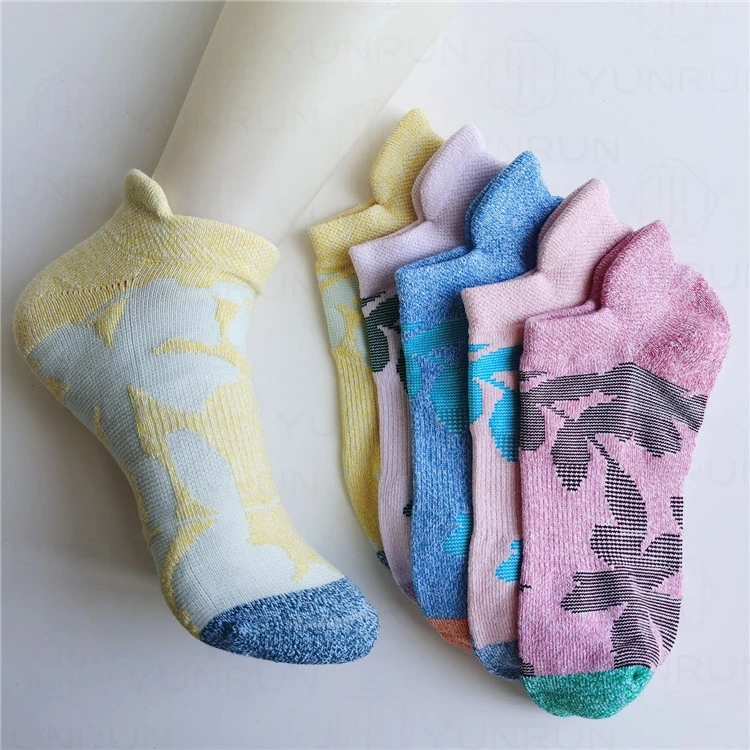
You get these same benefits through custom cotton socks, with yarn and construction tuned to your target price point.
Breathability Cotton fiber is naturally breathable and absorbs vapor, keeping the foot comfortable in moderate conditions. For everyday wear — office, casual, mild weather — cotton blends outperform synthetics on comfort, because they move moisture slowly enough to feel dry but fast enough to avoid clamminess. In high-sweat or athletic use, synthetics wick faster; cotton is an everyday fiber, not a performance one, and marketing it as a running sock is how brands earn avoidable complaints.
Softness and Skin Comfort Combed cotton has few fiber ends poking the skin, so it feels smooth and reduces itch — ideal for sensitive skin and children. Long-staple cotton is softer still, and it holds that softness through more washes because the fibers are less prone to breaking. This is why cotton dominates the everyday and kids segments: the comfort is immediate, perceptible and not dependent on a chemical finish that washes away.
The Pure-Cotton Trap Pure cotton socks stretch out, pill and wear thin at the heel because cotton has low elasticity and poor abrasion resistance. The fix is a blend: 70–80% combed cotton plus polyamide for wear and elastane for shape. The cotton delivers the feel; the blend delivers the life. A “100% cotton” label sounds premium to a shopper and is a defect to a wearer, which is the gap that honest product copy should close rather than exploit.
Everyday Durability A combed cotton blend with a reinforced heel and toe lasts far longer than pure cotton and stays shaped through the wash. The failure mode of cheap cotton socks is thinning at the sole, not tearing — and a thin sole reads as “old” fast, so the perceived life is even shorter than the actual one. Reinforcement at the wear zones is what keeps the sock looking as good as it feels.
Care and Hygiene Cotton blends wash easily at 40°C and tolerate frequent laundering better than wool, which makes them the low-maintenance everyday choice: machine-wash, tumble-dry low, wear. They also take dye well and hold shade with a locked master, which matters for white and for the core neutrals that anchor a line. For households and uniforms where laundry is constant, that durability of appearance is as valuable as the comfort.
Where Cotton Falls Short Cotton is not the answer to every sock job, and knowing its limits protects a brand’s reputation. In high-sweat sport, cotton holds moisture and stays wet, so synthetics and merino win. In cold or wet conditions, cotton insulates poorly once damp, which is why boot and hiking lines exclude it. And in heavy-abrasion work, cotton alone wears through fast without a polyamide or aramid plate. Use cotton for its strengths — everyday comfort, breathability and easy care — and spec a different fiber where the use demands it.
We go deeper on How Are Organic Cotton Socks Made? in a separate guide.
FAQ
Q: Are cotton socks good for sensitive skin? A: Yes — combed cotton is smooth and low-itch; ideal for kids and for anyone who reacts to wool.
Q: Pure cotton or blend? A: Blend — pure cotton loses shape and pills; the blend keeps the feel and adds real life.
Q: Cotton or synthetic for daily wear? A: Cotton blend for comfort and breathability; synthetic only for high-sweat or athletic use.
CONCLUSION
Cotton socks earn their place through breathability, softness and easy care — but only as a combed blend with reinforced wear zones. Keep the cotton for feel, add polyamide and elastane for life, and the everyday sock does its quiet job well enough to be reordered year after year.
When you are ready to produce, Sockmader covers sampling, MOQ and lead times in one place.
Start your next order with custom cotton socks from Sockmader — send artwork, size range and target quantity for a quote.